

Więcej o książce
This best seller breaks new ground by demonstrating how mainstream psychoanalytic theory has evolved into a psychoanalytic developmental object relations theory. The authors summarize the contributions of the major ego psychologists from Freud to the contemporary theorists, including the new findings of the child observationalists. By integrating these several contributions, the authors are able to show that classical psychoanalysis and ego psychology combine to form a unified theory that provides a more profound understanding of the borderline and narcissistic conditions as well as of the neuroses. From this comprehensive synthesis of theory the authors derive techniques for the treatment of the more troubled patient and expand the classical technique for the psychoanalysis of neurosis. Recognizing that there are preoedipal developmental problems even in neurotic patients and that there are oedipal issues in the borderline and narcissistic patients, the authors demonstrate the applicability of developmental object realtions theory across the diagnostic spectrum and include a new chapter on termination. Using numerous case illustrations from their own practice, the Blancks have constructed an extraordinarily comprehensive and readable text that updates psychoanalytic theory for the nineties.


Zakup książki
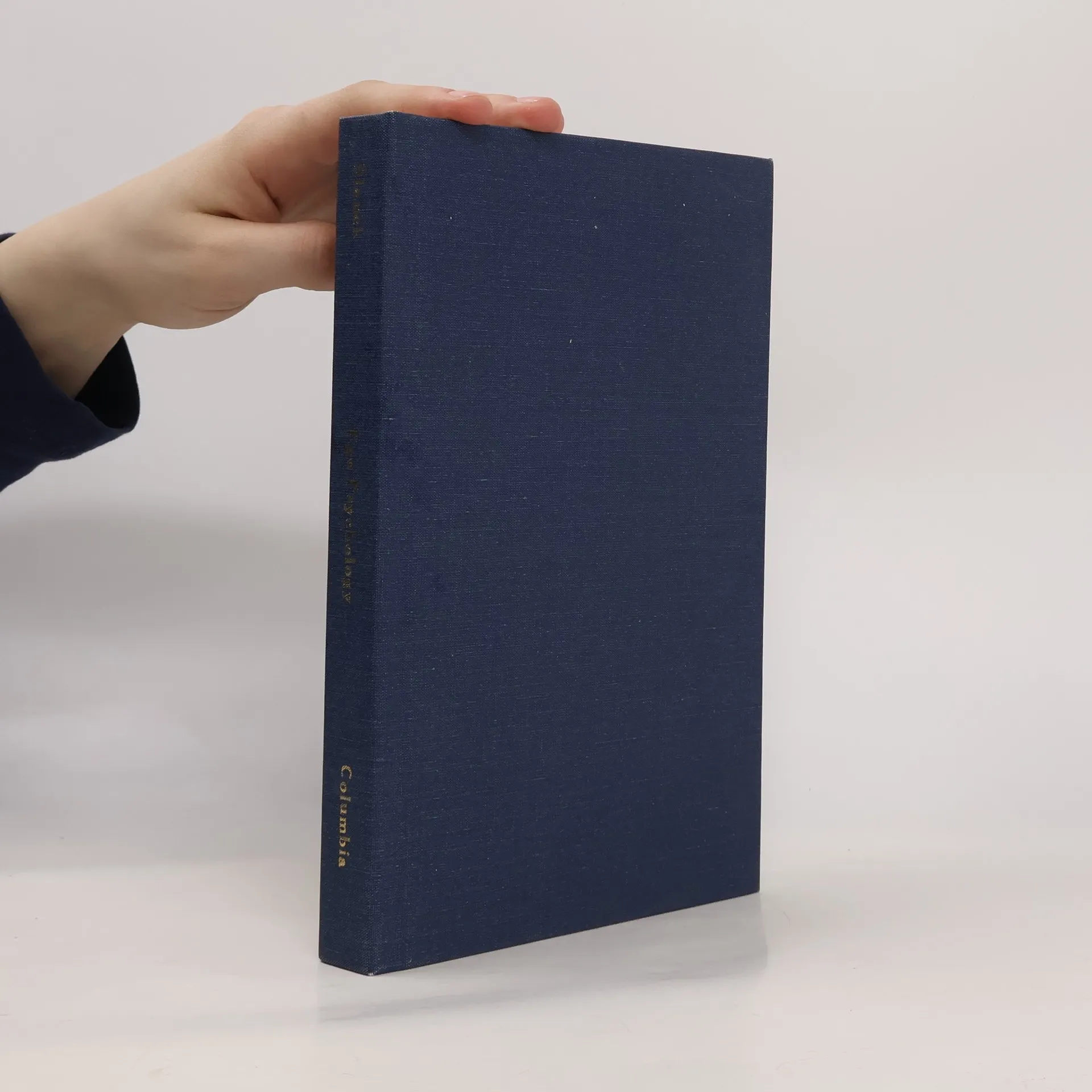
Ego Psychology, Gertrude Blanck, Rubin Blanck
- Język

- Rok wydania
- 1994
- Oprawa
- (twarda)
Metody płatności
Brakuje nam tutaj Twojej recenzji.
- Tytuł
- Ego Psychology
- Język
- angielski
- Autorzy
- Gertrude Blanck, Rubin Blanck
- Wydawca
- Columbia University Press
- Rok wydania
- 1994
- Oprawa
- twarda
- Liczba stron
- 322
- ISBN10
- 0231082924
- ISBN13
- 9780231082921
- Seria
- Tagi
- Psychoterapia, Psychoanaliza, Ego
- Ocena
- 3,6 z 5
- Opis
- This best seller breaks new ground by demonstrating how mainstream psychoanalytic theory has evolved into a psychoanalytic developmental object relations theory. The authors summarize the contributions of the major ego psychologists from Freud to the contemporary theorists, including the new findings of the child observationalists. By integrating these several contributions, the authors are able to show that classical psychoanalysis and ego psychology combine to form a unified theory that provides a more profound understanding of the borderline and narcissistic conditions as well as of the neuroses. From this comprehensive synthesis of theory the authors derive techniques for the treatment of the more troubled patient and expand the classical technique for the psychoanalysis of neurosis. Recognizing that there are preoedipal developmental problems even in neurotic patients and that there are oedipal issues in the borderline and narcissistic patients, the authors demonstrate the applicability of developmental object realtions theory across the diagnostic spectrum and include a new chapter on termination. Using numerous case illustrations from their own practice, the Blancks have constructed an extraordinarily comprehensive and readable text that updates psychoanalytic theory for the nineties.