

Parametry
- 208 stron
- 8 godzin czytania
Więcej o książce
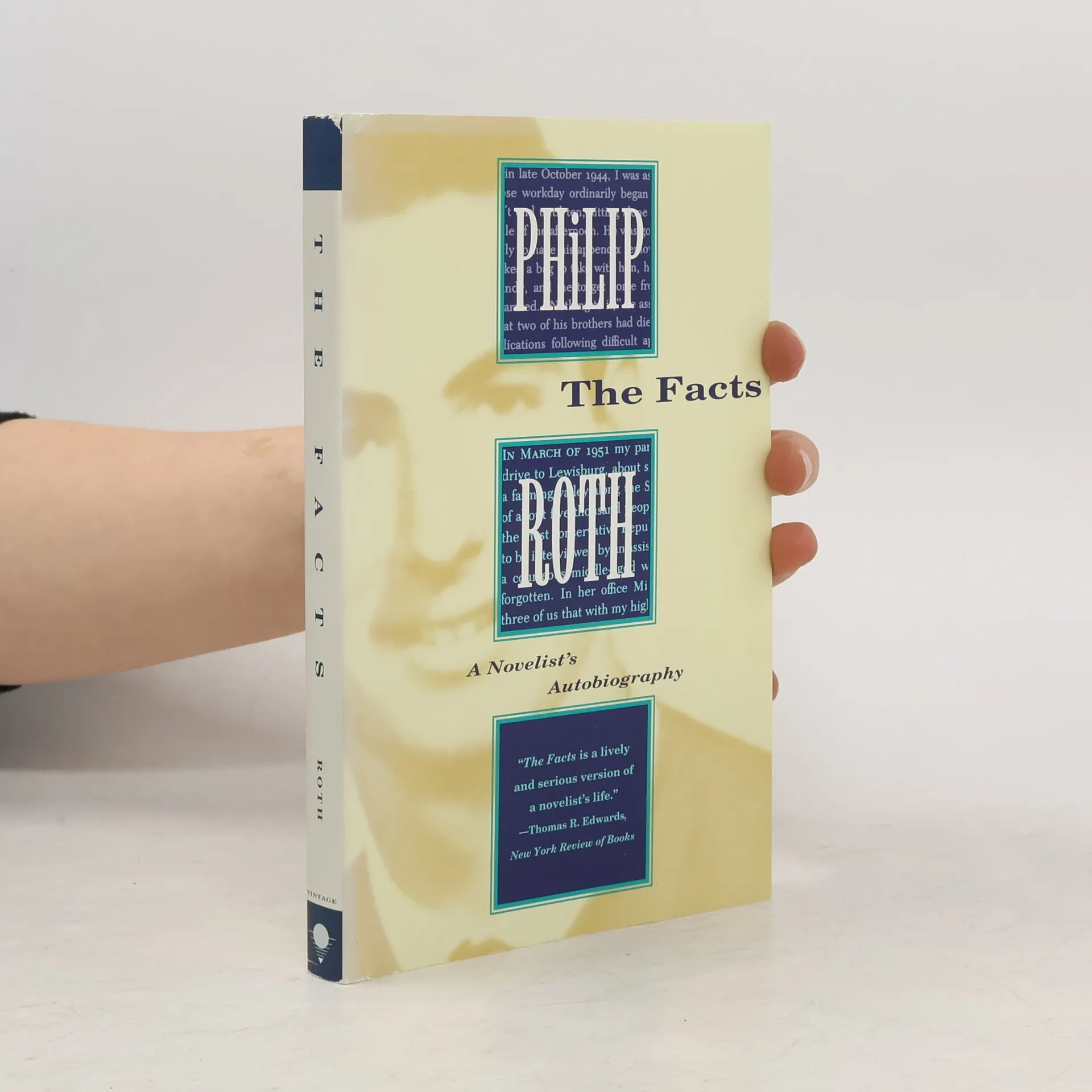
The unconventional autobiography of the Pulitzer Prize–winnning, bestselling author—"the most vigorous and truthful of American writers" ( Newsday )—who reshaped our idea of fiction. A work of compelling candor and inventiveness, instructive particularly in its revelation of the interplay between life and art.Philip Roth concentrates on five episodes from his his secure city childhood in the thirties and forties; his education in American life at a conventional college; his passionate entanglement, as an ambitious young man, with the angriest person he ever met (the "girl of my dreams" Roth calls her); his clash, as a fledgling writer, with a Jewish establishment outraged by Goodbye, Columbus; and his discovery, in the excesses of the sixties, of an unmined side to his talent that led him to write Portnoy's Complaint.The book concludes surprisingly—in true Rothian fashion—with a sustained assault by the novelist against his proficiencies as an autobiographer.


Zakup książki
The Facts, Philip Roth
- Język

- Rok wydania
- 1997
- Oprawa
- (miękka)
Metody płatności
Brakuje nam tutaj Twojej recenzji.
- Tytuł
- The Facts
- Podtytuł
- A Novelist's Autobiography
- Język
- angielski
- Autorzy
- Philip Roth
- Rok wydania
- 1997
- Oprawa
- miękka
- Liczba stron
- 208
- ISBN10
- 0679749055
- ISBN13
- 9780679749059
- Seria
- Kategorie
- Ocena
- 3,65 z 5
- Opis
- The unconventional autobiography of the Pulitzer Prize–winnning, bestselling author—"the most vigorous and truthful of American writers" ( Newsday )—who reshaped our idea of fiction. A work of compelling candor and inventiveness, instructive particularly in its revelation of the interplay between life and art.Philip Roth concentrates on five episodes from his his secure city childhood in the thirties and forties; his education in American life at a conventional college; his passionate entanglement, as an ambitious young man, with the angriest person he ever met (the "girl of my dreams" Roth calls her); his clash, as a fledgling writer, with a Jewish establishment outraged by Goodbye, Columbus; and his discovery, in the excesses of the sixties, of an unmined side to his talent that led him to write Portnoy's Complaint.The book concludes surprisingly—in true Rothian fashion—with a sustained assault by the novelist against his proficiencies as an autobiographer.