

Parametry
- 336 stron
- 12 godzin czytania
Więcej o książce
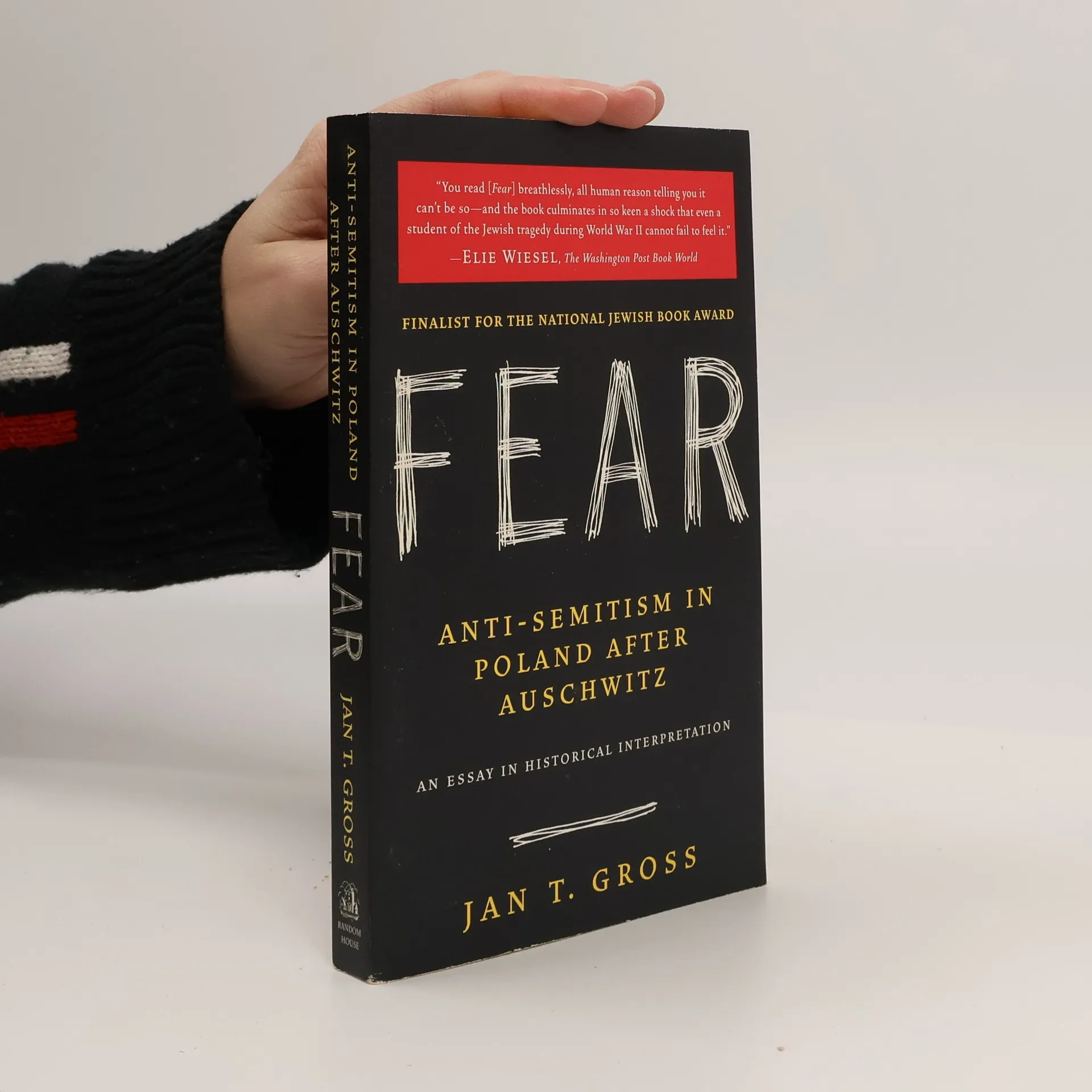
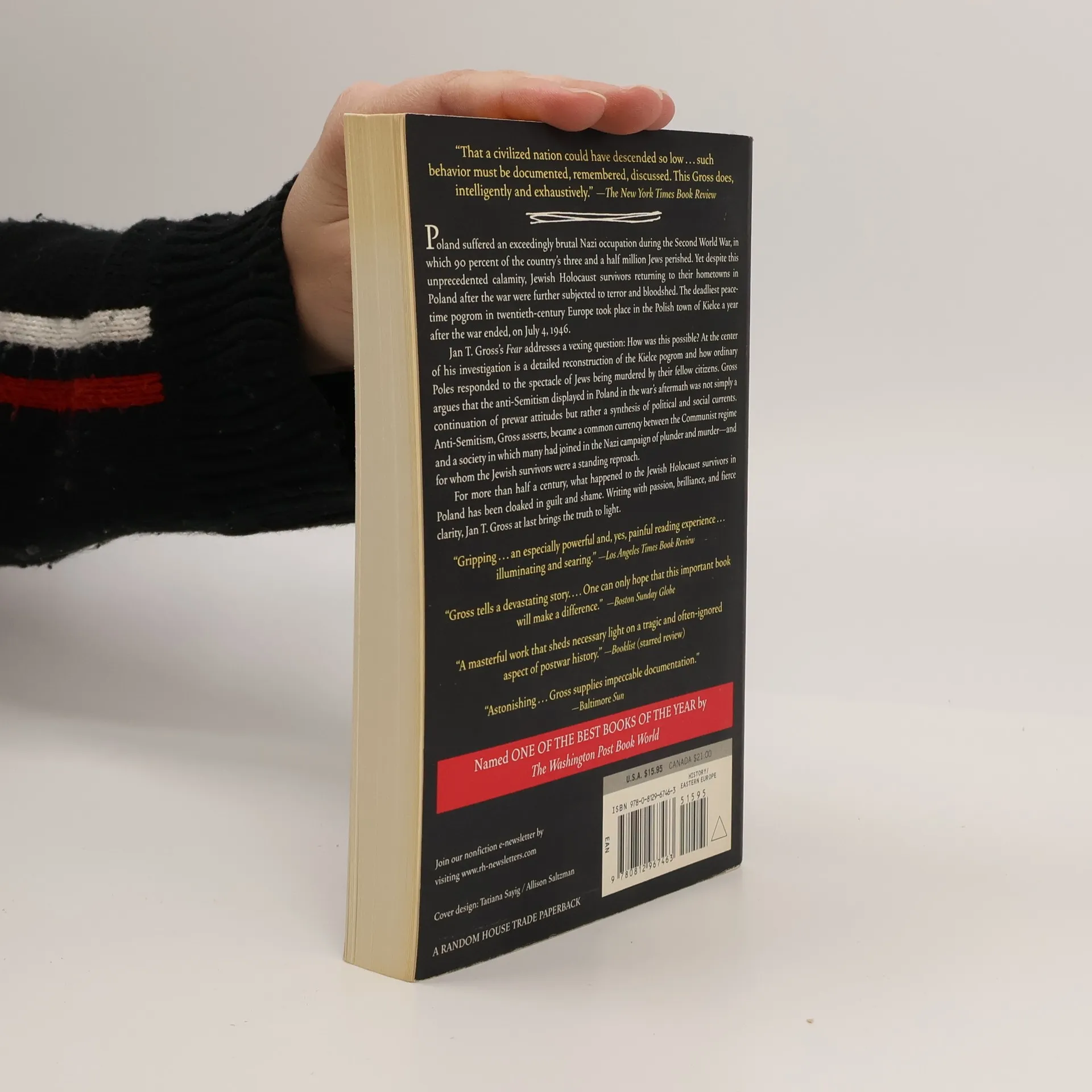
Poland endured a brutal Nazi occupation during World War II, resulting in the deaths of nearly five million citizens, including over three million Polish Jews—more than 90 percent of whom perished in the Holocaust. After the war, Jewish survivors returning to their hometowns faced hostility and violence, culminating in the Kielce pogrom on July 4, 1946, the bloodiest peacetime pogrom in twentieth-century Europe. Jan Gross’s investigation seeks to understand the persistence of anti-Semitism in post-war Poland, focusing on the Kielce pogrom and its societal reactions. He explores how the Polish Catholic Church, Communist party workers, and intellectuals responded to the murder of Jews by their fellow citizens in a country recently liberated from Nazi occupation. Gross argues that the anti-Semitism of this period cannot be seen merely as a continuation of prewar attitudes; it was shaped by the Holocaust and the Communist takeover, creating a shared animosity between the regime and a society complicit in Nazi atrocities. Contrary to popular belief, Jews did not bring communism to Poland; instead, they were expelled under the Communist regime for political expediency. Gross’s work confronts the guilt and shame surrounding the treatment of Jewish survivors, shedding light on a dark chapter of Polish history.
Zakup książki
Fear, Jan Tomasz Gross
- Język

- Rok wydania
- 2007
- Oprawa
- (miękka)
Metody płatności
Brakuje nam tutaj Twojej recenzji.
- Tytuł
- Fear
- Podtytuł
- Anti-Semitism in Poland After Auschwitz
- Język
- angielski
- Autorzy
- Jan Tomasz Gross
- Rok wydania
- 2007
- Oprawa
- miękka
- Liczba stron
- 336
- ISBN10
- 0812967461
- ISBN13
- 9780812967463
- Seria
- Kategorie
- Ocena
- 3,75 z 5
- Opis
- Poland endured a brutal Nazi occupation during World War II, resulting in the deaths of nearly five million citizens, including over three million Polish Jews—more than 90 percent of whom perished in the Holocaust. After the war, Jewish survivors returning to their hometowns faced hostility and violence, culminating in the Kielce pogrom on July 4, 1946, the bloodiest peacetime pogrom in twentieth-century Europe. Jan Gross’s investigation seeks to understand the persistence of anti-Semitism in post-war Poland, focusing on the Kielce pogrom and its societal reactions. He explores how the Polish Catholic Church, Communist party workers, and intellectuals responded to the murder of Jews by their fellow citizens in a country recently liberated from Nazi occupation. Gross argues that the anti-Semitism of this period cannot be seen merely as a continuation of prewar attitudes; it was shaped by the Holocaust and the Communist takeover, creating a shared animosity between the regime and a society complicit in Nazi atrocities. Contrary to popular belief, Jews did not bring communism to Poland; instead, they were expelled under the Communist regime for political expediency. Gross’s work confronts the guilt and shame surrounding the treatment of Jewish survivors, shedding light on a dark chapter of Polish history.