



Ocena książki
Parametry
- 288 stron
- 11 godzin czytania
Więcej o książce
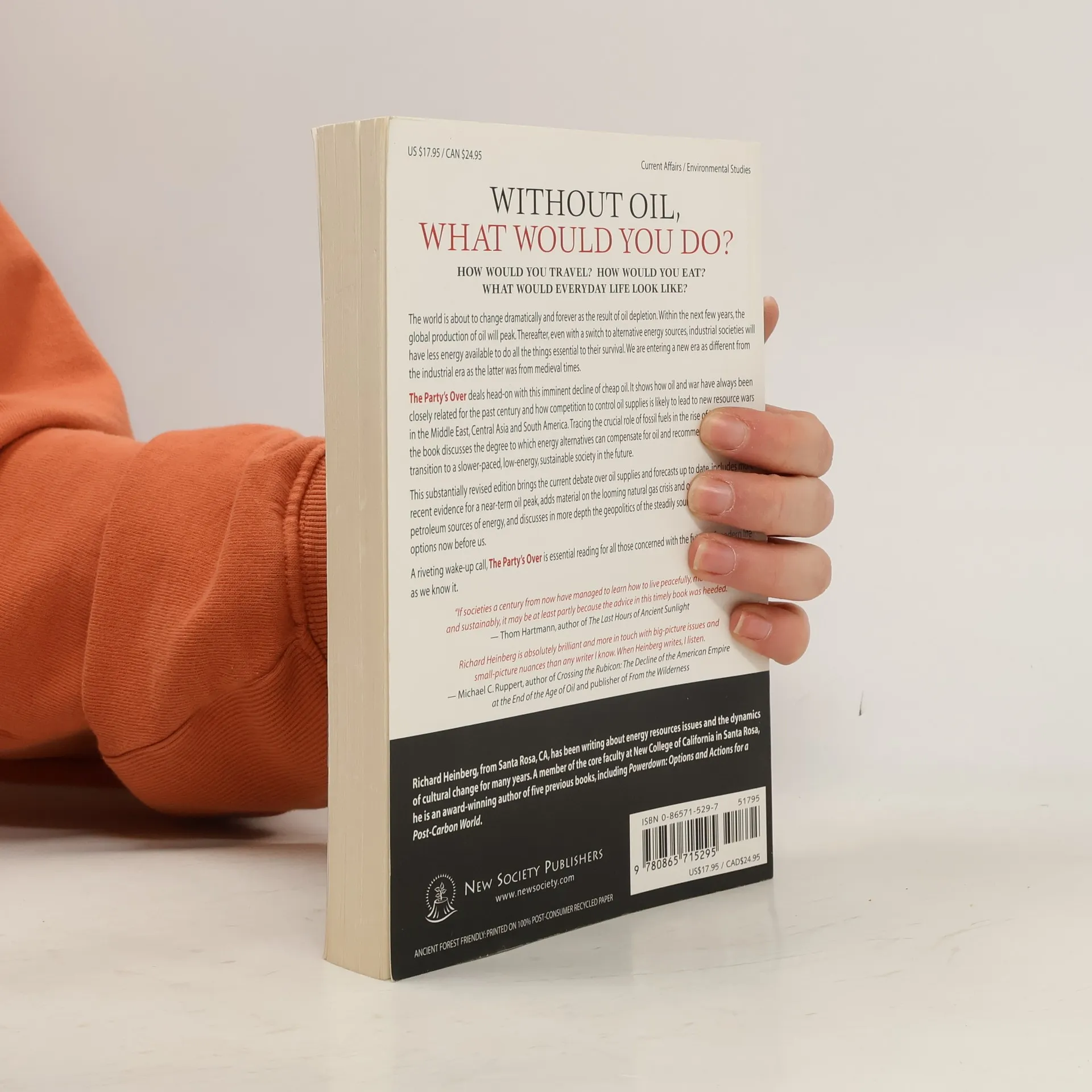
The world is on the brink of a significant shift as cheap oil runs out and global production peaks in the coming years. Even with a transition to alternative energy sources, industrial societies will face diminishing net energy, impacting their ability to function. This marks the beginning of a new era, distinct from the industrial age, as Richard Heinberg explores in his work. He contextualizes this transition by tracing the rise of industrialism through fossil fuel use and examining how competition for oil influenced twentieth-century geopolitics. The struggle for dwindling energy resources is expected to spark resource wars in regions like the Middle East and Central Asia. Heinberg discusses the consequences of oil depletion and evaluates various energy alternatives. He warns of chaos unless the United States collaborates globally on resource conservation and sharing. He advocates for a "managed collapse" to facilitate a sustainable, low-energy future. His engaging narrative provides a comprehensive look at the social implications of these changes and offers actionable recommendations for individuals and communities. Heinberg, an experienced writer on energy issues and cultural dynamics, serves as a crucial voice in understanding the implications of the declining oil era and its influence on U.S. foreign policy.

Zakup książki
The Party's Over, Richard Heinberg
- Język

- Rok wydania
- 2005
- Oprawa
- (miękka)
Metody płatności
Brakuje nam tutaj Twojej recenzji.
- Tytuł
- The Party's Over
- Podtytuł
- Oil, War and the Fate of Industrial Societies - Revised and Updated Edition
- Język
- angielski
- Autorzy
- Richard Heinberg
- Wydawca
- New Society Publishers
- Rok wydania
- 2005
- Oprawa
- miękka
- Liczba stron
- 288
- ISBN10
- 0865715297
- ISBN13
- 9780865715295
- Seria
- Kategorie
- Oryginalna nazwa
- The party's over
- Ocena
- 4,05 z 5
- Opis
- The world is on the brink of a significant shift as cheap oil runs out and global production peaks in the coming years. Even with a transition to alternative energy sources, industrial societies will face diminishing net energy, impacting their ability to function. This marks the beginning of a new era, distinct from the industrial age, as Richard Heinberg explores in his work. He contextualizes this transition by tracing the rise of industrialism through fossil fuel use and examining how competition for oil influenced twentieth-century geopolitics. The struggle for dwindling energy resources is expected to spark resource wars in regions like the Middle East and Central Asia. Heinberg discusses the consequences of oil depletion and evaluates various energy alternatives. He warns of chaos unless the United States collaborates globally on resource conservation and sharing. He advocates for a "managed collapse" to facilitate a sustainable, low-energy future. His engaging narrative provides a comprehensive look at the social implications of these changes and offers actionable recommendations for individuals and communities. Heinberg, an experienced writer on energy issues and cultural dynamics, serves as a crucial voice in understanding the implications of the declining oil era and its influence on U.S. foreign policy.