

Parametry
- 222 strony
- 8 godzin czytania
Więcej o książce
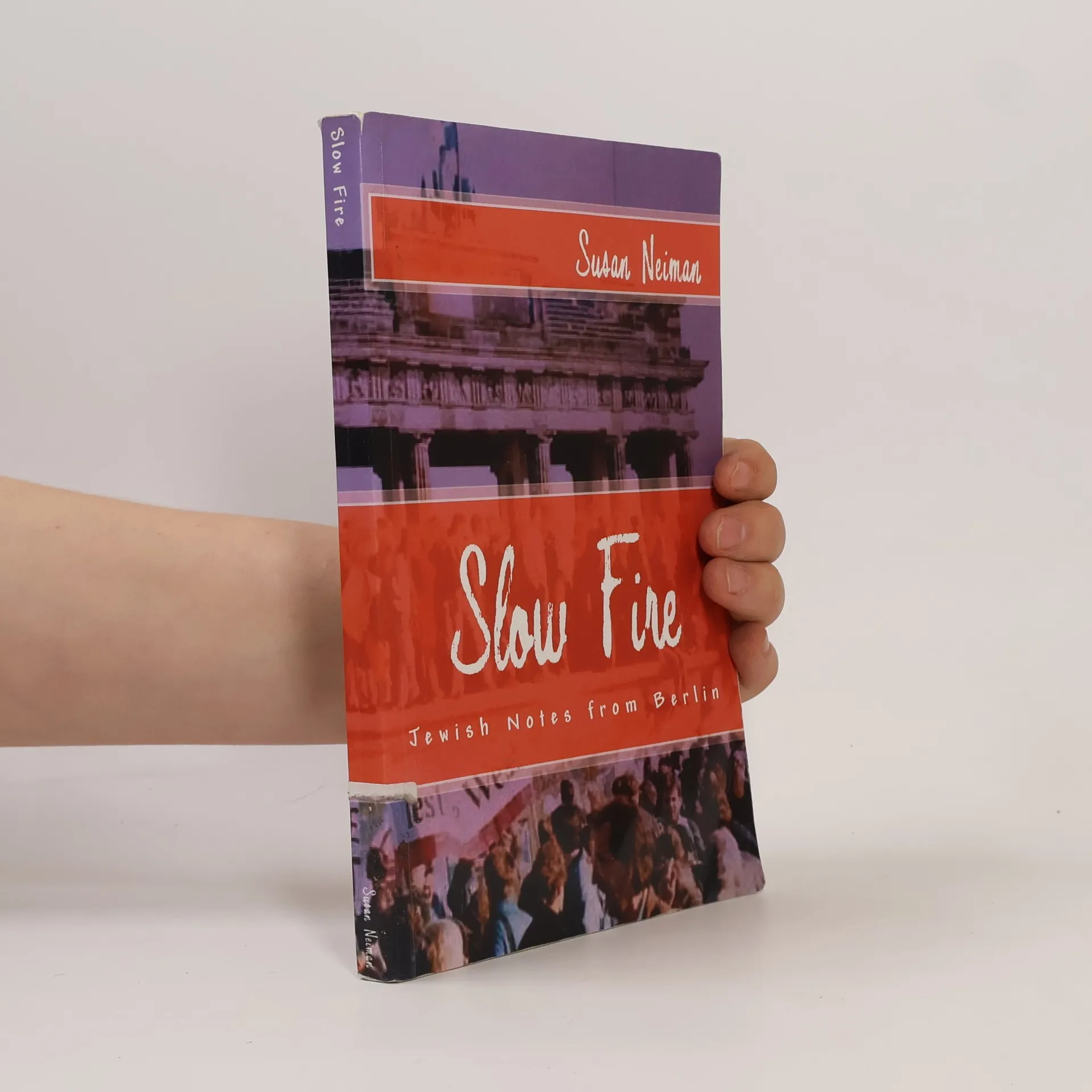
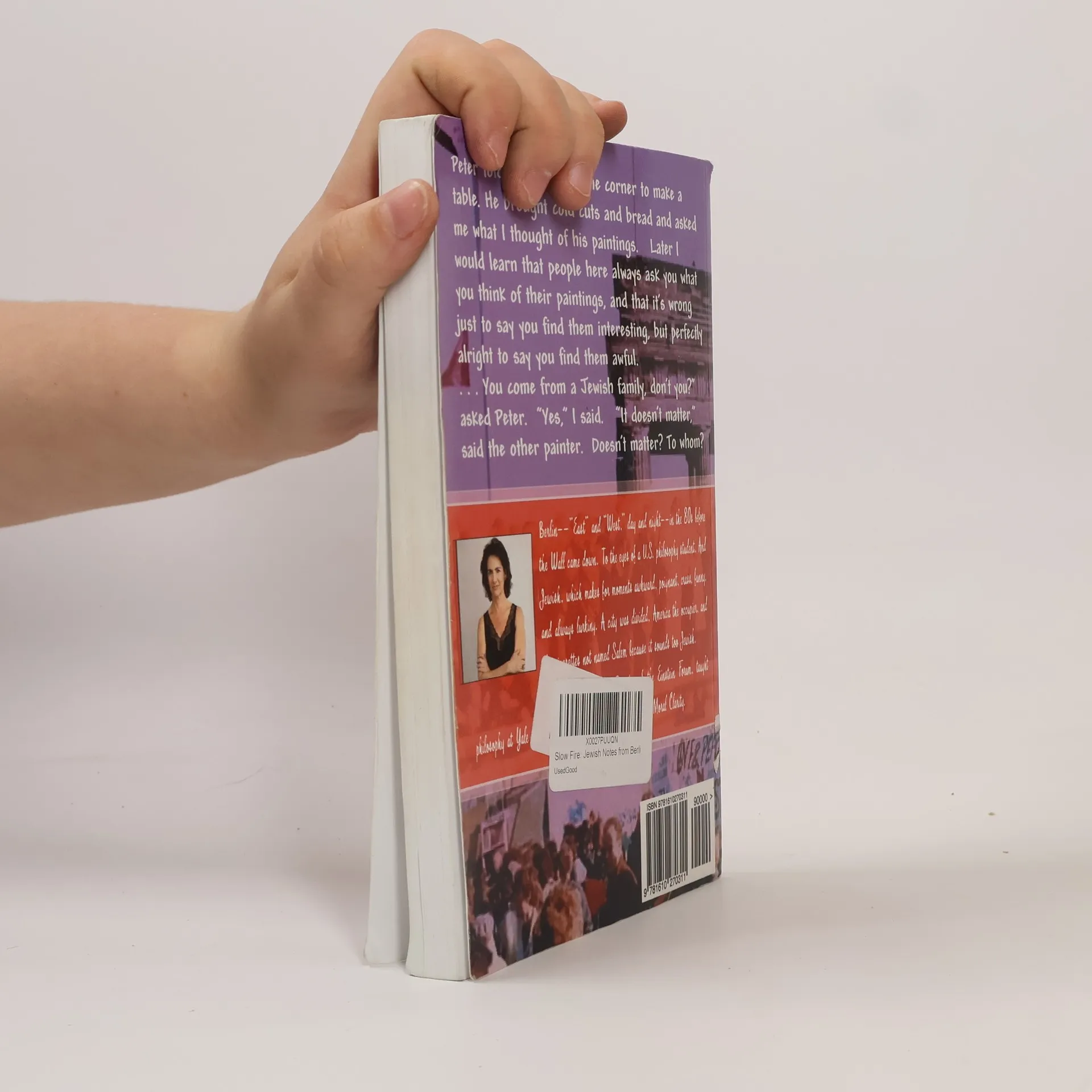
Berlin--"East" and "West," day and of course night--throughout the 80s before the Wall came down. In the eyes of an American philosophy student. And Jewish, which makes for moments at once awkward, poignant, resonant, unspoken, crass, funny, and always lurking. Most of all, Susan Neiman can write, as borne out again by her books to follow this debut. Here, we live the Reagan years with her--when a city was divided, America the occupier, and the cigarettes not named "Salem" because it sounds too Jewish. Peter Becker folded an easel in the corner to make a table. He brought cold cuts and bread and asked me what I thought of his paintings. Later I would learn that people here always ask you what you think of their paintings, and that it's wrong just to say you find them interesting, but perfectly alright to say you find them awful. . . . You come from a Jewish family, don't you?" asked Becker. "Yes," I said. "It doesn't matter," said the other painter. Doesn't matter? To whom?


Zakup książki
Slow Fire, Susan Neiman
- Język

- Rok wydania
- 2010
- Oprawa
- (miękka),
- Stan książki
- Dobry
- Cena
- 5,89 zł
Metody płatności
Brakuje nam tutaj Twojej recenzji.
- Tytuł
- Slow Fire
- Podtytuł
- Jewish Notes from Berlin
- Język
- angielski
- Autorzy
- Susan Neiman
- Wydawca
- Quid Pro, LLC
- Rok wydania
- 2010
- Oprawa
- miękka
- Liczba stron
- 222
- ISBN10
- 1610270312
- ISBN13
- 9781610270311
- Seria
- Kategorie
- Tagi
- Tematy historyczne, Tematy religijne, Niemcy, USA, II Wojna Światowa, Europa, Berlin, Historia Europy, Żydzi, Judaica, Historia Niemiec, Literatura Żydowska, Historia społeczna
- Ocena
- 4,45 z 5
- Opis
- Berlin--"East" and "West," day and of course night--throughout the 80s before the Wall came down. In the eyes of an American philosophy student. And Jewish, which makes for moments at once awkward, poignant, resonant, unspoken, crass, funny, and always lurking. Most of all, Susan Neiman can write, as borne out again by her books to follow this debut. Here, we live the Reagan years with her--when a city was divided, America the occupier, and the cigarettes not named "Salem" because it sounds too Jewish. Peter Becker folded an easel in the corner to make a table. He brought cold cuts and bread and asked me what I thought of his paintings. Later I would learn that people here always ask you what you think of their paintings, and that it's wrong just to say you find them interesting, but perfectly alright to say you find them awful. . . . You come from a Jewish family, don't you?" asked Becker. "Yes," I said. "It doesn't matter," said the other painter. Doesn't matter? To whom?