

Więcej o książce
Jürgen Habermas is a prominent and influential European philosopher, known for over thirty years of significant contributions to various fields, including society, knowledge, history, and ethics. He is a key figure in Germany, often engaging in public debates and addressing the profound changes occurring in Germany, Europe, and globally. This collection of interviews showcases Habermas's deep involvement with contemporary issues, covering critical topics of the 1990s such as German unification, debates on German history, asylum policies, the Nazi era, and efforts toward a peaceful Europe, as well as the implications of the Persian Gulf War. A concluding interview explores the relationship between theory and practice, highlighting the connection between philosophy and real-world issues. In the afterword, Habermas discusses a range of challenges facing Germany and other nations as the century draws to a close. Translated and annotated by Max Pensky, a philosophy professor at the State University of New York-Binghamton, this volume offers a compelling portrait of an intellectual adept in both academic philosophy and public discourse, bridging the gap between the two realms.

Zakup książki
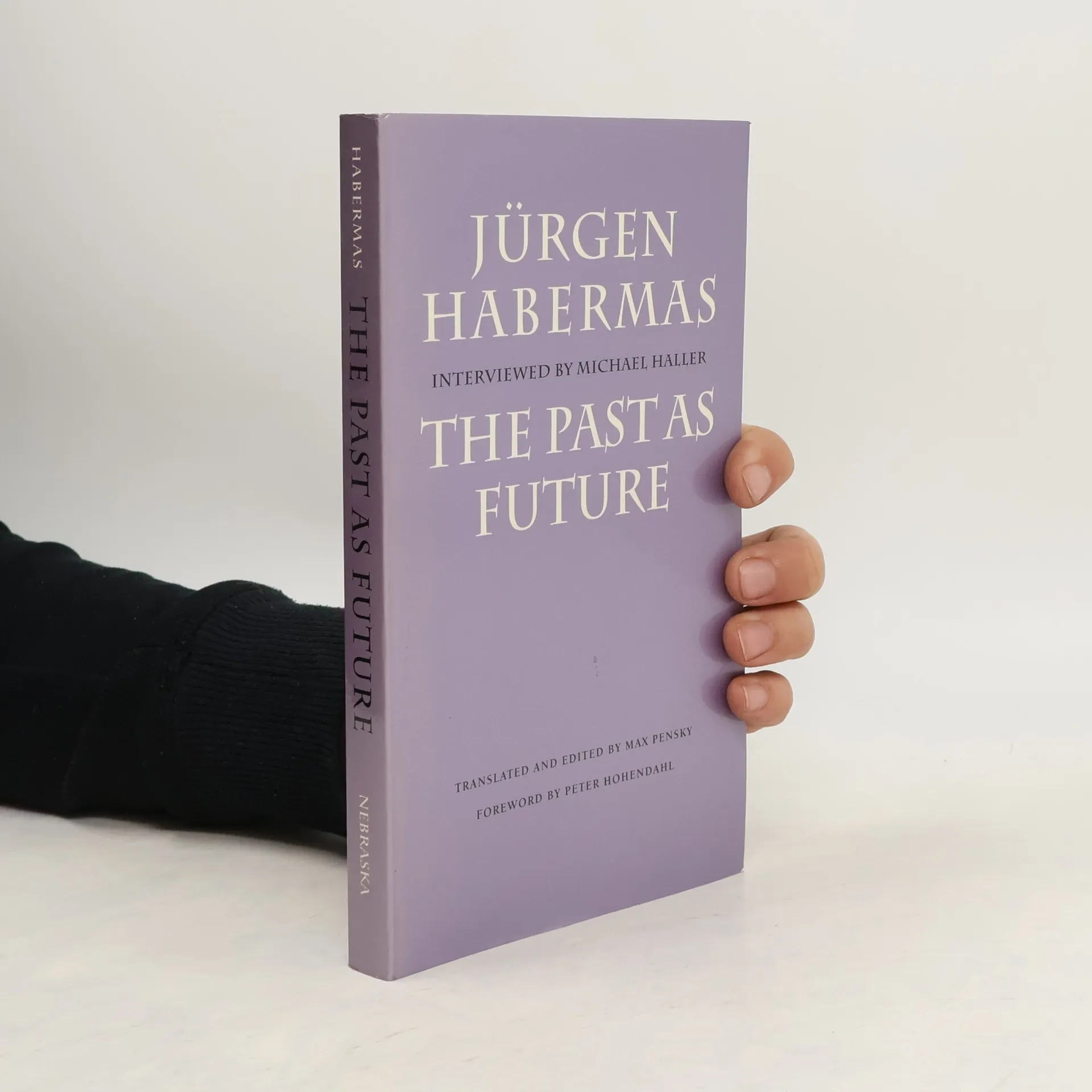
The Past as Future (Vergangenheit als Zukunft), Jürgen Habermas, Michael Haller, Max Pensky, Peter Uwe Hohendahl
- Język

- Rok wydania
- 1994
- Oprawa
- (miękka)
Metody płatności
Brakuje nam tutaj Twojej recenzji.
- Tytuł
- The Past as Future (Vergangenheit als Zukunft)
- Język
- angielski
- Wydawca
- University of Nebraska Press
- Rok wydania
- 1994
- Oprawa
- miękka
- Liczba stron
- 187
- ISBN10
- 0803272669
- ISBN13
- 9780803272668
- Seria
- Ocena
- 4 z 5
- Opis
- Jürgen Habermas is a prominent and influential European philosopher, known for over thirty years of significant contributions to various fields, including society, knowledge, history, and ethics. He is a key figure in Germany, often engaging in public debates and addressing the profound changes occurring in Germany, Europe, and globally. This collection of interviews showcases Habermas's deep involvement with contemporary issues, covering critical topics of the 1990s such as German unification, debates on German history, asylum policies, the Nazi era, and efforts toward a peaceful Europe, as well as the implications of the Persian Gulf War. A concluding interview explores the relationship between theory and practice, highlighting the connection between philosophy and real-world issues. In the afterword, Habermas discusses a range of challenges facing Germany and other nations as the century draws to a close. Translated and annotated by Max Pensky, a philosophy professor at the State University of New York-Binghamton, this volume offers a compelling portrait of an intellectual adept in both academic philosophy and public discourse, bridging the gap between the two realms.