



Więcej o książce
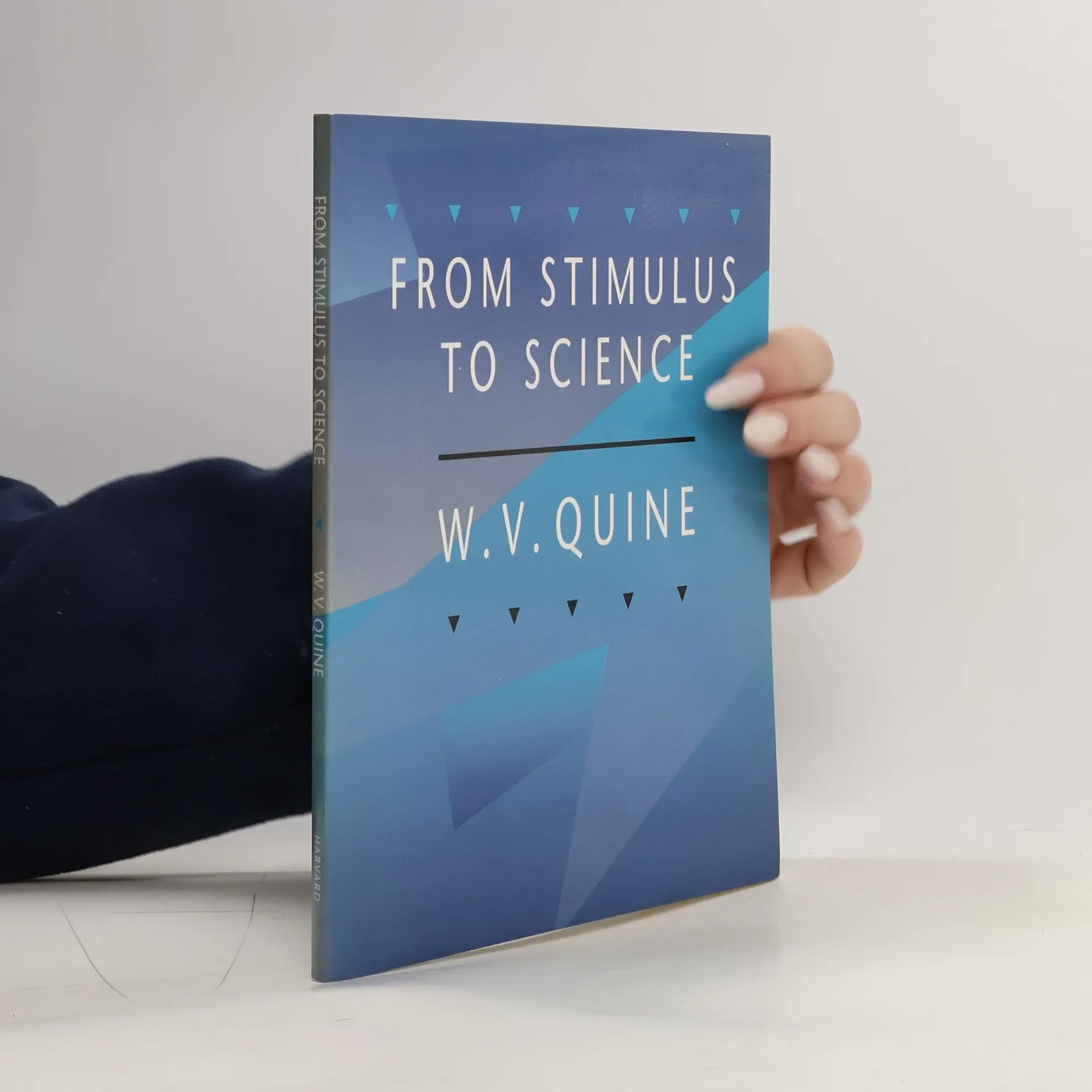
W. V. Quine, a leading philosopher, presents a concise and engaging exploration of his philosophical ideas in this book, which encapsulates his epistemological views, particularly regarding logic and mathematics. New readers may need to take their time to appreciate the depth of insight that seasoned readers recognize in his writing. The book, based on lectures from 1990, begins with a historical overview of philosophy, tracing the evolution of epistemology from Plato to Carnap, highlighting Quine's alignment with Carnap's ambitions. Subsequent chapters delve into Quine's effort to naturalize epistemology, focusing on the continuity between his work and Carnap's. He discusses the naturalistic development of science and how our conceptual frameworks evolve to perceive the world as comprising re-identifiable objects. Quine emphasizes the importance of observation sentences for evaluating scientific theories and expresses skepticism about establishing a definitive empirical criterion for meaningfulness. The latter sections address various critical issues surrounding knowledge, culminating in an in-depth examination of his perspectives on reference, meaning, and psychological and modal concepts. The distinctive presentation and nuanced details will captivate those familiar with Quine's philosophy.

Zakup książki
From Stimulus to Science, W. V. Quine
- Język

- Rok wydania
- 1998
- Oprawa
- (miękka)
Metody płatności
Brakuje nam tutaj Twojej recenzji.
- Tytuł
- From Stimulus to Science
- Język
- angielski
- Autorzy
- W. V. Quine
- Wydawca
- Harvard University Press
- Rok wydania
- 1998
- Oprawa
- miękka
- Liczba stron
- 124
- ISBN10
- 0674326369
- ISBN13
- 9780674326361
- Seria
- Tagi
- Pierwsze wydanie
- 1995
- Oryginalna nazwa
- From Stimules to Science
- Ocena
- 4 z 5
- Opis
- W. V. Quine, a leading philosopher, presents a concise and engaging exploration of his philosophical ideas in this book, which encapsulates his epistemological views, particularly regarding logic and mathematics. New readers may need to take their time to appreciate the depth of insight that seasoned readers recognize in his writing. The book, based on lectures from 1990, begins with a historical overview of philosophy, tracing the evolution of epistemology from Plato to Carnap, highlighting Quine's alignment with Carnap's ambitions. Subsequent chapters delve into Quine's effort to naturalize epistemology, focusing on the continuity between his work and Carnap's. He discusses the naturalistic development of science and how our conceptual frameworks evolve to perceive the world as comprising re-identifiable objects. Quine emphasizes the importance of observation sentences for evaluating scientific theories and expresses skepticism about establishing a definitive empirical criterion for meaningfulness. The latter sections address various critical issues surrounding knowledge, culminating in an in-depth examination of his perspectives on reference, meaning, and psychological and modal concepts. The distinctive presentation and nuanced details will captivate those familiar with Quine's philosophy.