


Parametry
- 128 stron
- 5 godzin czytania
Więcej o książce
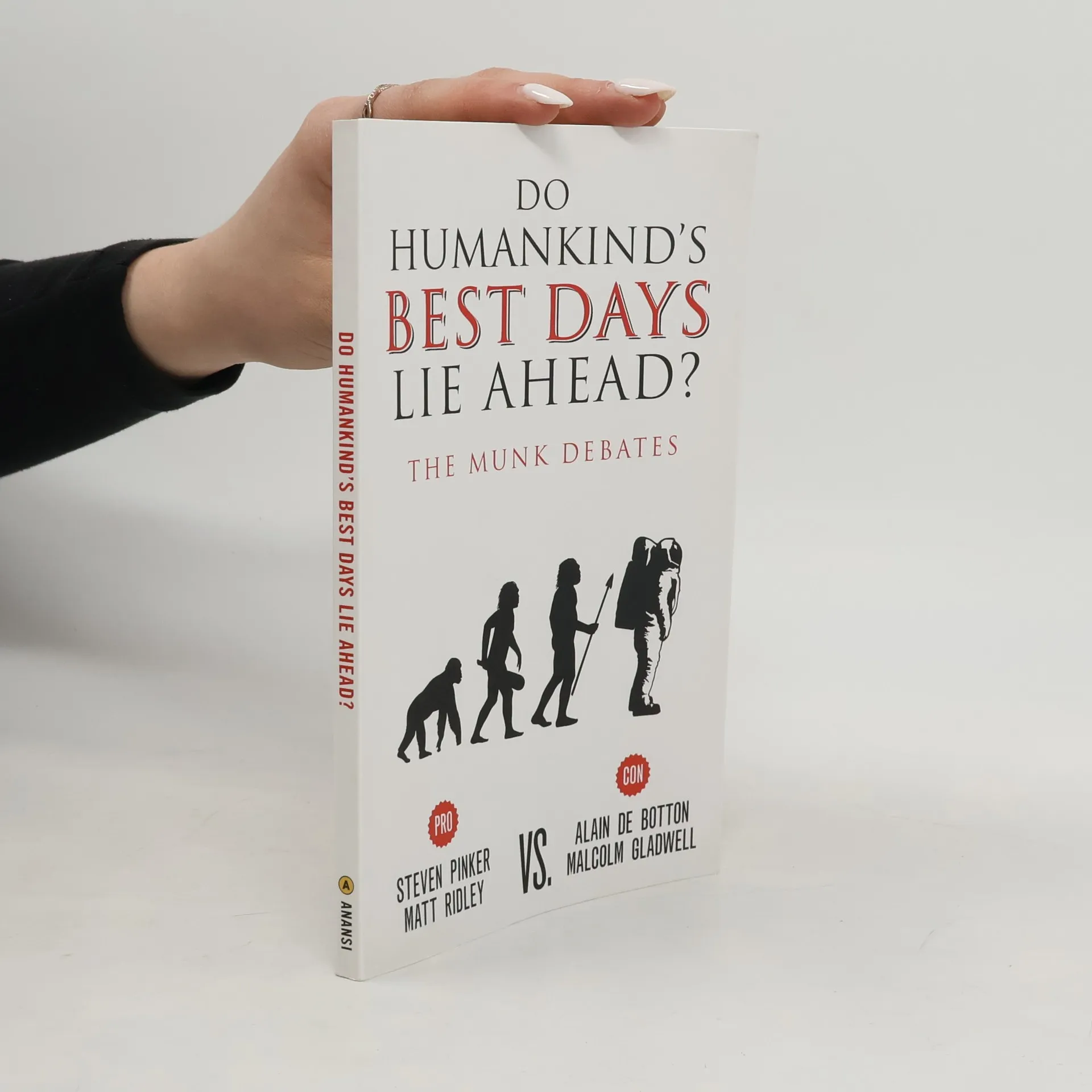
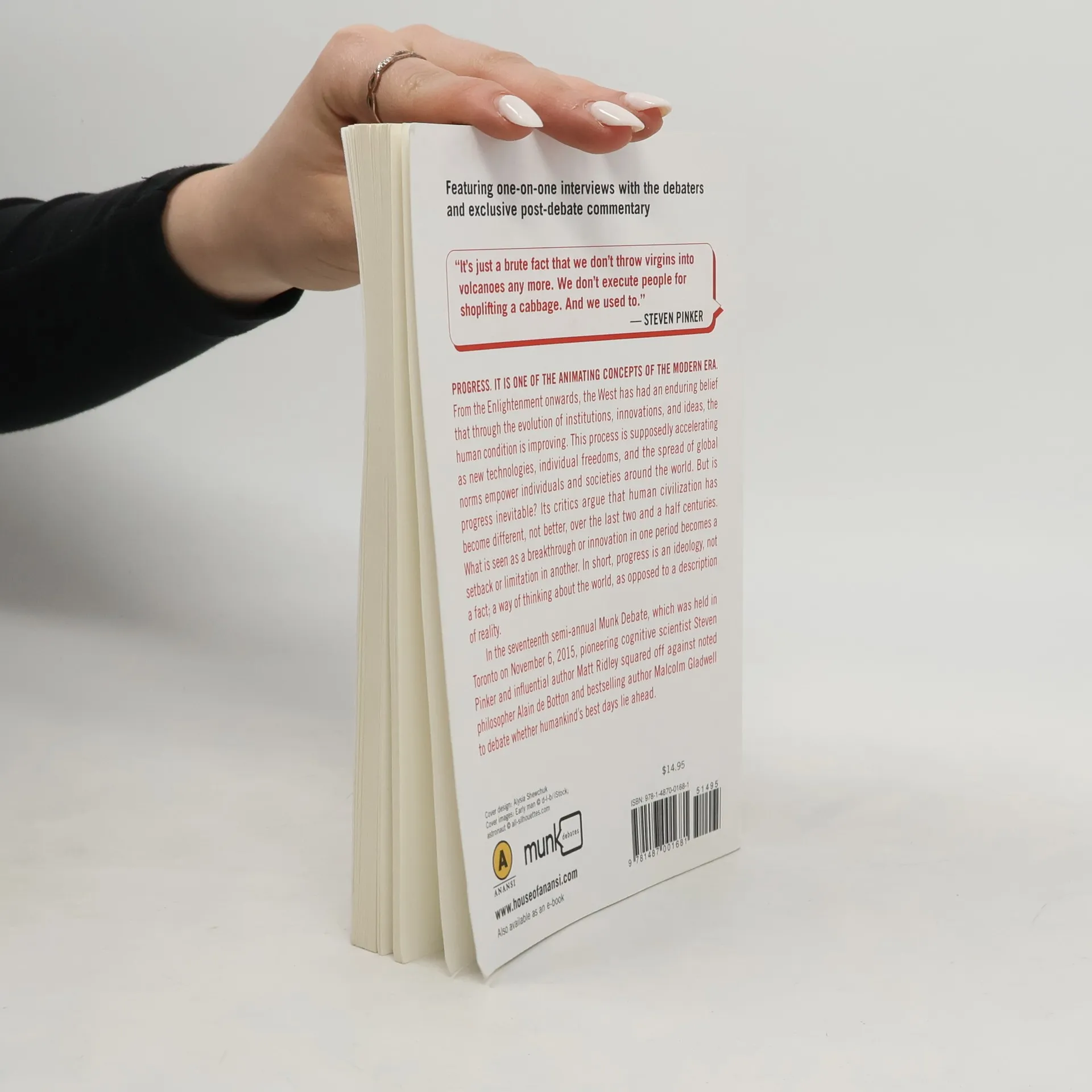
"Progress. It is one of the animating concepts of the modern era. From the Enlightenment onwards, the West has had an enduring belief that through the evolution of institutions, innovations, and ideas, the human condition is improving. This process is supposedly accelerating as new technologies, individual freedoms, and the spread of global norms empower individuals and societies around the world. But is progress inevitable? Its critics argue that human civilization has become different, not better, over the last two and a half centuries. What is seen as a breakthrough or innovation in one period becomes a setback or limitation in another. In short, progress is an ideology not a fact; a way of thinking about the world as opposed to a description of reality. In the seventeenth semi-annual Munk Debates, which was held in Toronto on November 6, 2015, pioneering cognitive scientist Steven Pinker and best-selling author Matt Ridley squared off against noted philosopher Alain de Botton and best-selling author Malcolm Gladwell to debate whether humankind's best days lie ahead, "--Amazon.com.
Zakup książki
Do Humankind's Best Days Lie Ahead?: The Munk Debates, Steven Pinker, Matt Ridley, Alain de Botton, Malcom Gladwell
- Język

- Rok wydania
- 2016
- Oprawa
- (miękka)
Metody płatności
Brakuje nam tutaj Twojej recenzji.
- Tytuł
- Do Humankind's Best Days Lie Ahead?: The Munk Debates
- Język
- angielski
- Wydawca
- House of Anansi Press
- Rok wydania
- 2016
- Oprawa
- miękka
- Liczba stron
- 128
- ISBN10
- 1487001681
- ISBN13
- 9781487001681
- Seria
- Kategorie
- Tagi
- Tematy historyczne, Tematyka psychologiczna, Tematyka filozoficzna, Polityka, Nauka, Technologia, Historia społeczna, Cywilizacja, Aspekty społeczne, Filozofia nauki, Prognozowanie, Postęp
- Ocena
- 3,3 z 5
- Opis
- "Progress. It is one of the animating concepts of the modern era. From the Enlightenment onwards, the West has had an enduring belief that through the evolution of institutions, innovations, and ideas, the human condition is improving. This process is supposedly accelerating as new technologies, individual freedoms, and the spread of global norms empower individuals and societies around the world. But is progress inevitable? Its critics argue that human civilization has become different, not better, over the last two and a half centuries. What is seen as a breakthrough or innovation in one period becomes a setback or limitation in another. In short, progress is an ideology not a fact; a way of thinking about the world as opposed to a description of reality. In the seventeenth semi-annual Munk Debates, which was held in Toronto on November 6, 2015, pioneering cognitive scientist Steven Pinker and best-selling author Matt Ridley squared off against noted philosopher Alain de Botton and best-selling author Malcolm Gladwell to debate whether humankind's best days lie ahead, "--Amazon.com.