

Bookbot

Steven Pinker

    18 września 1954
    Steven Pinker
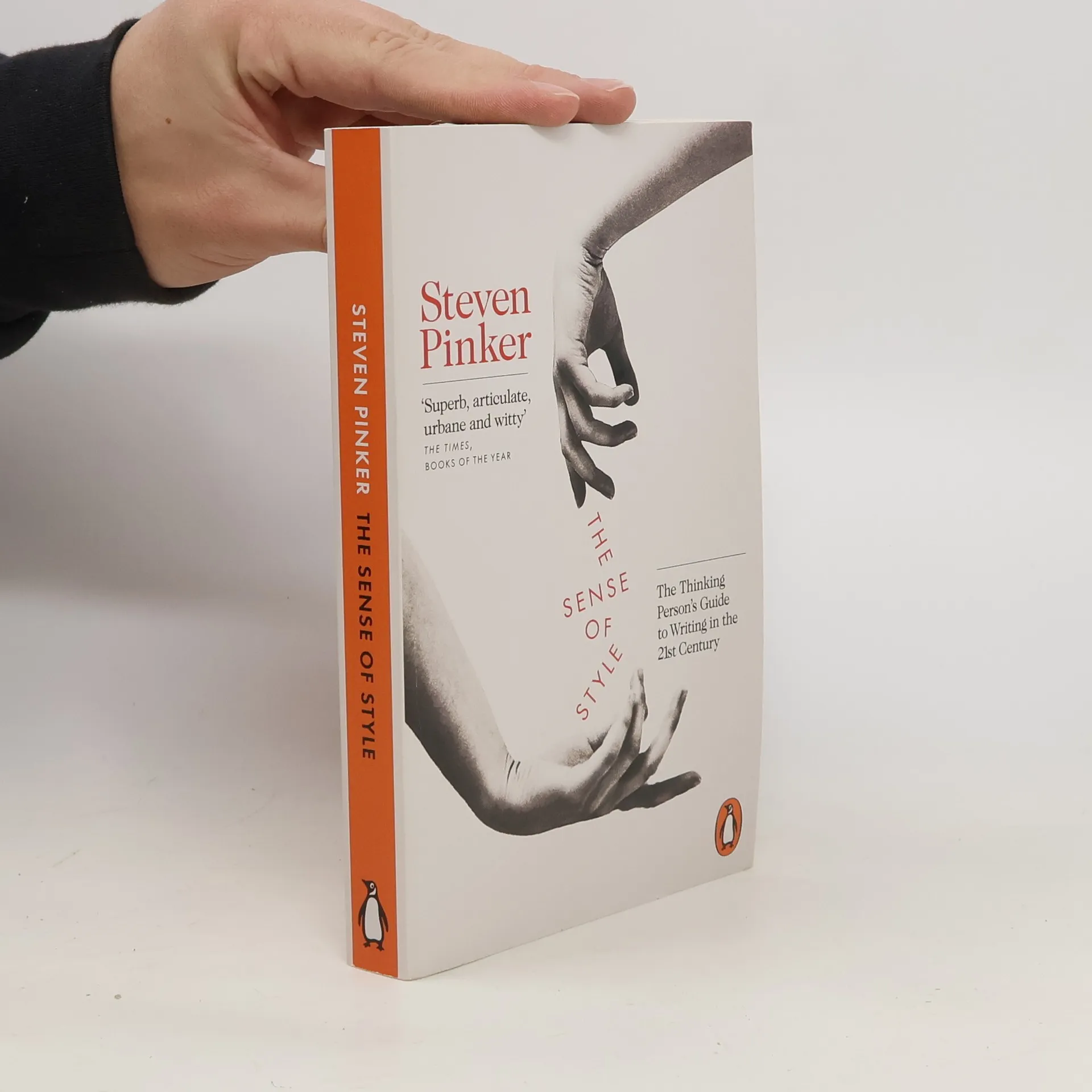
    The sense of style : the thinking person's guide to writing in the 21st century
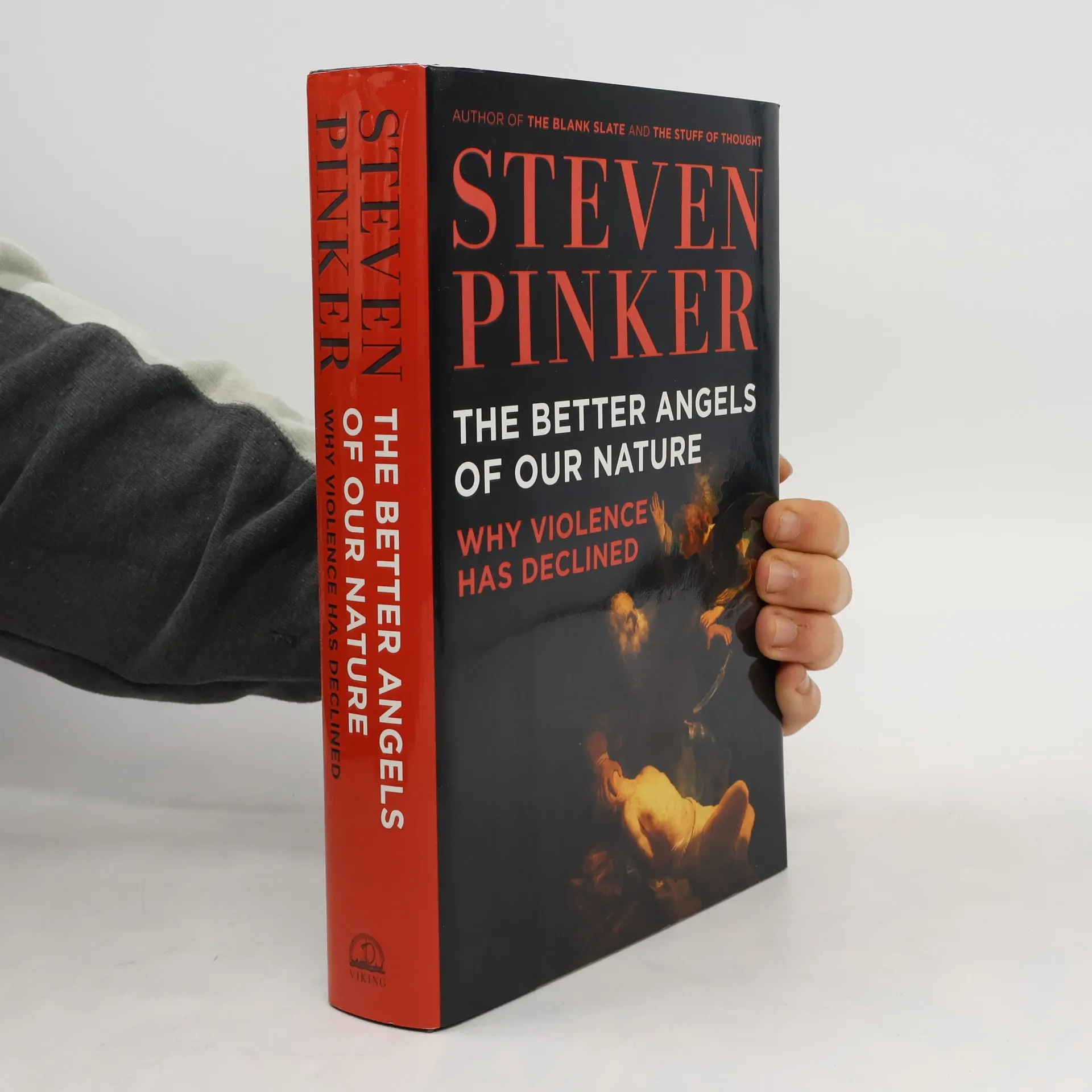
    The better angels of our nature : why violence has declined
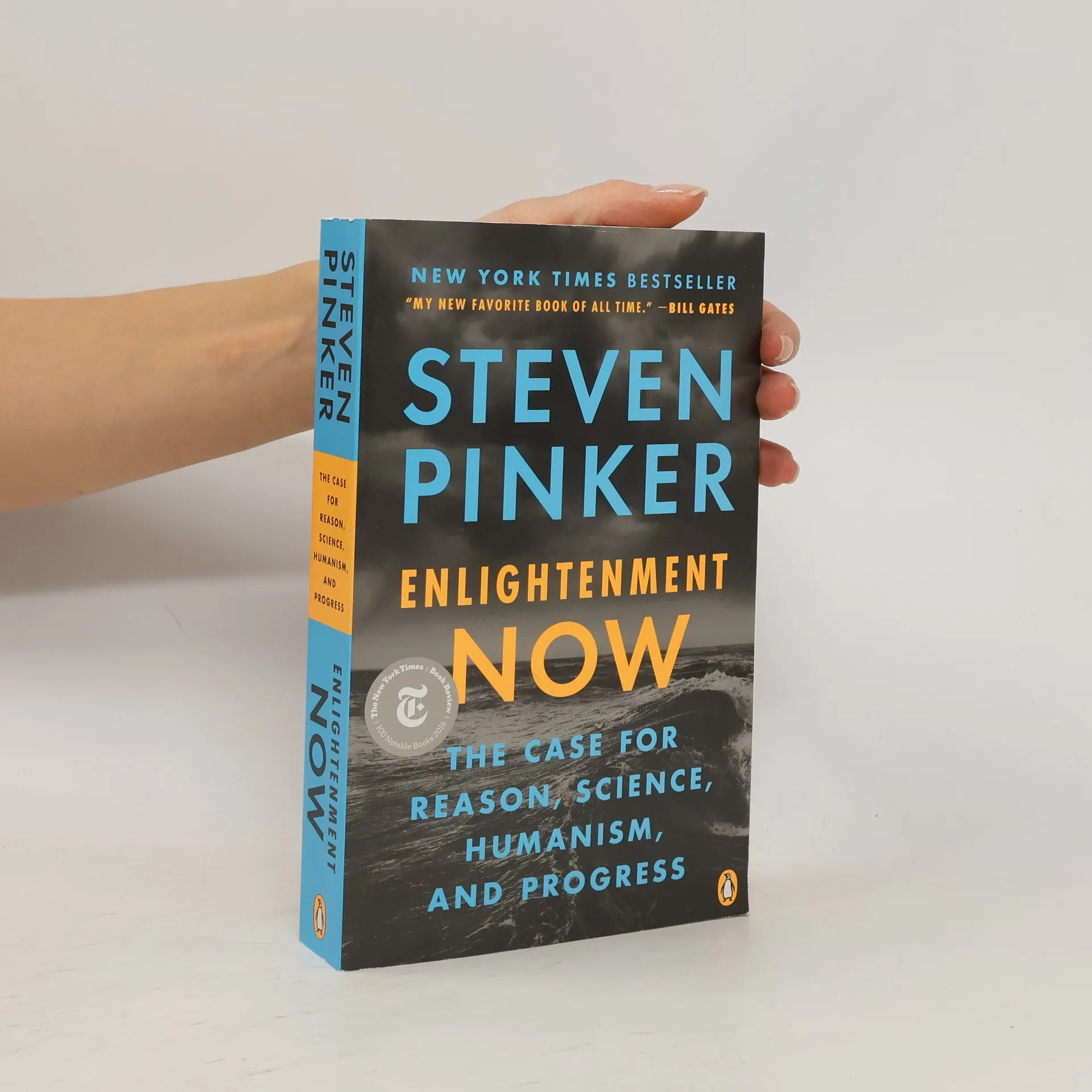
    Enlightenment Now
    Jak działa umysł
    Instynkt językowy
    Tabula Rasa. Spory o naturę ludzką
    • Tabula Rasa. Spory o naturę ludzką

      • 664 strony
      • 24 godziny czytania

      Steven Pinker omawia moralne, emocjonalne i polityczne zabarwienie pojęcia natury ludzkiej we współczesnym świecie. Próbuje odtworzyć bieg historii, który doprowadził do tego, że naturę ludzką zaczęto spostrzegać jako pojęcie niebezpieczne. Zaprzeczanie istnieniu natury ludzkiej porównuje do wiktoriańskiego zażenowania w sprawach seksu. Uważa je jednak za znacznie bardziej szkodliwe - zniekształca bowiem współczesną naukę i oświatę, wypacza dyskusje publiczne i wpływa na nasze życie codzienne. Teoria, zgodnie z którą własne dzieci można kształtować jak glinę, narzuciła rodzicom nienaturalne, a czasem nawet okrutne metody wychowawcze. Spotęgowała cierpienia rodziców, których dzieci nie spełniły pokładanych w nich nadziei. Przekonanie zaś, że ludzkość można przemodelować dzięki prowadzonym na wielką skalę projektom inżynierii społecznej, doprowadziło do okrutnych zbrodni w historii naszego gatunku. Lęk związany z naturą ludzką można sprowadzić do czterech obaw: Jeśli między ludźmi występują różnice, to uzasadniony jest ucisk i dyskryminacja. Jeśli ludzie są z natury niemoralni, to trzeba porzucić nadzieję na poprawę ludzkiej kondycji. Jeśli ludzie są wytworami biologii, to wolna wola okazuje się mitem, a ludzie nie ponoszą odpowiedzialności za swoje czyny. Jeśli ludzie są wytworami biologii, to życie nie ma wyższego sensu ani celu.

      Tabula Rasa. Spory o naturę ludzką
      4,1
    • Instynkt językowy

      • 608 stron
      • 22 godziny czytania

      Błyskotliwa obrona prowokacyjnej tezy o biologicznych korzeniach języka W swojej książce Steven Pinker wyjaśnia wszystko, co zawsze chcieliśmy wiedzieć o języku: jak on w ogóle działa, w jaki sposób dzieci się go uczą, jak się zmienia współcześnie, jak mózg przetwarza komunikaty językowe i jak ewoluował na przestrzeni dziejów. Autor omawia szczegóły swojej rewolucyjnej teorii inspirowanej koncepcjami językoznawcy Noama Chomsky’ego, a następnie przedstawia najnowsze osiągnięcia lingwistyki. Wychodząc z założenia o ewolucyjnym pochodzeniu języka, autor podważa wiele popularnych poglądów na jego temat, między innymi kwestionuje tezę, że specyfika lokalnych właściwości językowych ma decydujący wpływ na postrzeganie świata. Zręcznie posługując się zabawnymi przykładami i grami słownymi, autor splata rozległą wiedzę w fascynującą opowieść: język jest ludzkim instynktem, wszczepionym w nasze mózgi przez ewolucję. Jest unikalną zdolnością właściwą wyłącznie człowiekowi. „Mało co tak dobrze przysłużyło się mojemu mózgowi jak lektura książki Stevena Pinkera. Jest to rodzaj pisarstwa, o którym marzy każdy prawdziwy ekspert od jakiegoś tematu: niezwykle przystępne dla laików, a jednocześnie przełomowe dla fachowców”. Richard Dawkins, autor Samolubnego genu

      Instynkt językowy
      4,0
    • Jak działa umysł

      • 720 stron
      • 26 godzin czytania

      W tej niezwykłej książce Steven Pinker, jeden z czołowych myślicieli, klarownie i z humorem wyjaśnia, czym jest umysł, jak wyewoluował oraz jak pozwala nam postrzegać świat, myśleć i czuć. Porusza pytania dotyczące racjonalności i irracjonalności, percepcji trójwymiarowej, emocji, miłości oraz moralności. Autor stosuje "odwróconą inżynierię" umysłu, próbując zrozumieć, co dobór naturalny "zamierzał" osiągnąć w naszym środowisku, i wyjaśnia wiele codziennych zagadek. Dlaczego makijaż czyni twarze bardziej atrakcyjnymi? Co sprawia, że po serii rzutów monetą sądzimy, iż reszka jest bardziej prawdopodobna? Dlaczego myśl o robakach budzi obrzydzenie? Pinker bada też zjawiska takie jak męskie pojedynki czy zachowanie dzieci. Rehabilituje idee, że umysł jest komputerem i że ludzka natura kształtowana była przez dobór naturalny, jednocześnie kwestionując popularne teorie o emocjach, socjalizacji dzieci czy źródłach kreatywności. Książka zdobyła uznanie za swoją naukową odwagę i styl, będąc fascynującą popularyzacją nauki.

      Jak działa umysł
      4,0
    • Enlightenment Now

      • 576 stron
      • 21 godzin czytania

      The follow-up to Pinker's groundbreaking The Better Angels of Our Nature presents the big picture of human progress: people are living longer, healthier, freer, and happier lives, and while our problems are formidable, the solutions lie in the Enlightenment ideal of using reason and science. Far from being a naive hope, the Enlightenment, we now know, has worked. But more than ever, it needs a vigorous defense. The Enlightenment project swims against currents of human nature--tribalism, authoritarianism, demonization, magical thinking--which demagogues are all too willing to exploit. Many commentators, committed to political, religious, or romantic ideologies, fight a rearguard action against it. The result is a corrosive fatalism and a willingness to wreck the precious institutions of liberal democracy and global cooperation

      Enlightenment Now
      4,2
    • A controversial history of violence argues that today's world is the most peaceful time in human existence, drawing on psychological insights into intrinsic values that are causing people to condemn violence as an acceptable measure.

      The better angels of our nature : why violence has declined
      4,2
    • What is the secret of good prose? Does it matter in an age of digital media? In this witty, mind-expanding book about the art and science of writing well, Steven Pinker shows that good style isn't just about rules - it's about empathy, coherence and adding beauty to the world. 'Witty, direct and idiosyncratic . . . often laugh-out-loud funny . . . refreshingly uncensorious . . . It helps enormously that he is such a beautiful stylist himself.' Paula Byrne, The Times 'Wonderful . . . No true lover of this chaotic, unregulated, magnificently vital language could fail to thrill.' Christopher Hart, Sunday Times 'Brainy, funny . . . a comedy of linguistic bad manners.' Peter Conrad, Guardian 'Outstanding . . . the one book I can unreservedly recommend as a guide on how to write well . . . unique as well as brilliant.' Oliver Kamm, The Times

      The sense of style : the thinking person's guide to writing in the 21st century
      4,1
    • Language, Cognition, and Human Nature

      • 392 strony
      • 14 godzin czytania

      Collects for the first time Steven Pinker's most influential scholarly work on language and cognition. Pinker is a highly eminent cognitive scientist, and these essays emphasize the importance of language and its connections to cognition, social relationships, child development, human evolution, and theories of human nature.

      Language, Cognition, and Human Nature
      3,9
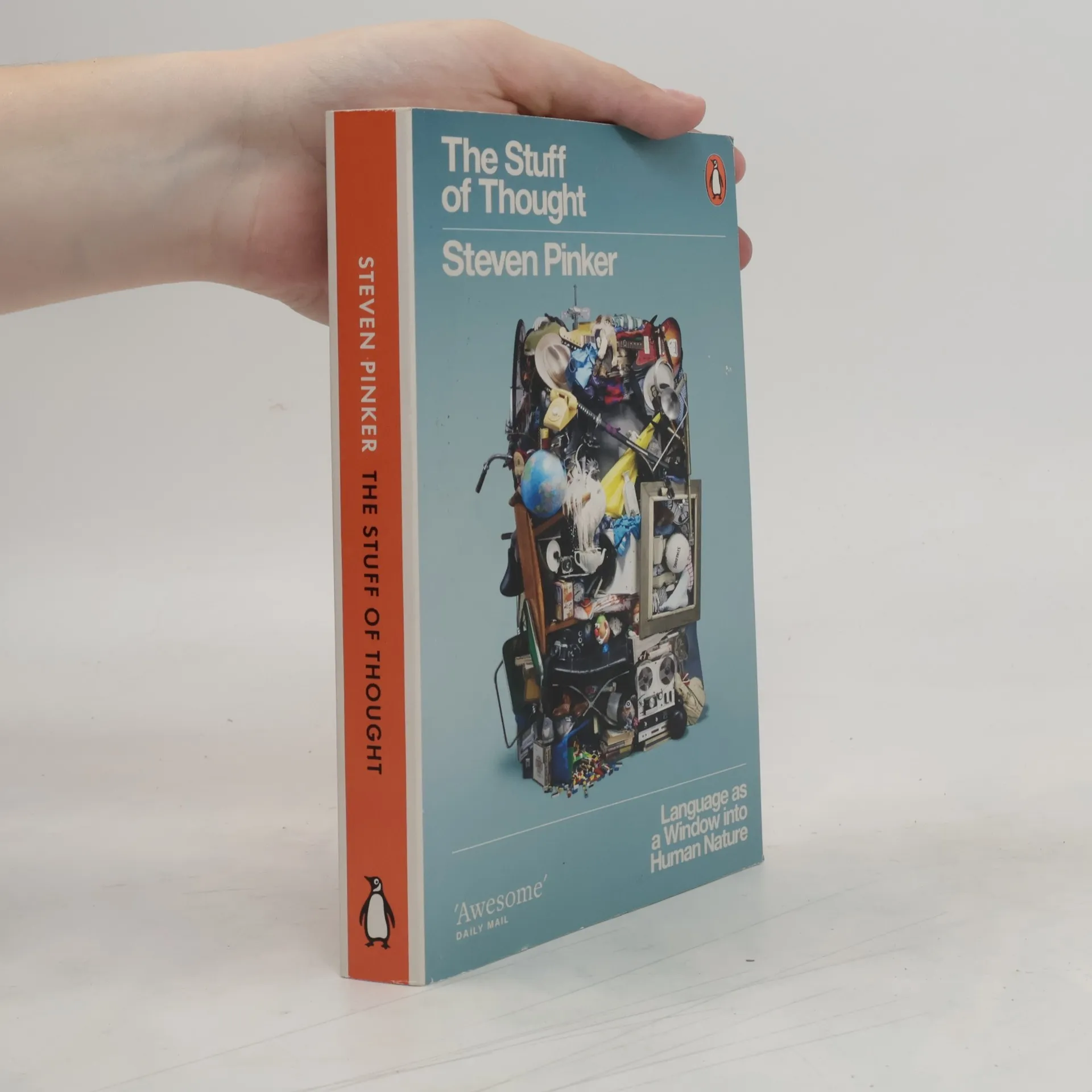
    • The Stuff of Thought

      • 499 stron
      • 18 godzin czytania

      Steven Pinker analyses what words actually mean and how we use them, and he reveals what this can tell us about ourselves. He shows how we use space and motion as metaphors for more abstract ideas, and uncovers the deeper structures of human thought that have been shaped by evolutionary history.

      The Stuff of Thought
      3,9
    • One of the world's science superstars presents a brilliantly illuminating, entertaining and cutting-edge account of how language actually works. schovat popis

      Words And Rules
      3,9
    • Learnability and Cognition

      • 512 stron
      • 18 godzin czytania

      Before Steven Pinker became known for his bestsellers on language and human nature, he authored several influential technical monographs on language acquisition. His 1989 work, which integrates two significant topics—how children learn their mother tongue and how the mind categorizes fundamental concepts like space, time, causality, agency, and goals—has become a classic in cognitive science. Children exhibit remarkable subtlety in language use; for instance, phrases like "pour water into the glass" sound natural, while "pour the glass with water" does not. This raises the question of how children make these distinctions without consistent correction or merely mimicking their parents. Pinker addresses this paradox through a theory on how children grasp the meanings and applications of verbs, delving into its implications for language, thought, and their interrelation. In a new preface, he reflects on how the ideas explored in this work inspired his later bestseller, which examines language as a lens into human nature. He emphasizes that these technical discussions offer valuable insights into not only language acquisition but also literary metaphor, scientific understanding, political discourse, and societal views on sexuality and obscenity.

      Learnability and Cognition
      3,3
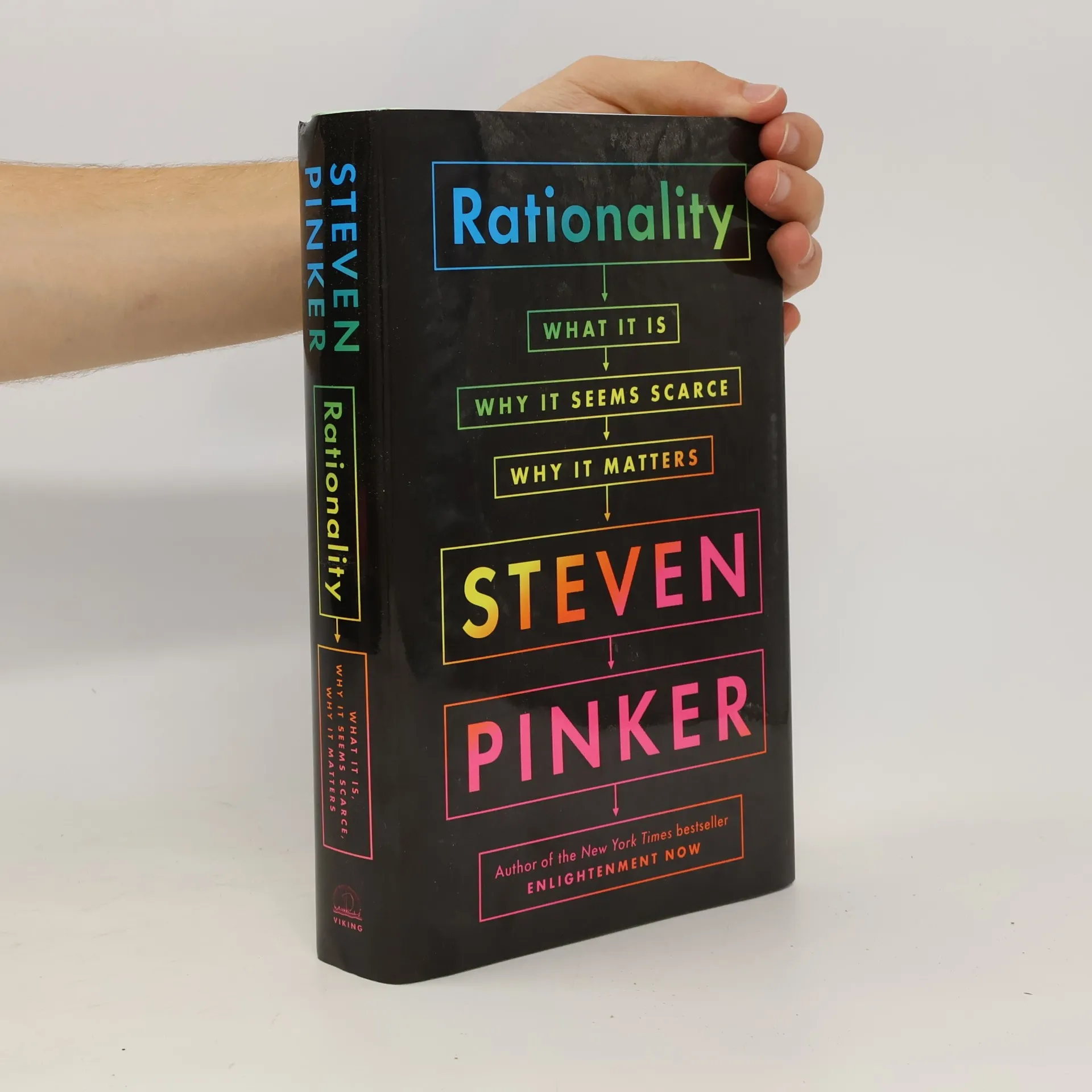
    • Rationality

      What It Is, Why It Seems Scarce, Why It Matters

      • 432 strony
      • 16 godzin czytania

      NEW YORK TIMES BESTSELLER “In our uncertain age, which can so often feel so dark and disturbing, Steven Pinker has distinguished himself as a voice of positivity.” – New York Times Can reading a book make you more rational? Steven Pinker addresses this question and explores the paradox of humanity's scientific advancements alongside widespread irrationality. Despite developing vaccines for Covid-19 in record time, society grapples with fake news and conspiracy theories. Pinker challenges the notion that humans are inherently irrational, arguing instead that we possess the capacity for rational thought, having discovered the laws of nature and improved our lives through knowledge. However, we often neglect the powerful reasoning tools available to us—such as logic, critical thinking, and understanding probability and causation. These concepts are rarely taught effectively, leaving a gap in our education. The book also examines how the rational pursuit of self-interest and group loyalty can lead to societal irrationality. Promoting collective rationality requires norms that foster objectivity and truth. Ultimately, embracing rationality can lead to better personal choices and social progress. Brimming with insight and humor, this work aims to enlighten and empower readers.

      Rationality
      3,8
    • "Progress. It is one of the animating concepts of the modern era. From the Enlightenment onwards, the West has had an enduring belief that through the evolution of institutions, innovations, and ideas, the human condition is improving. This process is supposedly accelerating as new technologies, individual freedoms, and the spread of global norms empower individuals and societies around the world. But is progress inevitable? Its critics argue that human civilization has become different, not better, over the last two and a half centuries. What is seen as a breakthrough or innovation in one period becomes a setback or limitation in another. In short, progress is an ideology not a fact; a way of thinking about the world as opposed to a description of reality. In the seventeenth semi-annual Munk Debates, which was held in Toronto on November 6, 2015, pioneering cognitive scientist Steven Pinker and best-selling author Matt Ridley squared off against noted philosopher Alain de Botton and best-selling author Malcolm Gladwell to debate whether humankind's best days lie ahead, "--Amazon.com.

      Do Humankind's Best Days Lie Ahead?: The Munk Debates
      3,3
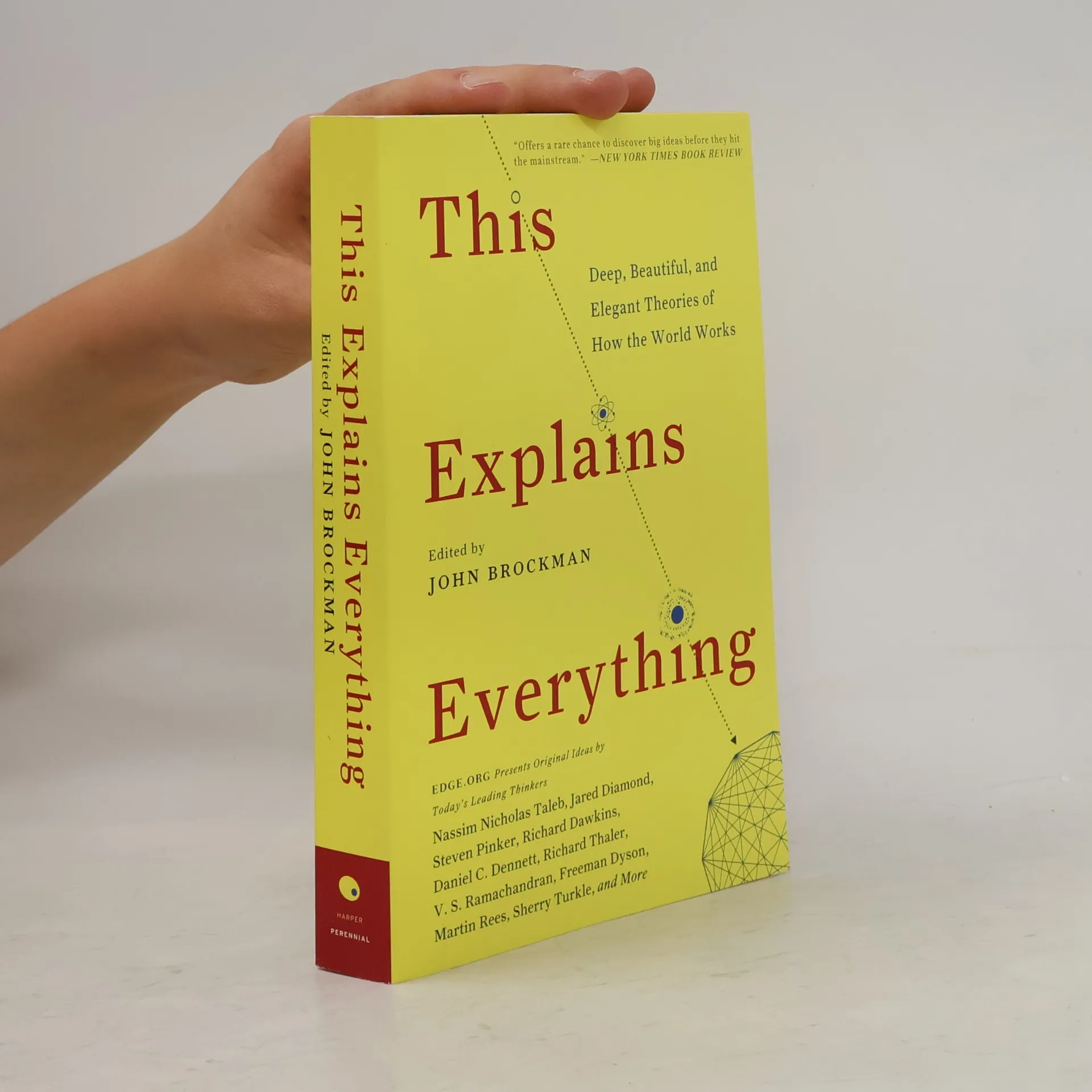
    • In This Explains Everything, John Brockman, founder and publisher of Edge.org, asked experts in numerous fields and disciplines to come up with their favorite explanations for everyday occurrences. Why do we recognize patterns? Is there such a thing as positive stress? Are we genetically programmed to be in conflict with each other? Those are just some of the 150 questions that the world's best scientific minds answer with elegant simplicity. With contributions from Jared Diamond, Richard Dawkins, Nassim Taleb, Brian Eno, Steven Pinker, and more, everything is explained in fun, uncomplicated terms that make the most complex concepts easy to comprehend.

      This explains everything : deep, beautiful, and elegant theories of how the world woks
      3,0
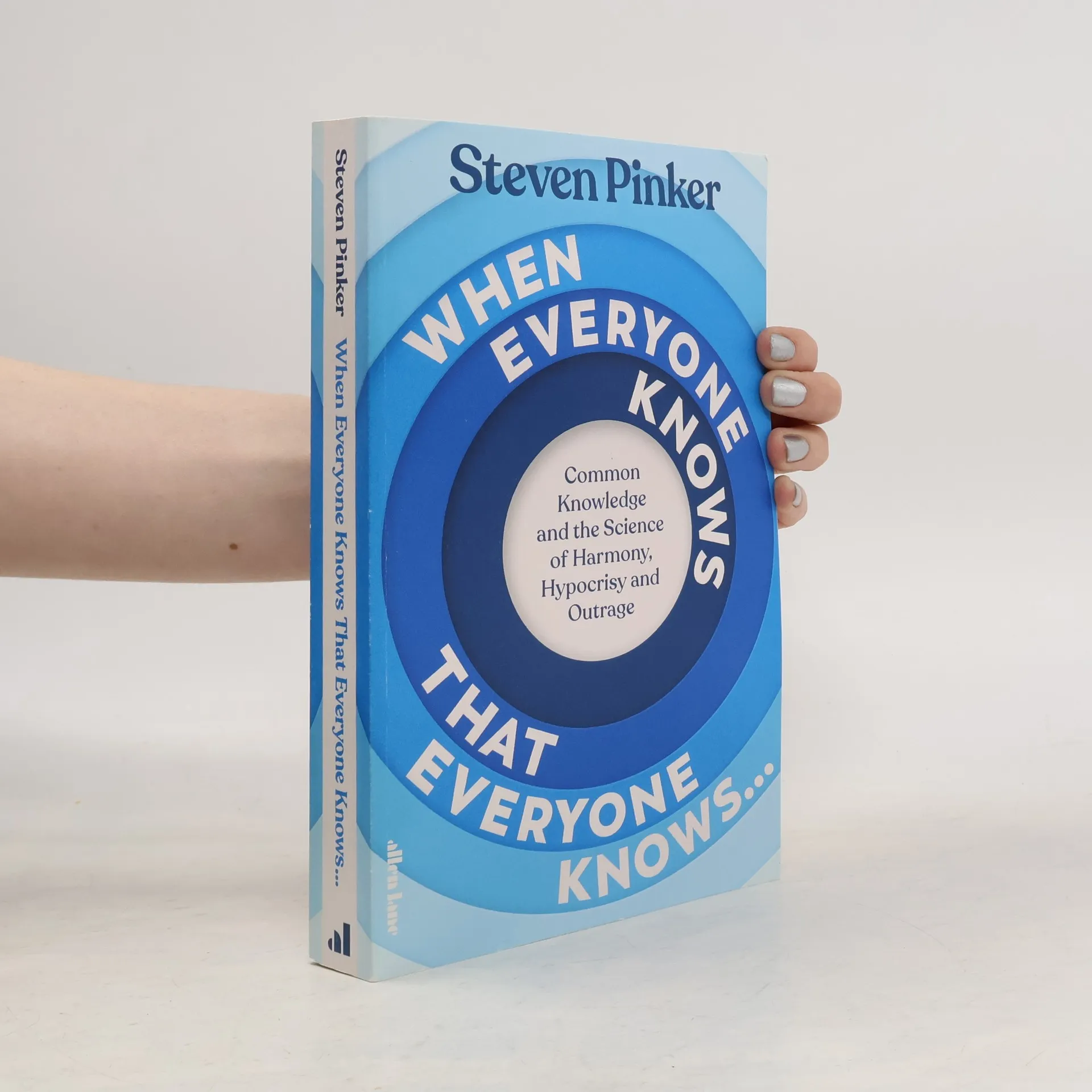
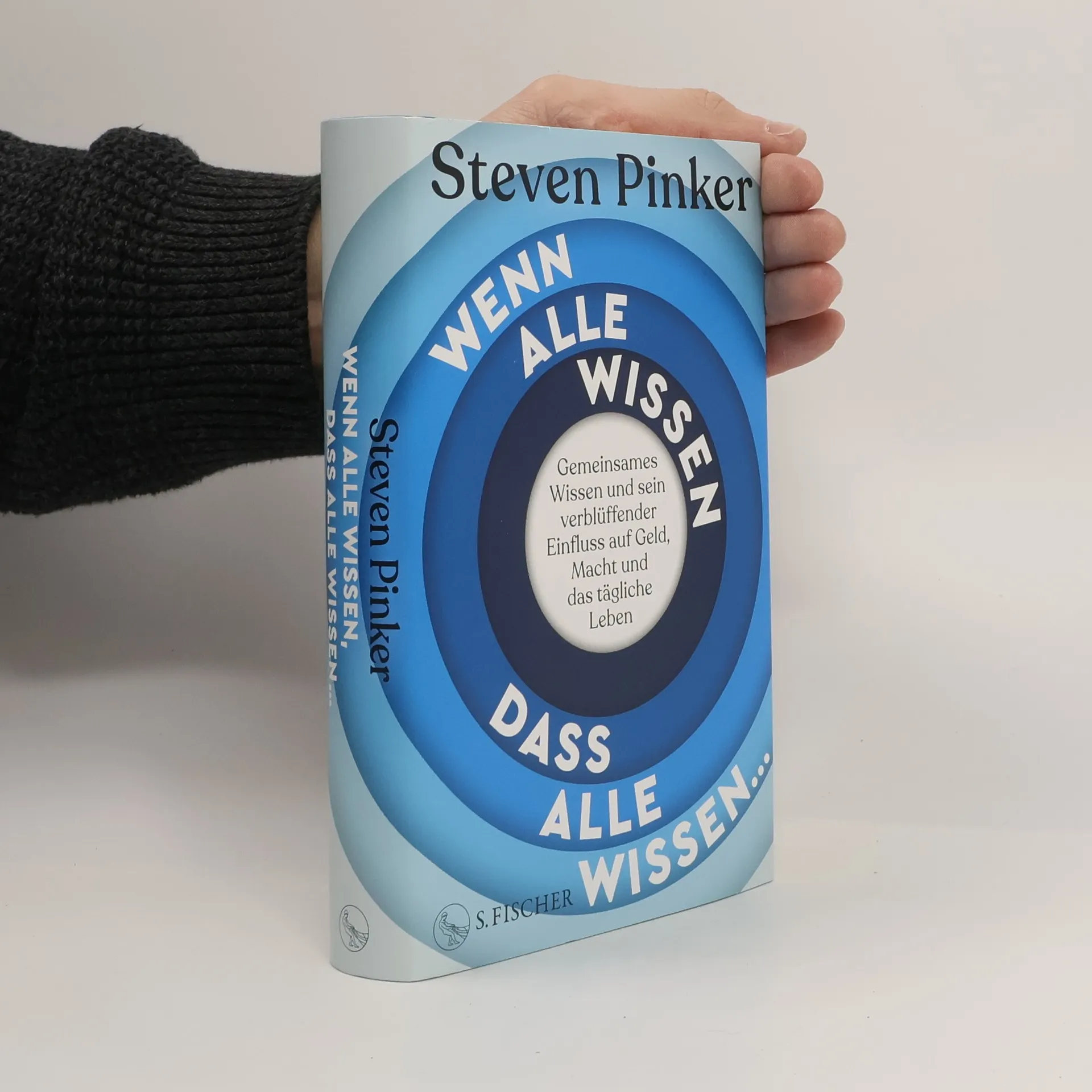
    • Wenn alle wissen, dass alle wissen...

      Gemeinsames Wissen und sein verblüffender Einfluss auf Geld, Macht und das tägliche Leben

      • 416 stron
      • 15 godzin czytania

      Wie Gemeinsames Wissen unsere Gesellschaft bildet – die erste umfassende Theorie Von der Börse über internationale Beziehungen bis hin zu privaten Verabredungen: Tagtäglich treffen wir Annahmen darüber, was andere Menschen wissen und denken, und richten unser Handeln danach aus – oft, ohne uns dessen bewusst zu sein. Steven Pinker befasst sich in seinem neuen Buch damit, wie wir den Wissensstand anderer Menschen einschätzen. Anhand von zahlreichen Beispielen aus der Spieltheorie, der Geschichte und unserem Alltag zeigt er so klar wie unterhaltsam, dass unsere alltäglichen Interaktionen auf komplexesten Überlegungen beruhen – und warum diese Tatsache unser Zusammenleben entscheidend prägt.

      Wenn alle wissen, dass alle wissen...
    • Edge.org: Wetenschappelijke parels

      Het belangrijkste wetenschappelijke nieuws volgens 193 'briljante geesten'

      • 528 stron
      • 19 godzin czytania

      Bijna dagelijks worden we geconfronteerd met nieuwe inzichten en weetjes, variërend van wereldbelang tot drijfzand. Of het nu gaat om dieetvoorschriften, experimentele medicijnen, technologische doorbraken of klimaatvoorspellingen, het is voor leken vaak onmogelijk om waardevolle informatie te onderscheiden van onzin. Wat zijn de ontdekkingen die écht invloed hebben op onze toekomst? John Brockman, oprichter van edge.org, vroeg invloedrijke wetenschappers en denkers naar het meest interessante recente wetenschappelijke nieuws. Steven Pinker wijst op de kwantificering van menselijke vooruitgang als een opmerkelijke ontwikkeling. Chris Anderson is onder de indruk van het sociale experiment dat internet vertegenwoordigt en de opkomst van een wereldwijd collectief bewustzijn. Max Tegmark waarschuwt dat technologische en wetenschappelijke vooruitgang de leercurve van onze wijsheid overstijgt, wat zorgwekkend is, vooral bij gevoelige onderwerpen zoals kernwapens. Peter Gabriel benadrukt hoe hersenwetenschap de grens tussen fantasie en werkelijkheid vervaagt. Daarnaast delen ook John C. Mather, Bill Joy, Michael Shermer, Matt Ridley, George Church en anderen hun inzichten, wat een breed scala aan perspectieven biedt op de huidige wetenschappelijke ontwikkelingen.

      Edge.org: Wetenschappelijke parels