

Parametry
- 354 strony
- 13 godzin czytania
Więcej o książce
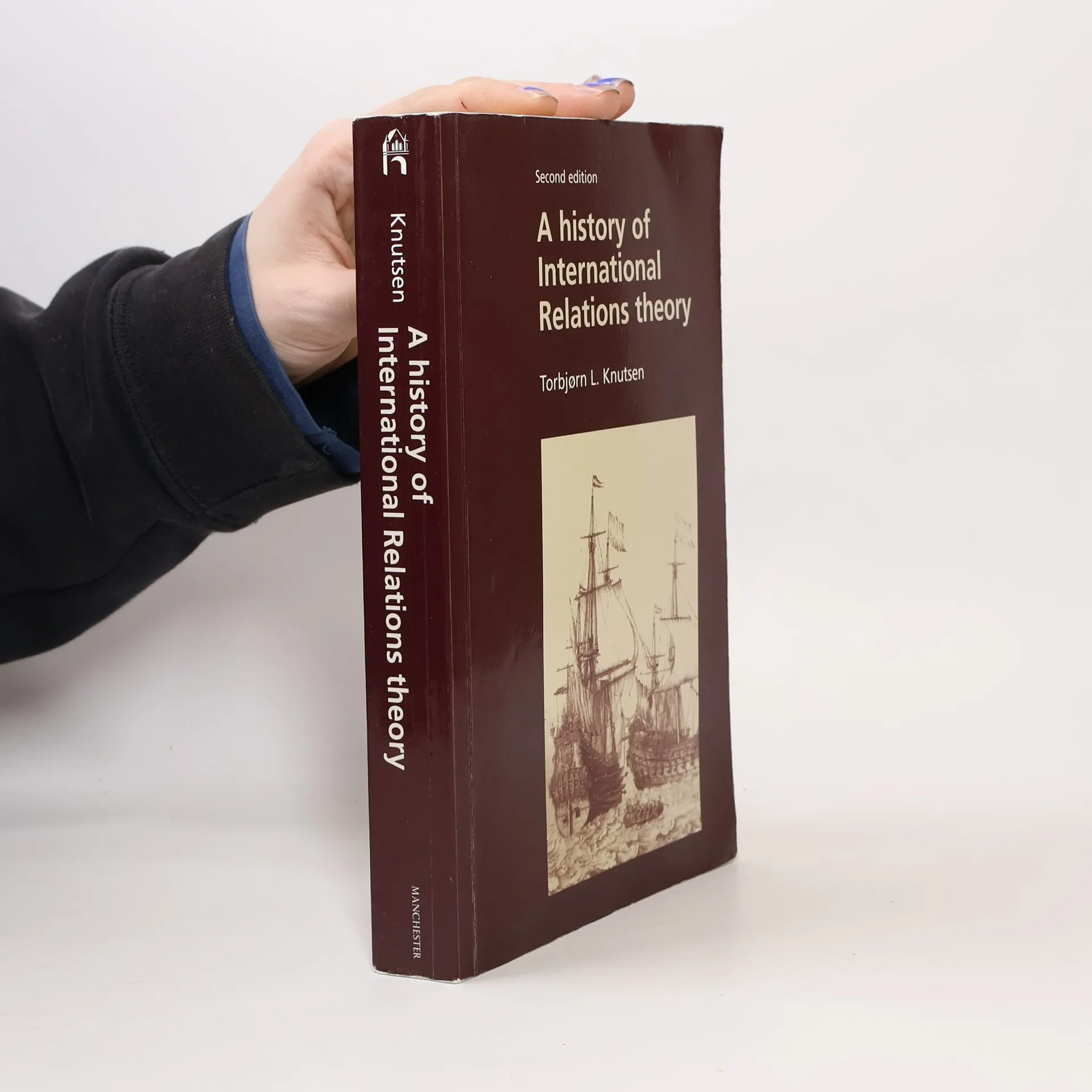
Torbjørn L. Knutsen introduces ideas on international relations expressed by thinkers from High Middle Ages to the present day and traces the development of four ever-present war, peace, wealth and power. The book counters the view that international relations has no theoretical tradition and shows that scholars, soldiers and statesmen have been speculating about the subject for the last 700 years.Beginning with the roots of the state and the concept of sovereignty in the Middle Ages, the author draws upon the insights of outstanding political thinkers – from Machiavelli and Hobbes to Hegel, Rousseau, and Marx and contemporary thinkers such as Woodrow Wilson, Lenin, Morgenthau and Walt – who profoundly influenced the emergence of a discrete discipline of international relations in the twentieth century. Fully revised and updated, the final section embraces more recent approaches to the study of international relations, most notably postmodernism and ecologism.
Zakup książki
A History of International Relations Theory - Second Edition, Torbjørn L. Knutsen
- Język

- Rok wydania
- 1997
- Oprawa
- (miękka)
Metody płatności
Brakuje nam tutaj Twojej recenzji.
- Tytuł
- A History of International Relations Theory - Second Edition
- Język
- angielski
- Autorzy
- Torbjørn L. Knutsen
- Wydawca
- Manchester University Press
- Rok wydania
- 1997
- Oprawa
- miękka
- Liczba stron
- 354
- ISBN10
- 071904930X
- ISBN13
- 9780719049309
- Seria
- Kategorie
- Tagi
- Tematy historyczne, Tematyka filozoficzna, Polityka, Teorie polityczne, Teorie naukowe, Stosunki międzynarodowe, Historia społeczna
- Ocena
- 4 z 5
- Opis
- Torbjørn L. Knutsen introduces ideas on international relations expressed by thinkers from High Middle Ages to the present day and traces the development of four ever-present war, peace, wealth and power. The book counters the view that international relations has no theoretical tradition and shows that scholars, soldiers and statesmen have been speculating about the subject for the last 700 years.Beginning with the roots of the state and the concept of sovereignty in the Middle Ages, the author draws upon the insights of outstanding political thinkers – from Machiavelli and Hobbes to Hegel, Rousseau, and Marx and contemporary thinkers such as Woodrow Wilson, Lenin, Morgenthau and Walt – who profoundly influenced the emergence of a discrete discipline of international relations in the twentieth century. Fully revised and updated, the final section embraces more recent approaches to the study of international relations, most notably postmodernism and ecologism.