

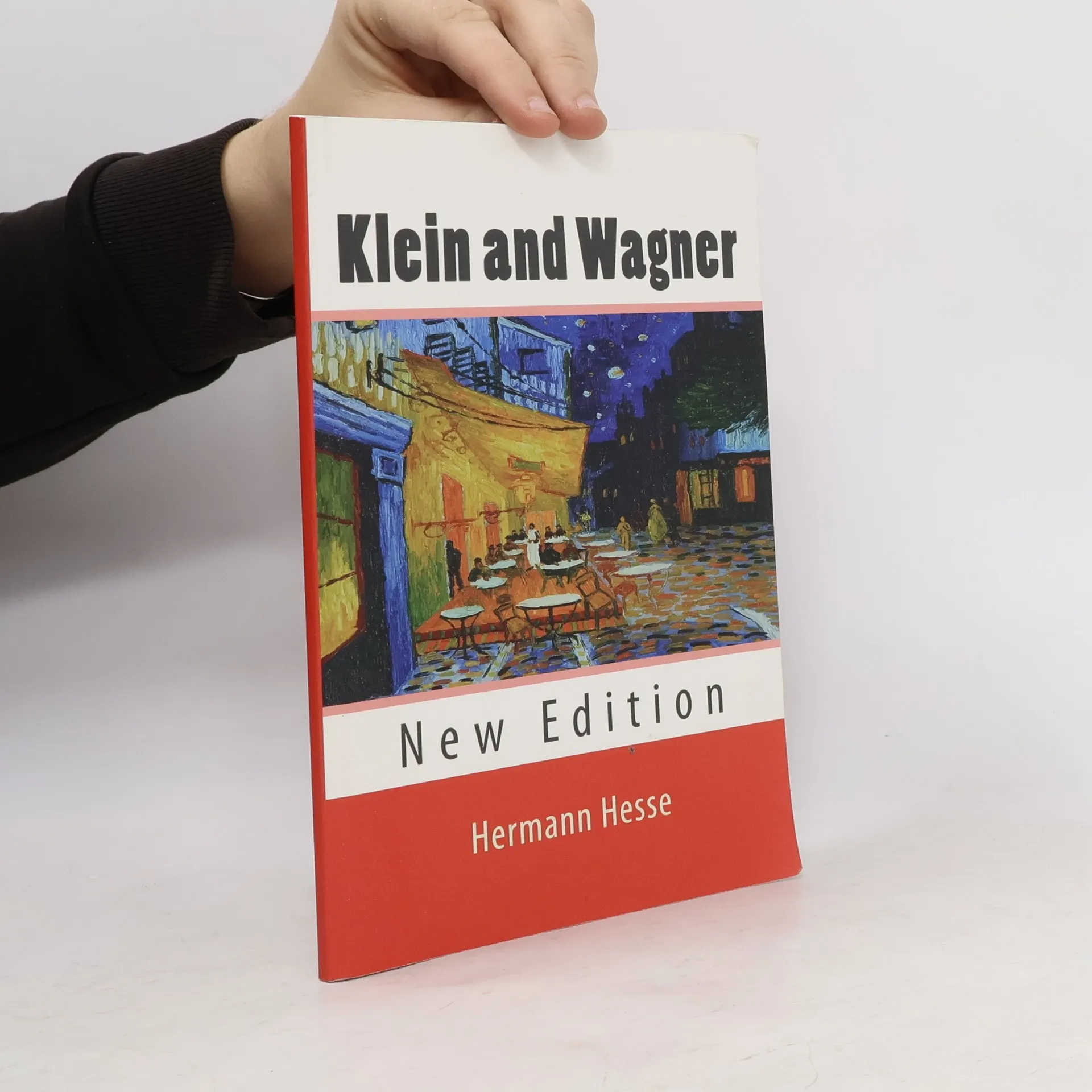


Więcej o książce
The narrative follows Friedrich Klein, a middle-aged clerk who embezzles from his employer and flees to Italy. Unlike a typical criminal, Klein is a self-alienated, tormented bourgeois seeking peace and self-fulfillment. As he contemplates his fate, he realizes his primary motivation stems from a dark urge to murder his wife and children, which he escapes by abandoning his old life. This impulse is linked to the name Wagner, referencing both the composer and a real-life German schoolteacher who committed a similar crime in 1913. Despite his escape, Klein remains trapped in his anguish, feeling like a victim of his own thoughts. He contemplates suicide until he meets Teresina, a young courtesan who embodies vitality and the eternal feminine. However, he hesitates to reveal his past to her. The story draws striking autobiographical parallels, as Hesse faced personal turmoil in 1919, grappling with his mentally ill wife and the responsibility of raising their three sons. Ultimately, Hesse found solace in writing this story, which served as a therapeutic outlet for his suffering. The work, influenced by Expressionism, is a modern "psychodrama" that introduces themes and motifs that would dominate Hesse's writing in the following decade, including connections to his later work, Steppenwolf.


Zakup książki
Klein and Wagner, Hermann Hesse
- Język

- Rok wydania
- 2017
- Oprawa
- (miękka)
Metody płatności
Brakuje nam tutaj Twojej recenzji.
- Tytuł
- Klein and Wagner
- Podtytuł
- New Edition
- Język
- angielski
- Autorzy
- Hermann Hesse
- Rok wydania
- 2017
- Oprawa
- miękka
- Liczba stron
- 104
- ISBN10
- 1548751375
- ISBN13
- 9781548751371
- Seria
- Pierwsze wydanie
- 1919
- Oryginalna nazwa
- Klein und Wagner
- Ocena
- 3,95 z 5
- Opis
- The narrative follows Friedrich Klein, a middle-aged clerk who embezzles from his employer and flees to Italy. Unlike a typical criminal, Klein is a self-alienated, tormented bourgeois seeking peace and self-fulfillment. As he contemplates his fate, he realizes his primary motivation stems from a dark urge to murder his wife and children, which he escapes by abandoning his old life. This impulse is linked to the name Wagner, referencing both the composer and a real-life German schoolteacher who committed a similar crime in 1913. Despite his escape, Klein remains trapped in his anguish, feeling like a victim of his own thoughts. He contemplates suicide until he meets Teresina, a young courtesan who embodies vitality and the eternal feminine. However, he hesitates to reveal his past to her. The story draws striking autobiographical parallels, as Hesse faced personal turmoil in 1919, grappling with his mentally ill wife and the responsibility of raising their three sons. Ultimately, Hesse found solace in writing this story, which served as a therapeutic outlet for his suffering. The work, influenced by Expressionism, is a modern "psychodrama" that introduces themes and motifs that would dominate Hesse's writing in the following decade, including connections to his later work, Steppenwolf.