


Więcej o książce
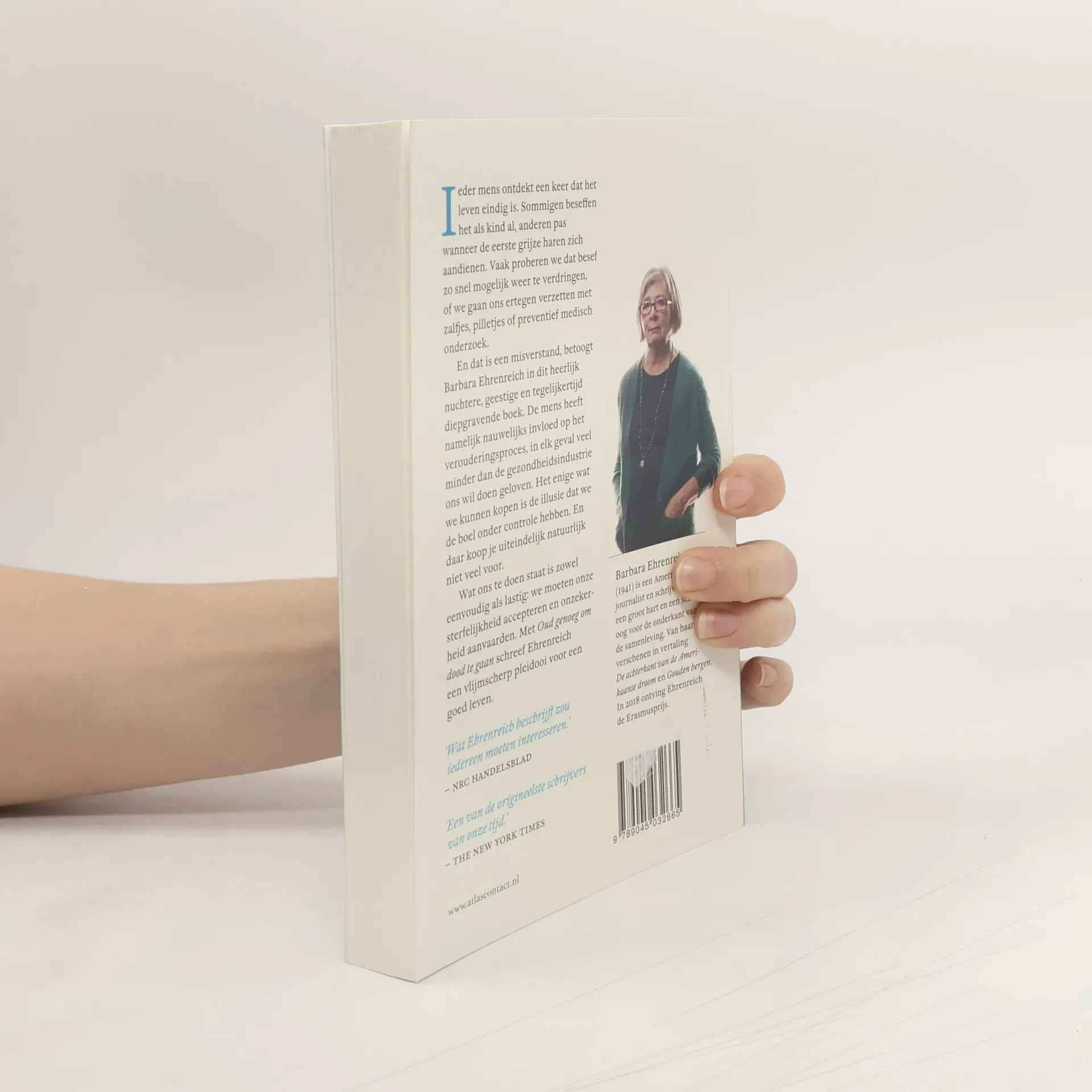
Bestselling author Barbara Ehrenreich explores how our obsession with longevity often detracts from living well. In a sharp polemic, she challenges the prevalent beliefs surrounding health, from preventive screenings to wellness trends, revealing how they lead us to overprepare and worry about the inevitable. Ehrenreich delves into the unreliability of our bodies and the concept of "mind-bodies," highlighting the paradox of our immune cells sometimes promoting cancers. She examines the cellular basis of aging, emphasizing our limited control over it. Despite our belief in agency over our health and mortality, recent science suggests that our bodies' microscopic components make independent "decisions" that may not align with our desires. We may invest in anti-aging products, undergo cosmetic procedures, or engage in mindfulness practices, but these pursuits often provide only an illusion of control. The book poses a vital philosophical challenge: how to live joyously while accepting our mortality. Drawing on personal experiences, sociological insights, and scientific literature, Ehrenreich humorously and critically addresses our obsession with health and death, ultimately exploring how we can better prepare for the end while still enjoying life.


Zakup książki
Oud genoeg om dood te gaan - over de vragen die iedereen zich ooit moet stellen, Barbara Ehrenreich
- Język

- Rok wydania
- 2018
- Oprawa
- (miękka)
Metody płatności
Brakuje nam tutaj Twojej recenzji.
- Tytuł
- Oud genoeg om dood te gaan - over de vragen die iedereen zich ooit moet stellen
- Język
- holenderski
- Autorzy
- Barbara Ehrenreich
- Wydawca
- Atlas
- Rok wydania
- 2018
- Oprawa
- miękka
- Liczba stron
- 235
- ISBN10
- 904503266X
- ISBN13
- 9789045032665
- Seria
- Kategorie
- Ocena
- 3,25 z 5
- Opis
- Bestselling author Barbara Ehrenreich explores how our obsession with longevity often detracts from living well. In a sharp polemic, she challenges the prevalent beliefs surrounding health, from preventive screenings to wellness trends, revealing how they lead us to overprepare and worry about the inevitable. Ehrenreich delves into the unreliability of our bodies and the concept of "mind-bodies," highlighting the paradox of our immune cells sometimes promoting cancers. She examines the cellular basis of aging, emphasizing our limited control over it. Despite our belief in agency over our health and mortality, recent science suggests that our bodies' microscopic components make independent "decisions" that may not align with our desires. We may invest in anti-aging products, undergo cosmetic procedures, or engage in mindfulness practices, but these pursuits often provide only an illusion of control. The book poses a vital philosophical challenge: how to live joyously while accepting our mortality. Drawing on personal experiences, sociological insights, and scientific literature, Ehrenreich humorously and critically addresses our obsession with health and death, ultimately exploring how we can better prepare for the end while still enjoying life.