

Parametry
- 260 stron
- 10 godzin czytania
Więcej o książce
"You people put importance on your lives. Well, my life has never been important to anyone. I haven't got any guilt about anything," bragged mass-murderer Charles Manson. His chilling accusation highlights a societal contradiction: while we are shocked by real murderers, we are captivated when similar sentiments are expressed by fictional rebels or monsters. In Bitter Carnival, Michael Andr Bernstein delves into this contradiction, introducing the concept of the Abject Hero. This figure exists at the intersection of contestation and conformity, embodying a blend of the satanic and the servile. Bernstein argues that we romanticize the Abject Hero because he reflects a convention deeply embedded in our mythology, appealing in both mass culture and high art. His analysis spans classical Latin satire, innovative interpretations of Diderot, Dostoevsky, and Cline, and culminates in Manson's courtroom testimony. Bitter Carnival offers a revisionist perspective on the "Saturnalian dialogue" between various societal roles, challenging the perceived regenerative power of the carnivalesque and critiquing contemporary utopian radicalism. The clarity of Bernstein's arguments and literary style compel readers to confront significant dilemmas in literary studies, ethics, cultural history, and critical theory today.
Zakup książki
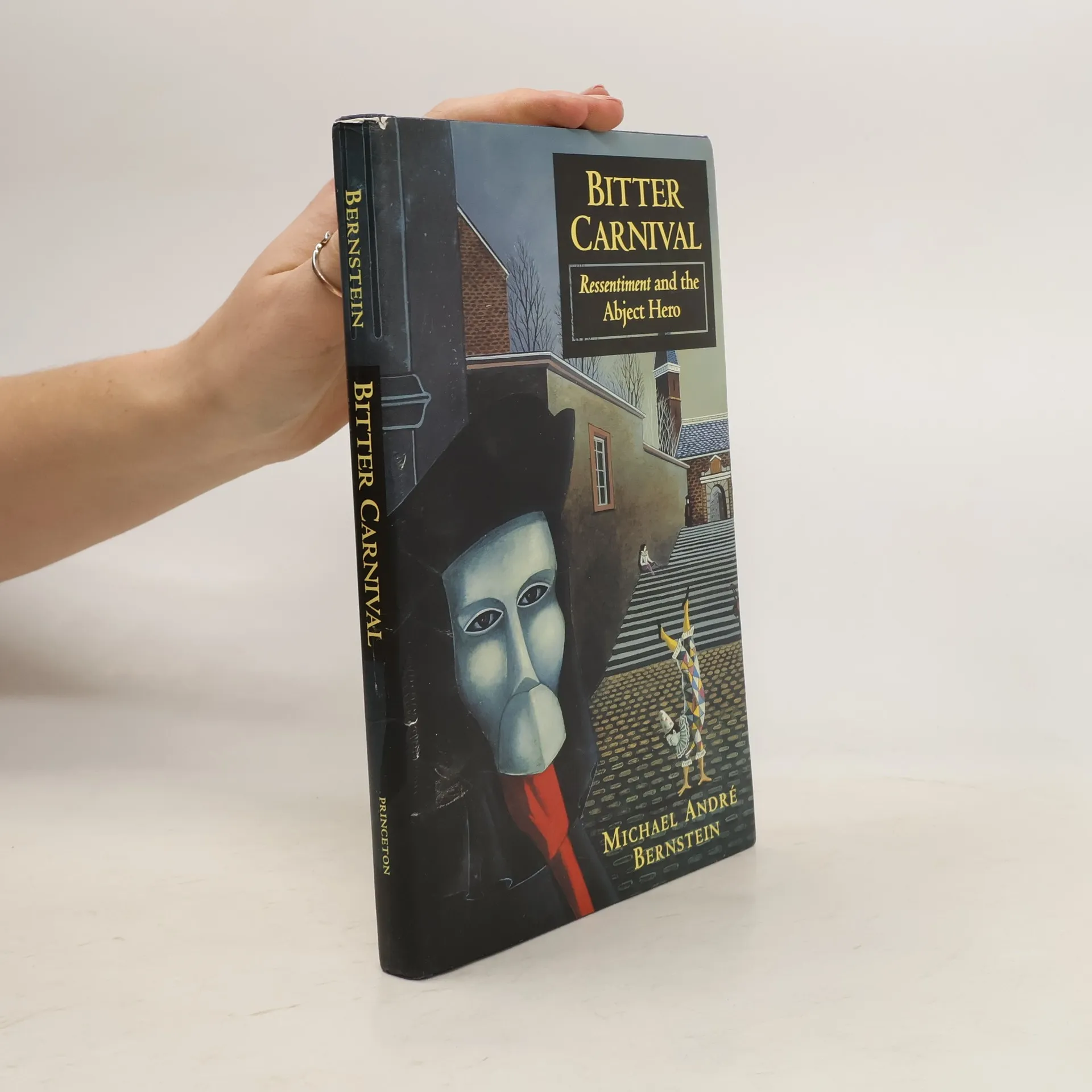
Bitter Carnival, Michael André Bernstein
- Język

- Rok wydania
- 1992
- Oprawa
- (twarda)
Metody płatności
Brakuje nam tutaj Twojej recenzji.
- Tytuł
- Bitter Carnival
- Podtytuł
- Ressentiment and the Abject Hero
- Język
- angielski
- Autorzy
- Michael André Bernstein
- Wydawca
- Princeton University Press
- Rok wydania
- 1992
- Oprawa
- twarda
- Liczba stron
- 260
- ISBN10
- 0691069395
- ISBN13
- 9780691069395
- Seria
- Kategorie
- Ocena
- 4,3 z 5
- Opis
- "You people put importance on your lives. Well, my life has never been important to anyone. I haven't got any guilt about anything," bragged mass-murderer Charles Manson. His chilling accusation highlights a societal contradiction: while we are shocked by real murderers, we are captivated when similar sentiments are expressed by fictional rebels or monsters. In Bitter Carnival, Michael Andr Bernstein delves into this contradiction, introducing the concept of the Abject Hero. This figure exists at the intersection of contestation and conformity, embodying a blend of the satanic and the servile. Bernstein argues that we romanticize the Abject Hero because he reflects a convention deeply embedded in our mythology, appealing in both mass culture and high art. His analysis spans classical Latin satire, innovative interpretations of Diderot, Dostoevsky, and Cline, and culminates in Manson's courtroom testimony. Bitter Carnival offers a revisionist perspective on the "Saturnalian dialogue" between various societal roles, challenging the perceived regenerative power of the carnivalesque and critiquing contemporary utopian radicalism. The clarity of Bernstein's arguments and literary style compel readers to confront significant dilemmas in literary studies, ethics, cultural history, and critical theory today.