


Więcej o książce
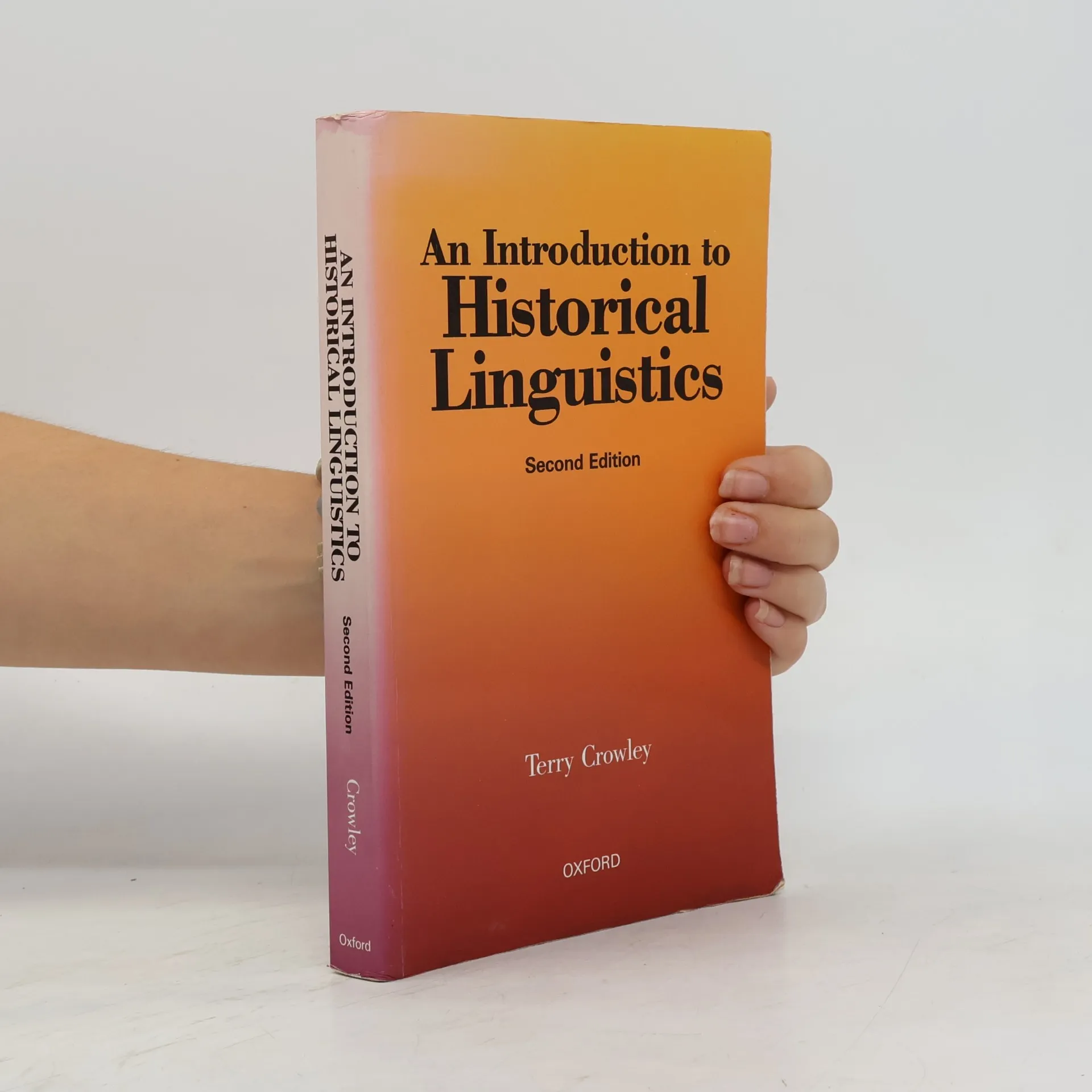
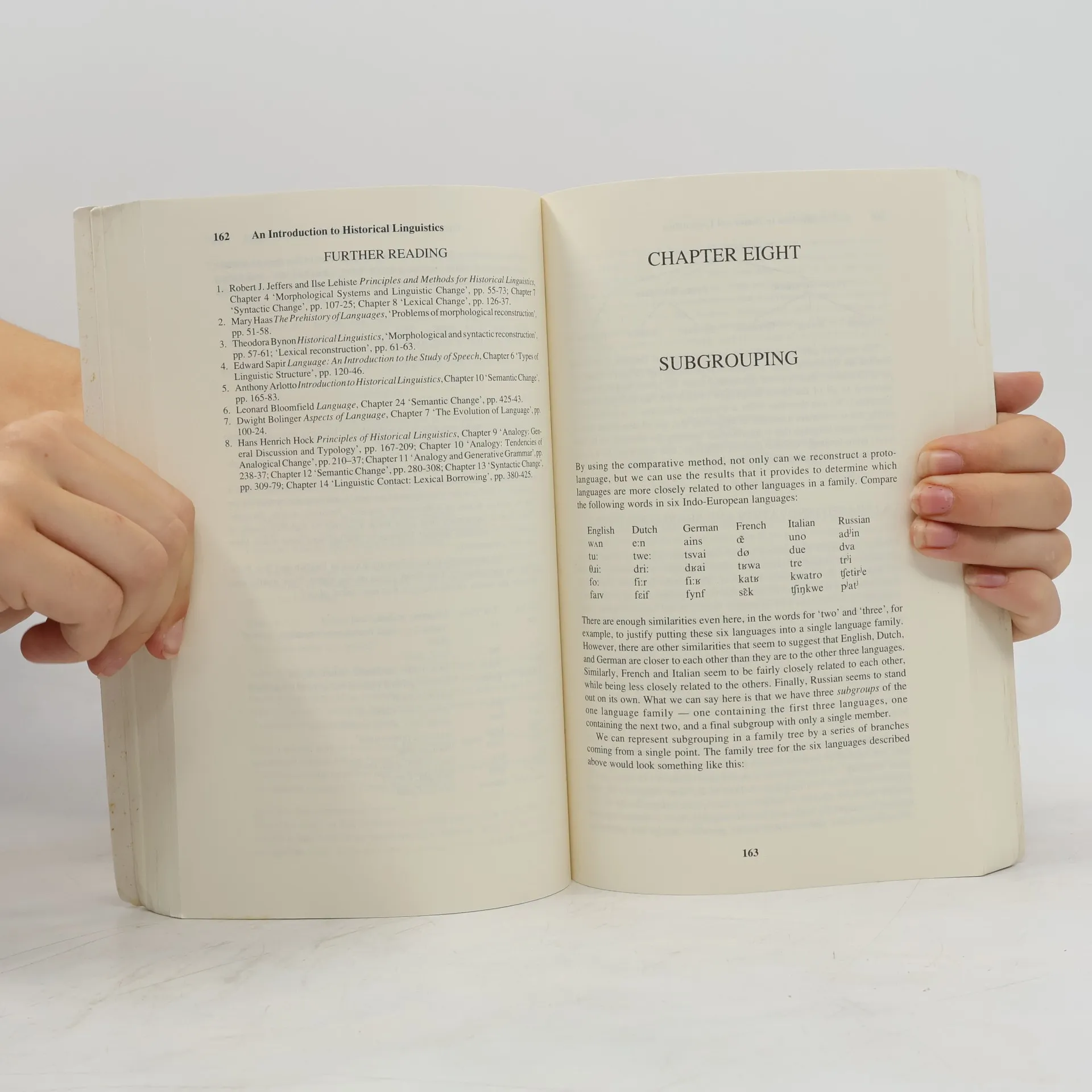
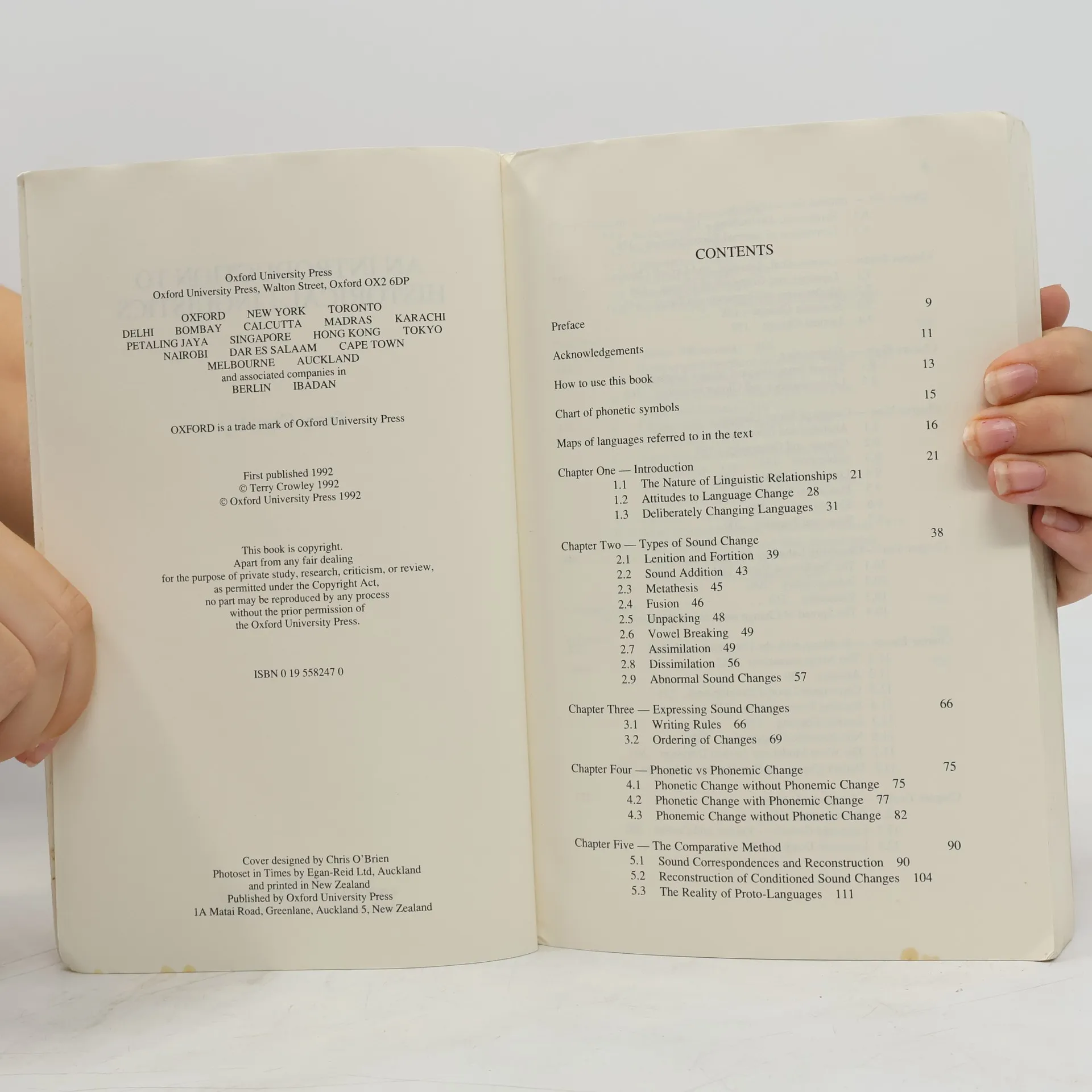
All languages change, just as other aspects of human society are constantly changing. This book is an introduction to the concepts and techniques of diachronic linguistics--the study of language change over time. It covers all the major areas of historical linguistics, presenting concepts in a clear and concise way. While examples are given from a wide range of languages, most major concepts and techniques are illustrated by material drawn from the languages of Australia and the Pacific. The needs of undergraduate students of linguistics have been kept firmly in mind, but the book will also be of interest to the general reader seeking to understand language and language change. This new edition has been substantially revised and rewritten. Further exercises have been added for student use, and there are new sections on language planning and language contact.


Zakup książki
An Introduction to Historical Linguistics - Second Edition, Terry Crowley
- Język

- Rok wydania
- 1992
- Oprawa
- (miękka)
Metody płatności
Brakuje nam tutaj Twojej recenzji.
- Tytuł
- An Introduction to Historical Linguistics - Second Edition
- Język
- angielski
- Autorzy
- Terry Crowley
- Wydawca
- Oxford University Press
- Rok wydania
- 1992
- Oprawa
- miękka
- Liczba stron
- 331
- ISBN10
- 0195582470
- ISBN13
- 9780195582475
- Seria
- Tagi
- Poradniki, Lingwistyka
- Ocena
- 3,45 z 5
- Opis
- All languages change, just as other aspects of human society are constantly changing. This book is an introduction to the concepts and techniques of diachronic linguistics--the study of language change over time. It covers all the major areas of historical linguistics, presenting concepts in a clear and concise way. While examples are given from a wide range of languages, most major concepts and techniques are illustrated by material drawn from the languages of Australia and the Pacific. The needs of undergraduate students of linguistics have been kept firmly in mind, but the book will also be of interest to the general reader seeking to understand language and language change. This new edition has been substantially revised and rewritten. Further exercises have been added for student use, and there are new sections on language planning and language contact.