



Więcej o książce
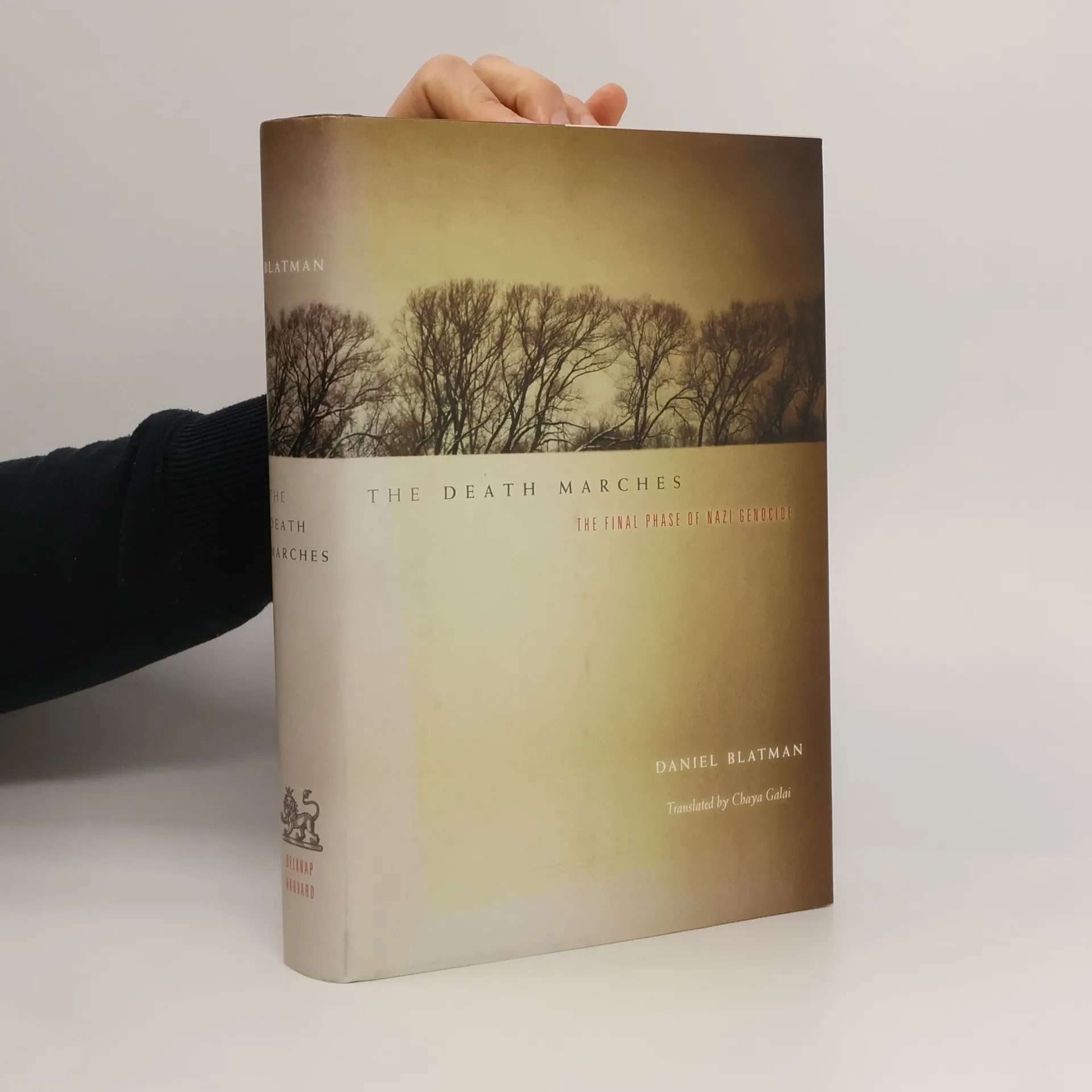
From January 1945, as the Third Reich neared its end, approximately 250,000 concentration camp inmates perished during death marches and mass executions, brutally murdered by SS guards, army and police units, and often civilians in German and Austrian towns. This final wave of violence was unprecedented in its brutality and scale. The author undertakes a comprehensive examination of this tragic chapter, utilizing testimonies from victims, perpetrators, and bystanders. Through extensive archival research, Daniel Blatman seeks to elucidate the efforts of the Nazi regime to eliminate the remnants of those deemed enemies of the “Aryan race” before its downfall. He investigates the characteristics of this last genocide, its connection to earlier mass killings in concentration camps, and how the chaos of the time facilitated this final rampage. By exploring a largely overlooked aspect of Shoah history, the work provides valuable insights into the functioning and disintegration of the Nazi regime. It intertwines micro-historical accounts of specific massacres with a broader analysis of the Third Reich's collapse, enhancing our understanding of this seemingly incomprehensible period.

Zakup książki
The Death Marches, Daniyel Blat man, Chaya Gulai
- Język

- Rok wydania
- 2010
- Oprawa
- (twarda)
Metody płatności
Brakuje nam tutaj Twojej recenzji.
- Tytuł
- The Death Marches
- Podtytuł
- The Final Phase of Nazi Genocide
- Język
- angielski
- Autorzy
- Daniyel Blat man, Chaya Gulai
- Wydawca
- Belknap Press
- Rok wydania
- 2010
- Oprawa
- twarda
- Liczba stron
- 561
- ISBN10
- 0674050495
- ISBN13
- 9780674050495
- Seria
- Oryginalna nazwa
- Tseadot ha-mawet 1944 - 1945
- Ocena
- 3,75 z 5
- Opis
- From January 1945, as the Third Reich neared its end, approximately 250,000 concentration camp inmates perished during death marches and mass executions, brutally murdered by SS guards, army and police units, and often civilians in German and Austrian towns. This final wave of violence was unprecedented in its brutality and scale. The author undertakes a comprehensive examination of this tragic chapter, utilizing testimonies from victims, perpetrators, and bystanders. Through extensive archival research, Daniel Blatman seeks to elucidate the efforts of the Nazi regime to eliminate the remnants of those deemed enemies of the “Aryan race” before its downfall. He investigates the characteristics of this last genocide, its connection to earlier mass killings in concentration camps, and how the chaos of the time facilitated this final rampage. By exploring a largely overlooked aspect of Shoah history, the work provides valuable insights into the functioning and disintegration of the Nazi regime. It intertwines micro-historical accounts of specific massacres with a broader analysis of the Third Reich's collapse, enhancing our understanding of this seemingly incomprehensible period.