


Więcej o książce
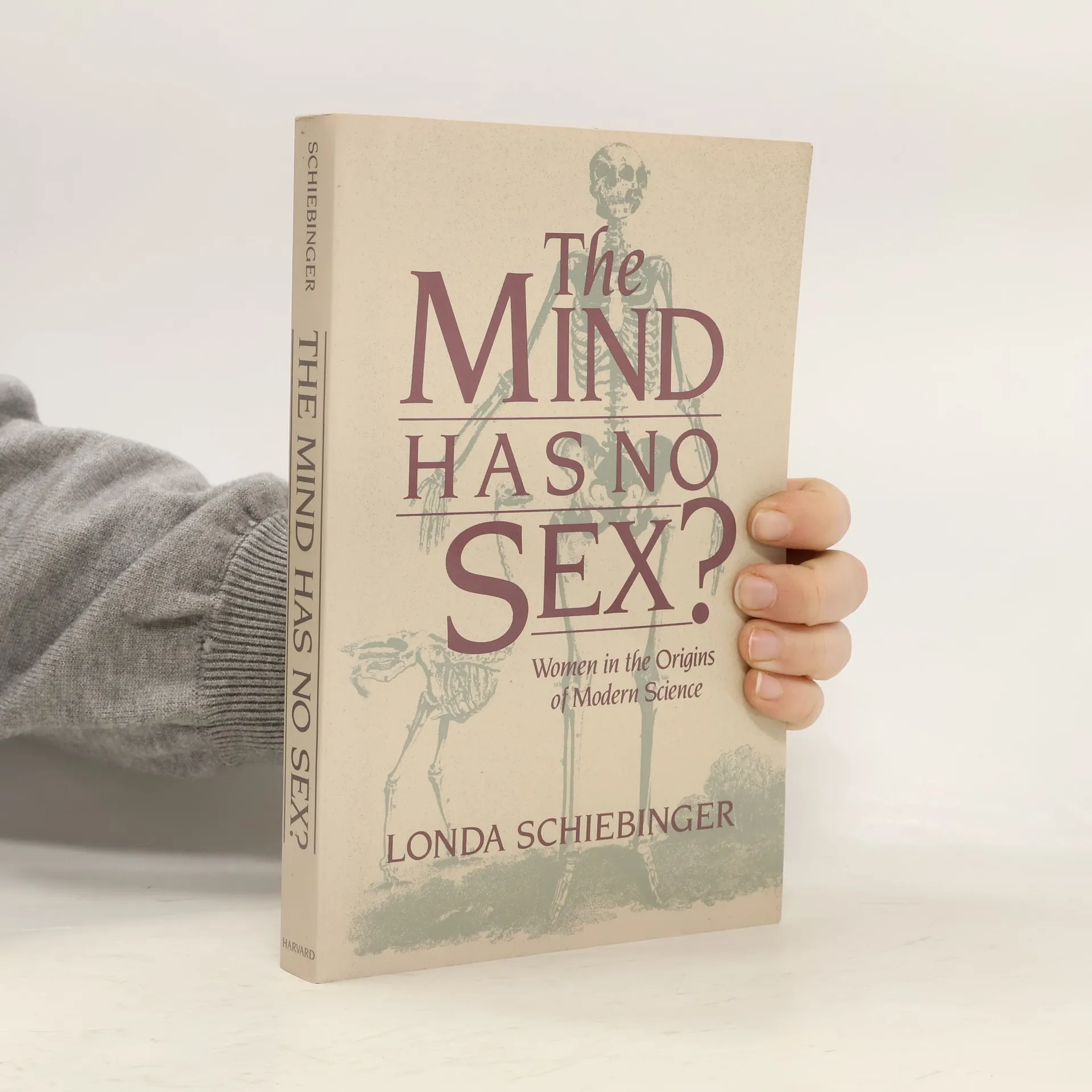
In a bid to secure women's place in scientific culture, Fran�ois Poullain de la Barre claimed in 1673 that "the mind has no sex." Londa Schiebinger's comprehensive history explores women's contributions to early modern science, highlighting the fluctuating dynamics of gender equality in intellectual spheres. She challenges the "great women" narrative, revealing broader developments in scientific culture that have been overlooked. Contrary to the belief that women were excluded from the scientific revolution, Schiebinger illustrates how trends encouraged their participation. Aristocratic women engaged in Renaissance court discourse and led salons in seventeenth-century Paris, while women from artisan backgrounds pursued research in fields like astronomy. These women fought to redefine gender roles within emerging scientific academies. However, the Enlightenment's promises remained unfulfilled, as scientific and social upheavals sidelined women and initiated a "scientific revolution in views of sexual difference." Illustrations of ideal female skeletons depicted women as suited for domesticity but inadequate in science. Concurrently, women's influence waned as midwifery and medical practices became professionalized. By the late eighteenth century, a system emerged that obscured women's inequalities. Schiebinger's work uncovers a forgotten legacy of women in science and examines the cultural forces that continue to shape scientif

Zakup książki
The Mind Has No Sex?, Londa Schiebinger
- Język

- Rok wydania
- 1991
- Oprawa
- (miękka)
Metody płatności
Brakuje nam tutaj Twojej recenzji.
- Tytuł
- The Mind Has No Sex?
- Podtytuł
- Women in the Origins of Modern Science
- Język
- angielski
- Autorzy
- Londa Schiebinger
- Wydawca
- Harvard University Press
- Rok wydania
- 1991
- Oprawa
- miękka
- Liczba stron
- 368
- ISBN10
- 067457625X
- ISBN13
- 9780674576254
- Seria
- Oryginalna nazwa
- The mind has no sex?
- Ocena
- 4 z 5
- Opis
- In a bid to secure women's place in scientific culture, Fran�ois Poullain de la Barre claimed in 1673 that "the mind has no sex." Londa Schiebinger's comprehensive history explores women's contributions to early modern science, highlighting the fluctuating dynamics of gender equality in intellectual spheres. She challenges the "great women" narrative, revealing broader developments in scientific culture that have been overlooked. Contrary to the belief that women were excluded from the scientific revolution, Schiebinger illustrates how trends encouraged their participation. Aristocratic women engaged in Renaissance court discourse and led salons in seventeenth-century Paris, while women from artisan backgrounds pursued research in fields like astronomy. These women fought to redefine gender roles within emerging scientific academies. However, the Enlightenment's promises remained unfulfilled, as scientific and social upheavals sidelined women and initiated a "scientific revolution in views of sexual difference." Illustrations of ideal female skeletons depicted women as suited for domesticity but inadequate in science. Concurrently, women's influence waned as midwifery and medical practices became professionalized. By the late eighteenth century, a system emerged that obscured women's inequalities. Schiebinger's work uncovers a forgotten legacy of women in science and examines the cultural forces that continue to shape scientif