

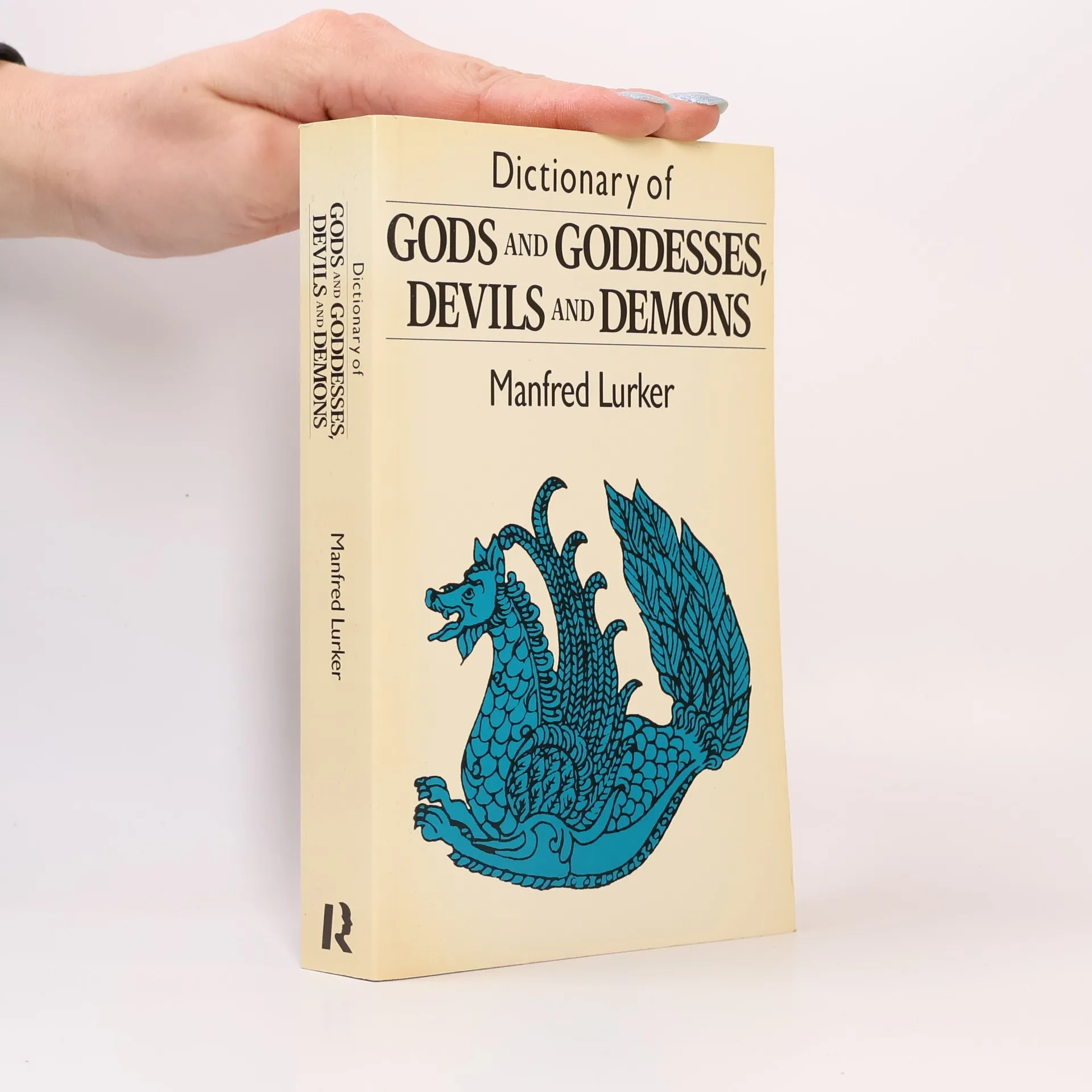

Więcej o książce
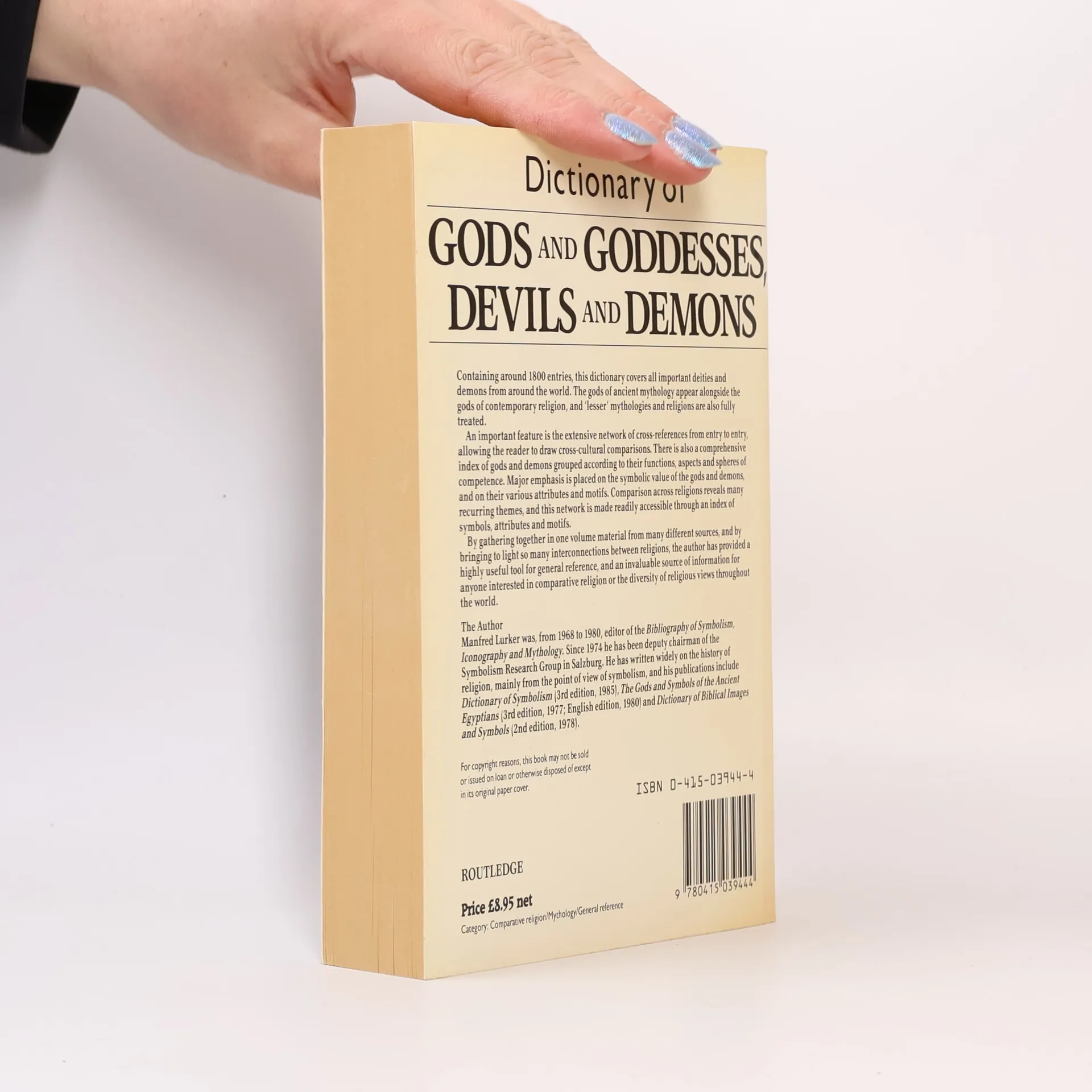
Containing around 1,800 entries this dictionary covers all important deities and demons from around the world. The gods of ancient mythology appear alongside the gods of contemporary religion, and 'lesser' mythologies and religions are also fully treated. An important feature is the extensive network of cross-references from entry to entry, allowing the reader to draw cross-culture comparisons. There is also a comprehensive index of gods and demons grouped according to their functions, aspects and spheres of competence. Major emphasis is placed on the symbolic value of the gods and demons, and on their various attributes and motifs. Comparison across religions reveals many recurring themes, and this network is made readily accessible and motifs. By gathering together in one volume material from many different sources, and by bring to light so many interconnections between religions, the author has provided a highly useful tool for general reference, and an invaluable source of information for anyone interested in comparative religion or the diversity of religious views throughout the world.

Zakup książki
Dictionary of Gods and Goddesses, Devils and Demons, Manfred Lurker
- Język

- Rok wydania
- 1987
- Oprawa
- (miękka)
Metody płatności
Brakuje nam tutaj Twojej recenzji.
- Tytuł
- Dictionary of Gods and Goddesses, Devils and Demons
- Język
- angielski
- Autorzy
- Manfred Lurker
- Wydawca
- Routledge
- Rok wydania
- 1987
- Oprawa
- miękka
- Liczba stron
- 464
- ISBN10
- 0415039444
- ISBN13
- 9780415039444
- Seria
- Ocena
- 3,6 z 5
- Opis
- Containing around 1,800 entries this dictionary covers all important deities and demons from around the world. The gods of ancient mythology appear alongside the gods of contemporary religion, and 'lesser' mythologies and religions are also fully treated. An important feature is the extensive network of cross-references from entry to entry, allowing the reader to draw cross-culture comparisons. There is also a comprehensive index of gods and demons grouped according to their functions, aspects and spheres of competence. Major emphasis is placed on the symbolic value of the gods and demons, and on their various attributes and motifs. Comparison across religions reveals many recurring themes, and this network is made readily accessible and motifs. By gathering together in one volume material from many different sources, and by bring to light so many interconnections between religions, the author has provided a highly useful tool for general reference, and an invaluable source of information for anyone interested in comparative religion or the diversity of religious views throughout the world.