

Więcej o książce
From a rebellion planned in a remote desert town to the founding of Baghdad in AD 762, the rule of the Abbasid dynasty was looked back on as the golden era of the Islamic Conquest. The Muslim world was ruled by a single sovereign, who waged war against the Byzantines and protected the holy cities of Mecca and Medina. For the last time in history, a mighty empire was based on the ancient Mesopotamian heartland that had once supported the Sumerians, Babylonians and Assyrians. Every element of his story is drawn from the original Arabic texts: 'the writers of the ninth and tenth centuries knew their rulers had their fair share of human frailties and were quite happy to describe them. To produce a sanitized and whitewashed version of history does no service to our understanding'. The rise and fall of the last great empire centred on the Tigris and Euphrates should be as well known as the histories of Ancient Greece or Rome.
Zakup książki
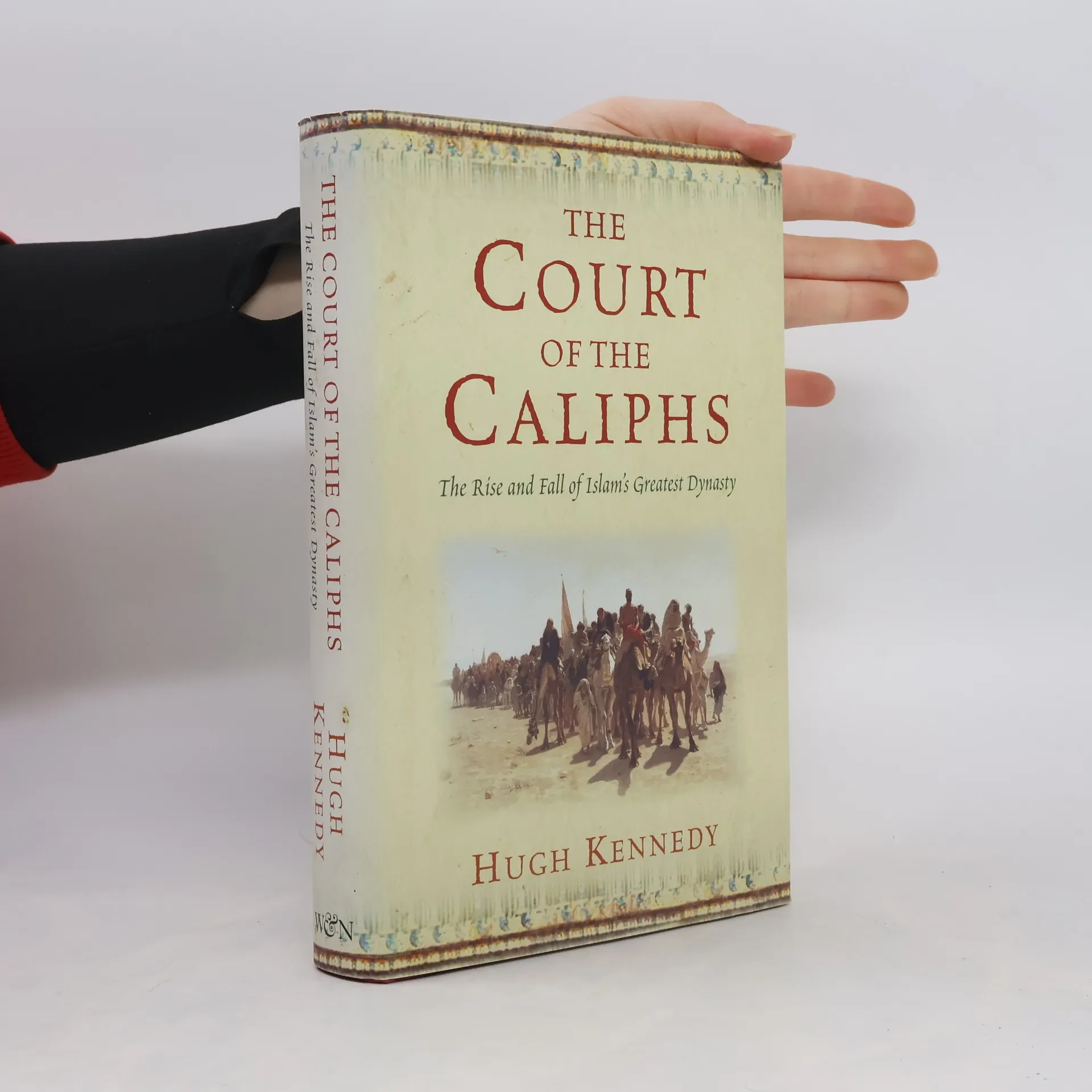
The Court of the Caliphs, Hugh Kennedy
- Język

- Rok wydania
- 2004
- Oprawa
- (twarda)
Metody płatności
Brakuje nam tutaj Twojej recenzji.
- Tytuł
- The Court of the Caliphs
- Podtytuł
- The Rise and Fall of Islam's Greatest Dynasty
- Język
- angielski
- Autorzy
- Hugh Kennedy
- Wydawca
- Weidenfeld & Nicolson
- Rok wydania
- 2004
- Oprawa
- twarda
- Liczba stron
- 326
- ISBN10
- 0297830007
- ISBN13
- 9780297830009
- Seria
- Tagi
- Tematy religijne, Polityka
- Ocena
- 3,85 z 5
- Opis
- From a rebellion planned in a remote desert town to the founding of Baghdad in AD 762, the rule of the Abbasid dynasty was looked back on as the golden era of the Islamic Conquest. The Muslim world was ruled by a single sovereign, who waged war against the Byzantines and protected the holy cities of Mecca and Medina. For the last time in history, a mighty empire was based on the ancient Mesopotamian heartland that had once supported the Sumerians, Babylonians and Assyrians. Every element of his story is drawn from the original Arabic texts: 'the writers of the ninth and tenth centuries knew their rulers had their fair share of human frailties and were quite happy to describe them. To produce a sanitized and whitewashed version of history does no service to our understanding'. The rise and fall of the last great empire centred on the Tigris and Euphrates should be as well known as the histories of Ancient Greece or Rome.