

Więcej o książce
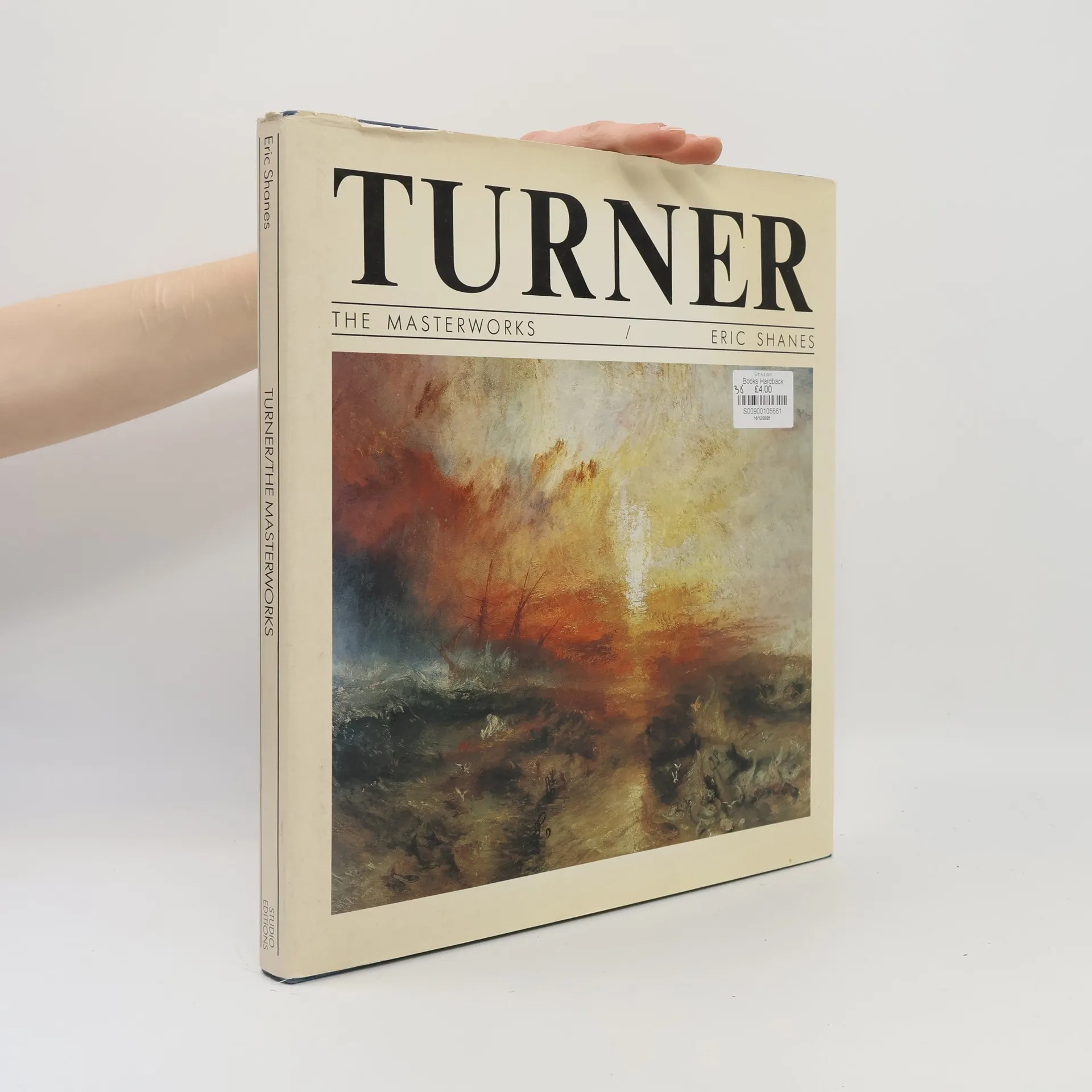
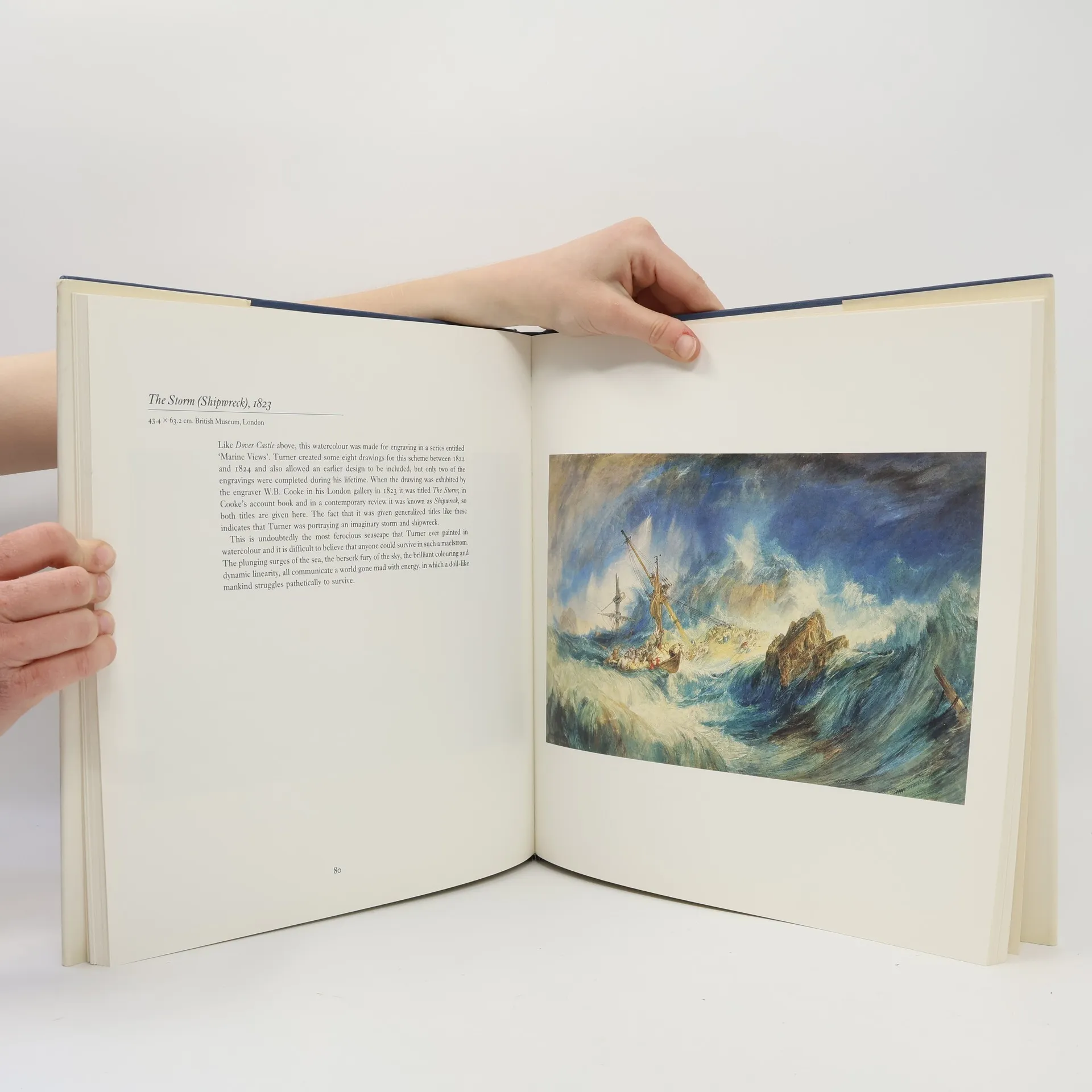
J M W Turner was a prolific master born to a barber in Covent Garden in 1775. When he died in 1851, he left over 19,000 artworks. Selecting which to include in this book was a major feat in itself. Turner was a Romantic when it came to landscapes, with an inimitable flair for seascapes, and was a pioneer of new techniques to create tone and hue, deeply impressed by Goethe's theory of colours. It took a great art critic named John Ruskin to interpret his works in full. Turner was also a successful art gallery owner, professor of the Royal Academy and tireless traveller who invariably returned home to England laden with outstanding artworks from abroad, especially Venice. With a keen eye for dramatic angle, he also documented on canvas the Battle of Waterloo, the fire that devoured Parliament and other major historical events of his time. Today his works figure in the collections of the most famous museums in London, Los Angeles, New York and Washington DC.

Zakup książki
Masterworks: Turner, Eric Shanes, Joseph Mallord William Turner
- Język

- Rok wydania
- 1990
- Oprawa
- (twarda)
Metody płatności
Brakuje nam tutaj Twojej recenzji.
- Tytuł
- Masterworks: Turner
- Język
- angielski
- Wydawca
- Studio Editions
- Rok wydania
- 1990
- Oprawa
- twarda
- Liczba stron
- 144
- ISBN10
- 1851704485
- ISBN13
- 9781851704484
- Seria
- Tagi
- Sztuki piękne, Sztuka, XIX wiek, Anglia
- Ocena
- 4 z 5
- Opis
- J M W Turner was a prolific master born to a barber in Covent Garden in 1775. When he died in 1851, he left over 19,000 artworks. Selecting which to include in this book was a major feat in itself. Turner was a Romantic when it came to landscapes, with an inimitable flair for seascapes, and was a pioneer of new techniques to create tone and hue, deeply impressed by Goethe's theory of colours. It took a great art critic named John Ruskin to interpret his works in full. Turner was also a successful art gallery owner, professor of the Royal Academy and tireless traveller who invariably returned home to England laden with outstanding artworks from abroad, especially Venice. With a keen eye for dramatic angle, he also documented on canvas the Battle of Waterloo, the fire that devoured Parliament and other major historical events of his time. Today his works figure in the collections of the most famous museums in London, Los Angeles, New York and Washington DC.