

Parametry
- 800 stron
- 28 godzin czytania
Więcej o książce
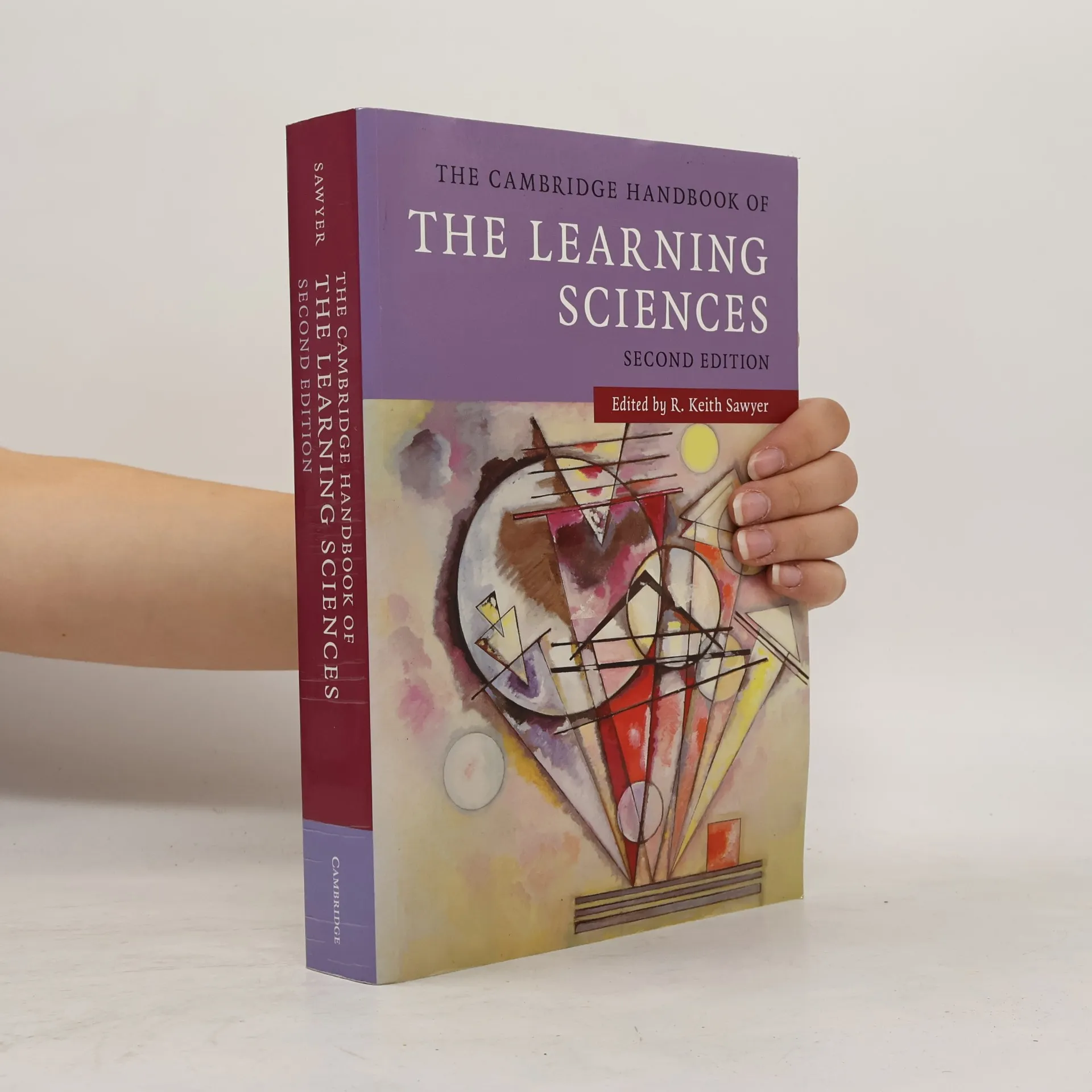
The interdisciplinary field of the learning sciences encompasses educational psychology, cognitive science, computer science, and anthropology, among other disciplines. The Cambridge Handbook of the Learning Sciences, first published in 2006, is the definitive introduction to this innovative approach to teaching, learning, and educational technology. In this dramatically revised second edition, leading scholars incorporate the latest research to provide practical advice on a wide range of issues. The authors address the best ways to write textbooks, design educational software, prepare effective teachers, organize classrooms, and use the Internet to enhance student learning. They illustrate the importance of creating productive learning environments both inside and outside school, including after school clubs, libraries, and museums. Accessible and engaging, the Handbook has proven to be an essential resource for graduate students, researchers, teachers, administrators, consultants, software designers, and policy makers on a global scale.


Zakup książki
The Cambridge Handbook of the Learning Sciences, R. Keith Sawyer
- Język

- Rok wydania
- 2014
- Oprawa
- (miękka)
Metody płatności
Brakuje nam tutaj Twojej recenzji.
- Tytuł
- The Cambridge Handbook of the Learning Sciences
- Język
- angielski
- Autorzy
- R. Keith Sawyer
- Wydawca
- Cambridge University Press
- Rok wydania
- 2014
- Oprawa
- miękka
- Liczba stron
- 800
- ISBN10
- 1107626579
- ISBN13
- 9781107626577
- Kategorie
- Tagi
- Podręczniki, Tematyka psychologiczna, Poradniki, USA, Edukacja & Szkolnictwo, Psychologia edukacyjna, Aspekty społeczne
- Ocena
- 4,15 z 5
- Opis
- The interdisciplinary field of the learning sciences encompasses educational psychology, cognitive science, computer science, and anthropology, among other disciplines. The Cambridge Handbook of the Learning Sciences, first published in 2006, is the definitive introduction to this innovative approach to teaching, learning, and educational technology. In this dramatically revised second edition, leading scholars incorporate the latest research to provide practical advice on a wide range of issues. The authors address the best ways to write textbooks, design educational software, prepare effective teachers, organize classrooms, and use the Internet to enhance student learning. They illustrate the importance of creating productive learning environments both inside and outside school, including after school clubs, libraries, and museums. Accessible and engaging, the Handbook has proven to be an essential resource for graduate students, researchers, teachers, administrators, consultants, software designers, and policy makers on a global scale.