

Parametry
Więcej o książce
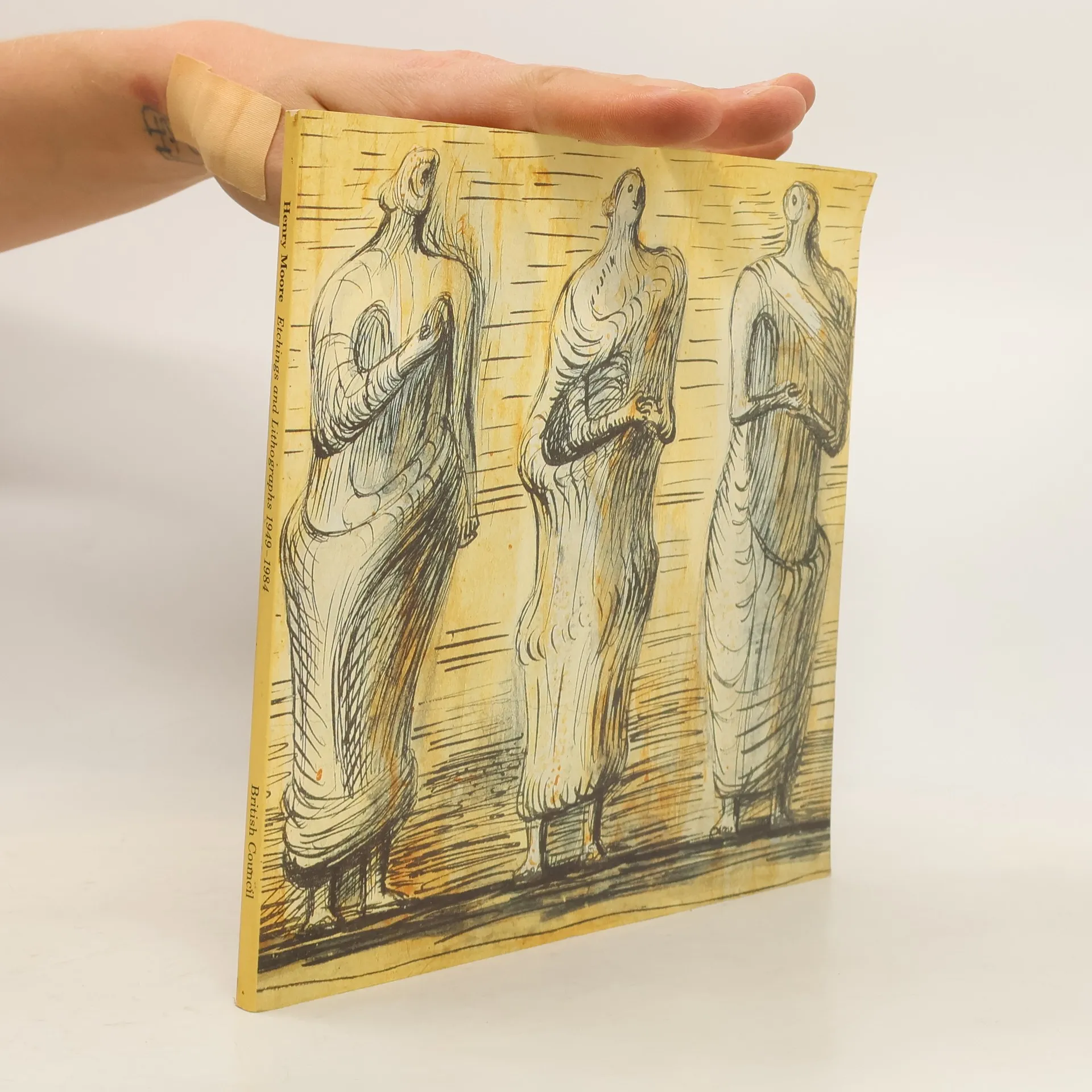
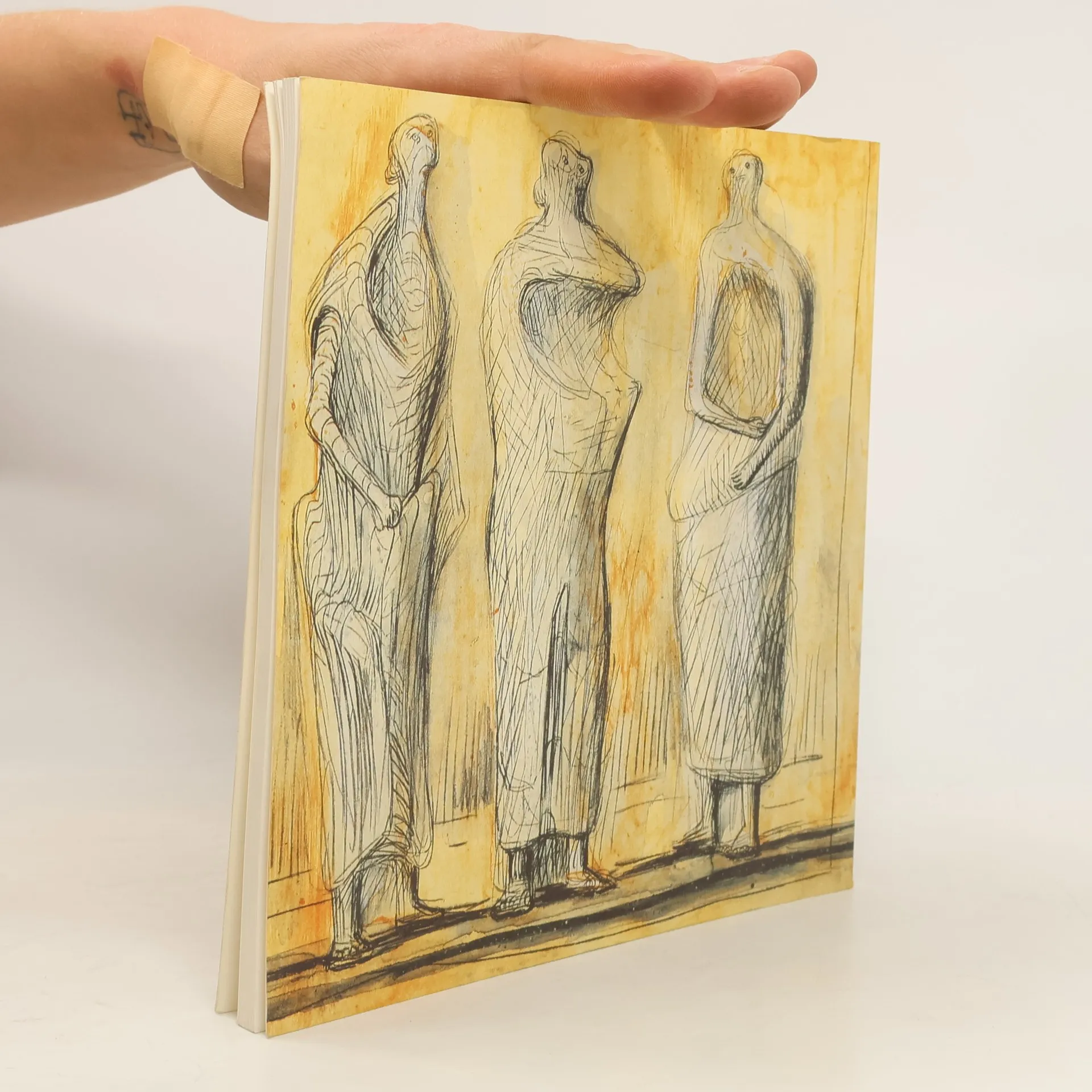
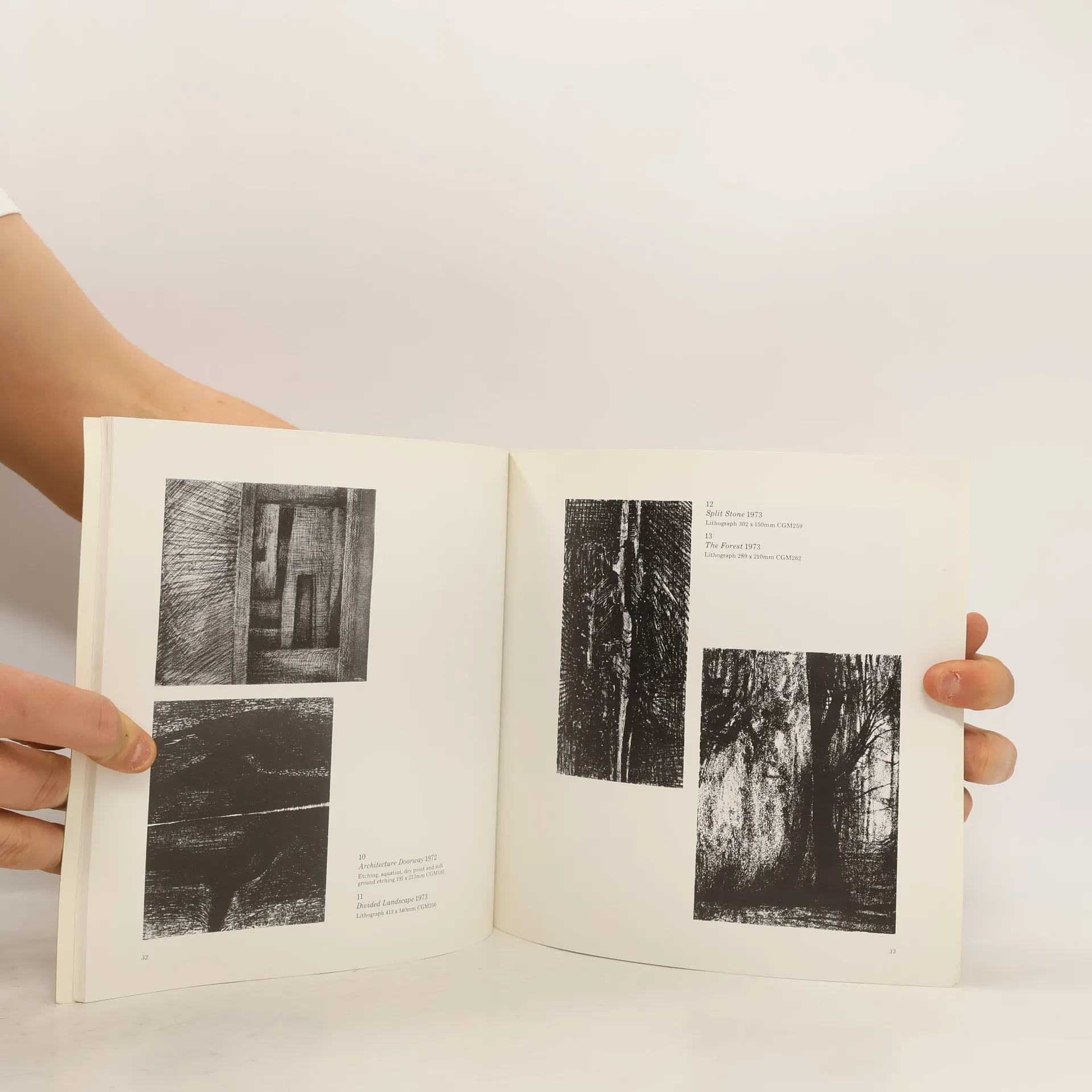
Focusing on Henry Moore’s early and mid-career, this thorough and perceptive reassessment reinstates the sculptor as a key figure in international modernism. The scale of Henry Moore’s success in later life has tended to obscure the radical nature of his achievement. This book reexamines his importance, concentrating on the period from the 1920s through the early 1960s. Moore’s life and work are introduced by Chris Stephens, a leading authority on both Moore and the British scene of this period. Separate essays explore the origins of his vision and his engagement with Primitivism in the 1920s; his relationships in the 1930s with both British and international avant-garde figures, including Naum Gabo, Alberto Giacometti, and Pablo Picasso; his move to Perry Green in Hertfordshire during the Blitz and the subsequent founding of the Henry Moore Foundation; and his lasting influence on British art following his death. Uniquely, the book includes statements by living artists on the importance of Moore to their own work, as well as a photo-essay and an illustrated chronology, bringing this account of Moore’s legacy up to present day.

Zakup książki
Henry Moore, kolektiv
- Język

- Rok wydania
- 1989
- Oprawa
- (miękka)
Metody płatności
Nikt jeszcze nie ocenił.
- Tytuł
- Henry Moore
- Podtytuł
- Etchings and Lithographs, 1949-84
- Język
- angielski
- Autorzy
- kolektiv
- Wydawca
- British Council
- Rok wydania
- 1989
- Oprawa
- miękka
- ISBN10
- 0863550665
- ISBN13
- 9780863550669
- Seria
- Kategorie
- Tagi
- Sztuka
- Opis
- Focusing on Henry Moore’s early and mid-career, this thorough and perceptive reassessment reinstates the sculptor as a key figure in international modernism. The scale of Henry Moore’s success in later life has tended to obscure the radical nature of his achievement. This book reexamines his importance, concentrating on the period from the 1920s through the early 1960s. Moore’s life and work are introduced by Chris Stephens, a leading authority on both Moore and the British scene of this period. Separate essays explore the origins of his vision and his engagement with Primitivism in the 1920s; his relationships in the 1930s with both British and international avant-garde figures, including Naum Gabo, Alberto Giacometti, and Pablo Picasso; his move to Perry Green in Hertfordshire during the Blitz and the subsequent founding of the Henry Moore Foundation; and his lasting influence on British art following his death. Uniquely, the book includes statements by living artists on the importance of Moore to their own work, as well as a photo-essay and an illustrated chronology, bringing this account of Moore’s legacy up to present day.