

Parametry
- 352 strony
- 13 godzin czytania
Więcej o książce
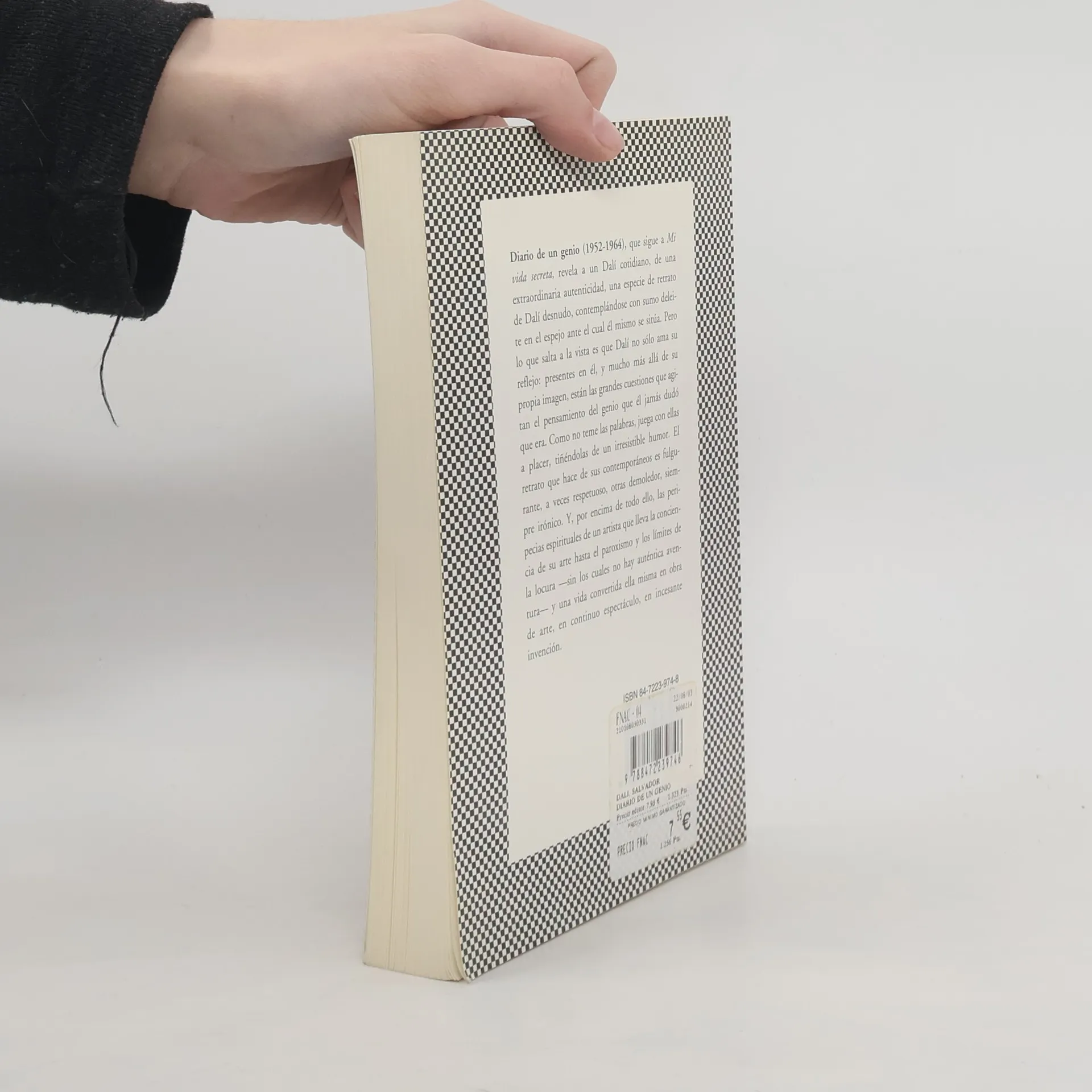
Diary of a Genius stands as one of the seminal texts of Surrealism, revealing the most astonishing and intimate workings of the mind of Salvador Dalí, the eccentric polymath genius who became the living embodiment of Surrealism, the 20th century's most intensely subversive,disturbing and influential art movement. Dalí's second volume of autobiography, Diary of a Genius covers his life from 1952 to 1963, during which years we learn of his amour fou for his wife Gala, and their relationship both at home in Cadaqués and during bizarre world travels. We also learn how Dalí draws inspiration from excrement, rotten fish and Vermeer's Lacemaker to enter his "rhinocerontic" period, preaching his post-holocaustal gospels of nuclear mysticism and cosmogenic atavism; and we follow the labyrinthine mental journeys that lead to the creation of such paintings as the Assumption , and his film script The Flesh Wheelbarrow . This new expanded edition includes a brilliant and revelatory essay on Salvador Dalí, and the importance of his art to the 20th century, by the author J. G. Ballard.


Zakup książki
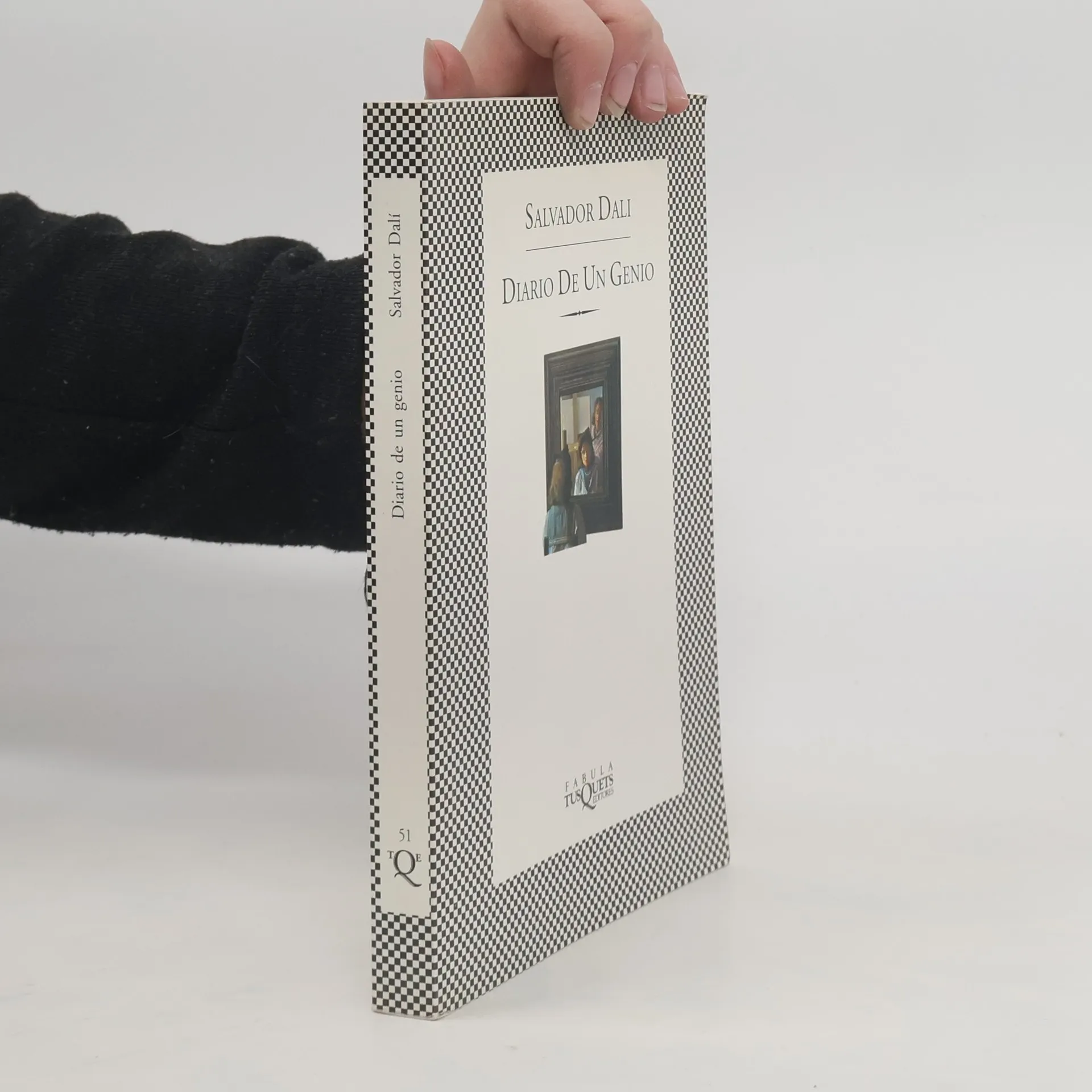
Fabula - 51: Diario de un genio, Salvador Dalí
- Język

- Rok wydania
- 1996
- Oprawa
- (miękka)
Metody płatności
Brakuje nam tutaj Twojej recenzji.
- Tytuł
- Fabula - 51: Diario de un genio
- Język
- hiszpański
- Autorzy
- Salvador Dalí
- Wydawca
- Tusquets
- Rok wydania
- 1996
- Oprawa
- miękka
- Liczba stron
- 352
- ISBN10
- 8472239748
- ISBN13
- 9788472239746
- Seria
- Kategorie
- Pierwsze wydanie
- 1980
- Oryginalna nazwa
- Salvador Dalí Journal d´un génie
- Ocena
- 3,8 z 5
- Opis
- Diary of a Genius stands as one of the seminal texts of Surrealism, revealing the most astonishing and intimate workings of the mind of Salvador Dalí, the eccentric polymath genius who became the living embodiment of Surrealism, the 20th century's most intensely subversive,disturbing and influential art movement. Dalí's second volume of autobiography, Diary of a Genius covers his life from 1952 to 1963, during which years we learn of his amour fou for his wife Gala, and their relationship both at home in Cadaqués and during bizarre world travels. We also learn how Dalí draws inspiration from excrement, rotten fish and Vermeer's Lacemaker to enter his "rhinocerontic" period, preaching his post-holocaustal gospels of nuclear mysticism and cosmogenic atavism; and we follow the labyrinthine mental journeys that lead to the creation of such paintings as the Assumption , and his film script The Flesh Wheelbarrow . This new expanded edition includes a brilliant and revelatory essay on Salvador Dalí, and the importance of his art to the 20th century, by the author J. G. Ballard.