

Więcej o książce
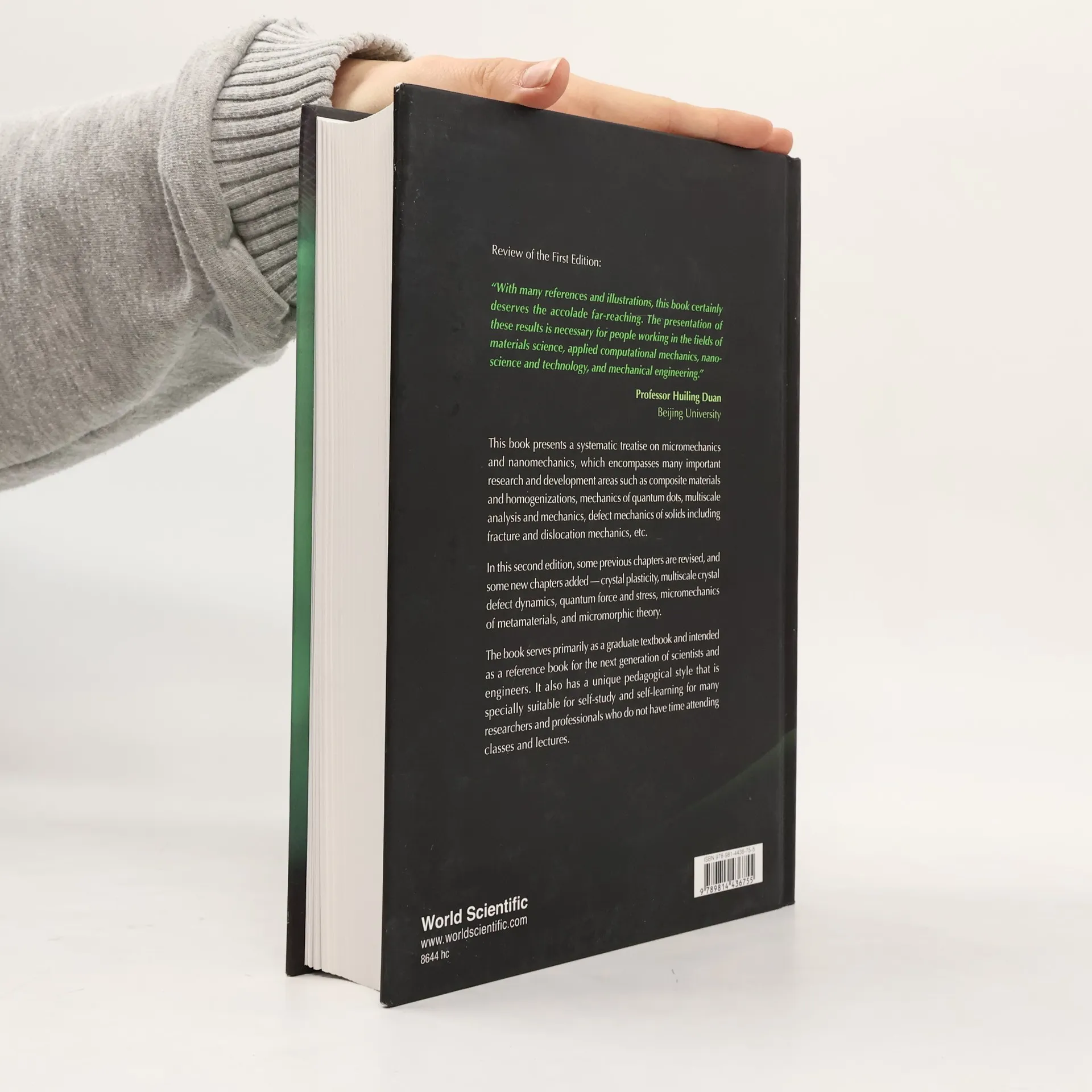
This book presents a systematic treatise on micromechanics and nanomechanics, which encompasses many important research and development areas such as composite materials and homogenizations, mechanics of quantum dots, multiscale analysis and mechanics, defect mechanics of solids including fracture and dislocation mechanics, etc.In this second edition, some previous chapters are revised, and some new chapters added — crystal plasticity, multiscale crystal defect dynamics, quantum force and stress, micromechanics of metamaterials, and micromorphic theory.The book serves primarily as a graduate textbook and intended as a reference book for the next generation of scientists and engineers. It also has a unique pedagogical style that is specially suitable for self-study and self-learning for many researchers and professionals who do not have time attending classes and lectures.


Zakup książki
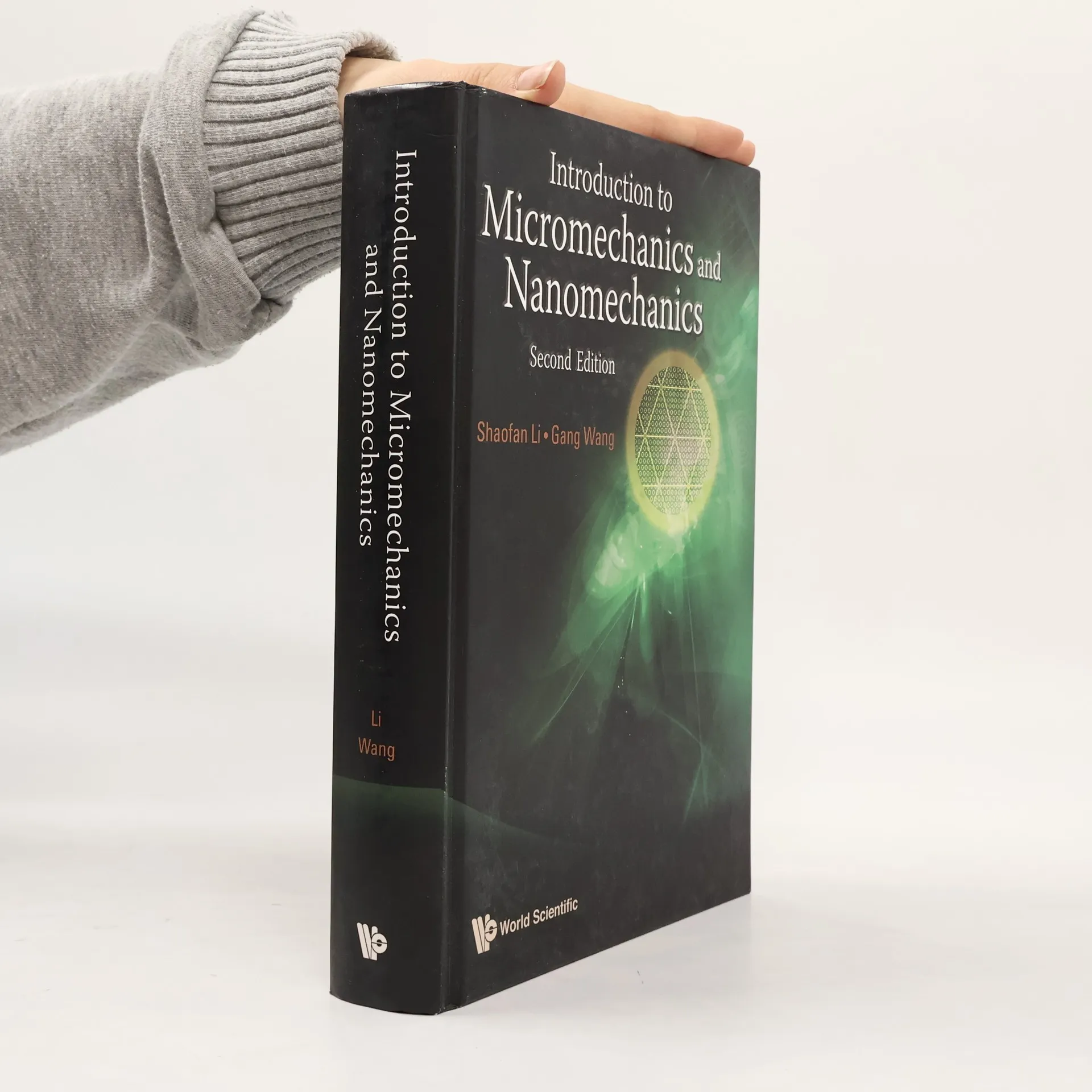
Introduction to Micromechanics and Nanomechanics, Shaofan Li, Gang Wang
- Język

- Rok wydania
- 2017
- Oprawa
- (twarda)
Metody płatności
Nikt jeszcze nie ocenił.
- Tytuł
- Introduction to Micromechanics and Nanomechanics
- Podtytuł
- Second Edition
- Język
- angielski
- Autorzy
- Shaofan Li, Gang Wang
- Rok wydania
- 2017
- Oprawa
- twarda
- Liczba stron
- 660
- ISBN10
- 9814436755
- ISBN13
- 9789814436755
- Seria
- Kategorie
- Tagi
- Podręczniki, Technologia, Literatura fachowa, Azja, Inżynieria, Mechanika, Nanotechnologia, Mechanika pęknięć
- Opis
- This book presents a systematic treatise on micromechanics and nanomechanics, which encompasses many important research and development areas such as composite materials and homogenizations, mechanics of quantum dots, multiscale analysis and mechanics, defect mechanics of solids including fracture and dislocation mechanics, etc.In this second edition, some previous chapters are revised, and some new chapters added — crystal plasticity, multiscale crystal defect dynamics, quantum force and stress, micromechanics of metamaterials, and micromorphic theory.The book serves primarily as a graduate textbook and intended as a reference book for the next generation of scientists and engineers. It also has a unique pedagogical style that is specially suitable for self-study and self-learning for many researchers and professionals who do not have time attending classes and lectures.