

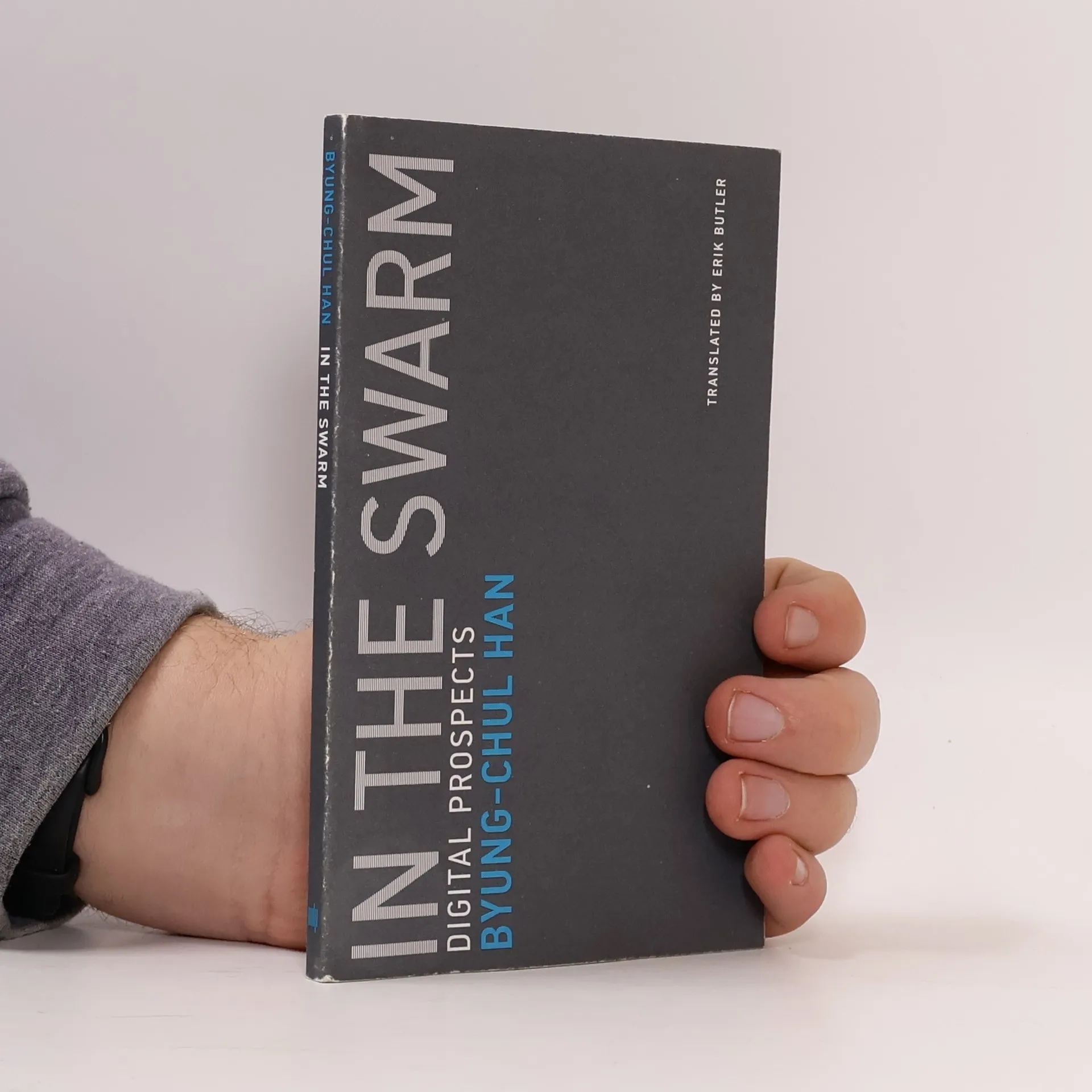
Parametry
- 104 strony
- 4 godziny czytania
Więcej o książce
Digital communication and social media have profoundly impacted our lives. In a contrarian reflection on this digitized existence, Byung-Chul Han challenges the enthusiasm for Twitter revolutions and Facebook activism, arguing that such communication is dismantling community and public space, ultimately undermining genuine political action and discourse. In the analog era, the process of composing and sending a letter to the editor allowed time for reflection, but today’s digital landscape fosters immediate, impulsive reactions aimed at inciting outrage. This has transformed the public into a digital swarm—isolated individuals who struggle to form a collective identity or challenge prevailing power structures, fixated on the present rather than envisioning a future. The digital swarm is fragmented, often reducing individuals to mere objects of scandal. Han, a prominent European philosopher, illustrates a society where information overwhelms thought, with similar algorithms used across platforms like Facebook, the stock market, and intelligence agencies. Democracy faces a perilous threat as digital communication blurs the lines between freedom and control, marking the transition from Big Brother to Big Data.

Zakup książki
Untimely Meditations - 3: In the Swarm, Han Byung Chul, Erik Butler
- Język

- Rok wydania
- 2017
- Oprawa
- (miękka)
Metody płatności
Brakuje nam tutaj Twojej recenzji.
- Tytuł
- Untimely Meditations - 3: In the Swarm
- Podtytuł
- Digital Prospects
- Język
- angielski
- Autorzy
- Han Byung Chul, Erik Butler
- Wydawca
- MIT Press
- Rok wydania
- 2017
- Oprawa
- miękka
- Liczba stron
- 104
- ISBN10
- 0262533367
- ISBN13
- 9780262533362
- Seria
- Kategorie
- Tagi
- Tematyka psychologiczna, Tematyka filozoficzna, Polityka, Technologia, Walka o władzę, Nadzór & Monitorowanie
- Ocena
- 3,8 z 5
- Opis
- Digital communication and social media have profoundly impacted our lives. In a contrarian reflection on this digitized existence, Byung-Chul Han challenges the enthusiasm for Twitter revolutions and Facebook activism, arguing that such communication is dismantling community and public space, ultimately undermining genuine political action and discourse. In the analog era, the process of composing and sending a letter to the editor allowed time for reflection, but today’s digital landscape fosters immediate, impulsive reactions aimed at inciting outrage. This has transformed the public into a digital swarm—isolated individuals who struggle to form a collective identity or challenge prevailing power structures, fixated on the present rather than envisioning a future. The digital swarm is fragmented, often reducing individuals to mere objects of scandal. Han, a prominent European philosopher, illustrates a society where information overwhelms thought, with similar algorithms used across platforms like Facebook, the stock market, and intelligence agencies. Democracy faces a perilous threat as digital communication blurs the lines between freedom and control, marking the transition from Big Brother to Big Data.