

Więcej o książce
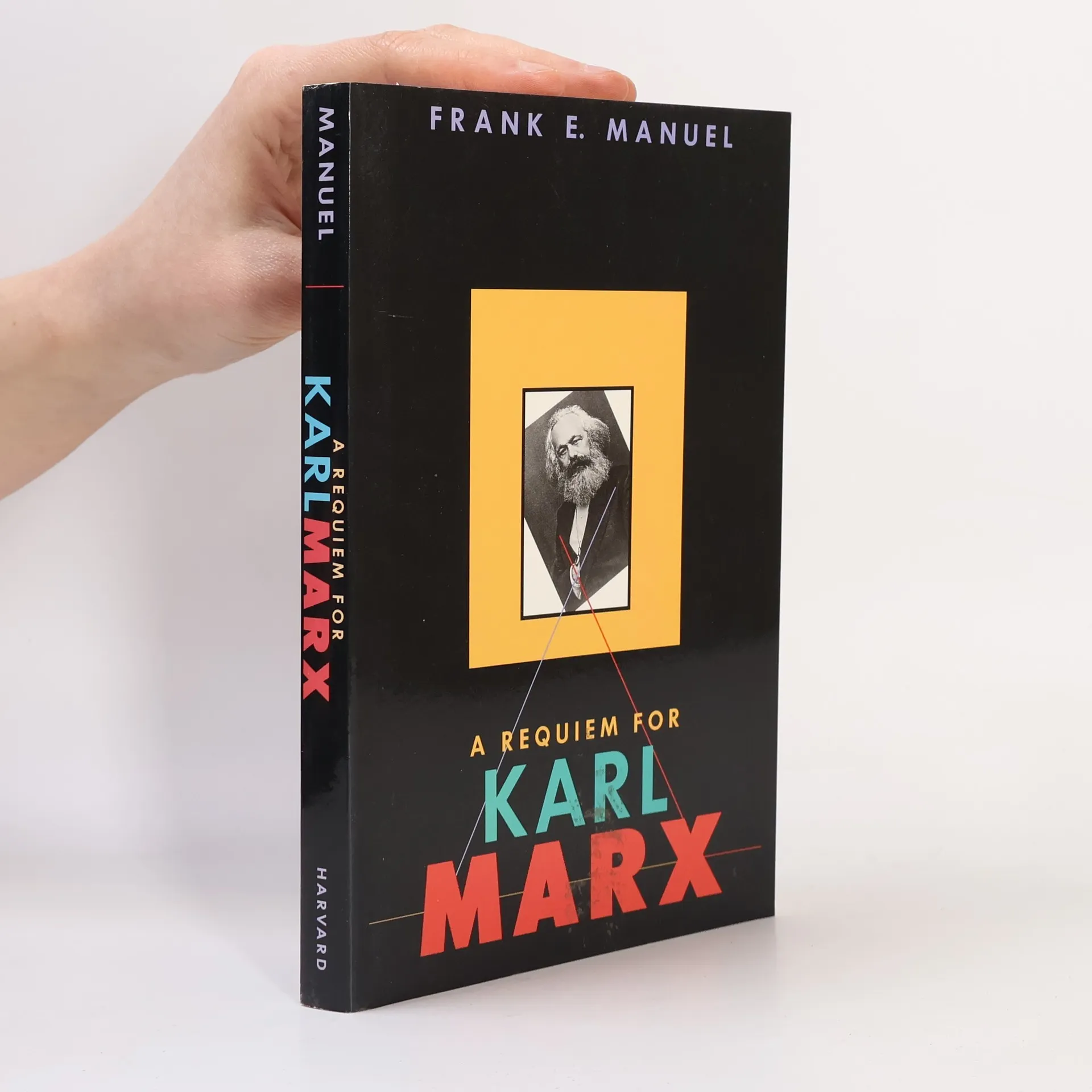
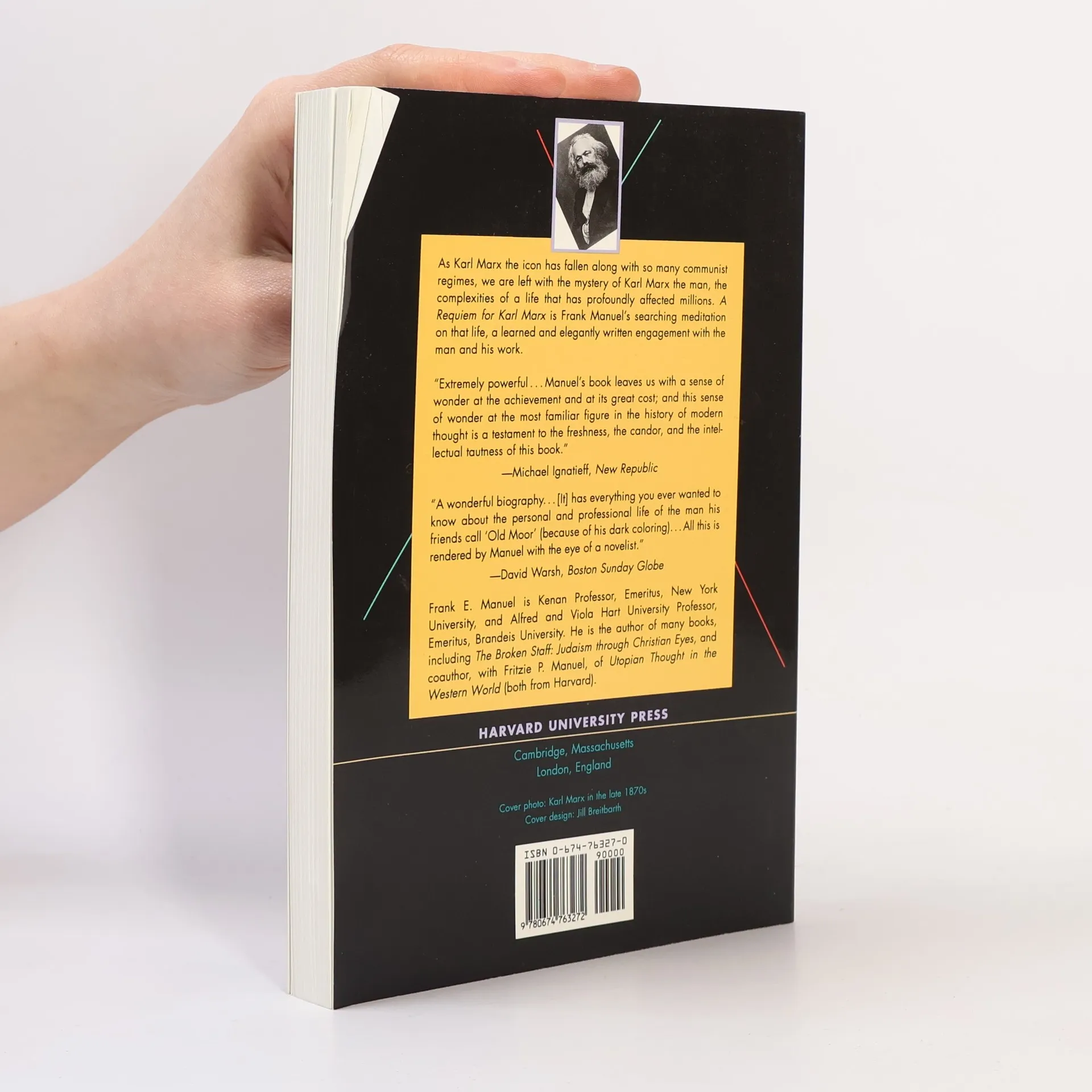
As the icon of Karl Marx fades alongside many communist regimes, we are left to explore the complexities of his life, which has profoundly influenced millions. Frank Manuel's meditation delves into Marx's existence, offering a psychological portrait that balances sympathy with critical analysis. He examines the connections between Marx's private experiences and his revolutionary ideas, tracing his journey from adolescence in Trier through university, his marriage to a German baroness, and early ties with radical groups in France and Germany. Readers witness Marx in moments of youthful enthusiasm, despair, hypocrisy, and self-mockery. The narrative reveals his struggles with his identity as a converted Jew, the toll of chronic illness, and the often brutal dynamics in his relationships. Manuel intricately analyzes Marx's enduring partnership with Friedrich Engels, which transcends mere friendship, and his complex interactions with his wife, Jenny, a tragic figure who endured their dismal life in London. Ultimately, the narrative underscores the profound links between Marx's personal experiences and his theories on class struggle, revolutionary tactics, and utopia, as well as the lasting impact of his vision on subsequent political movements.

Zakup książki
A Requiem for Karl Marx, Frank Edward Manuel
- Język

- Rok wydania
- 1997
- Oprawa
- (miękka)
Metody płatności
Brakuje nam tutaj Twojej recenzji.
- Tytuł
- A Requiem for Karl Marx
- Język
- angielski
- Autorzy
- Frank Edward Manuel
- Wydawca
- Harvard University Press
- Rok wydania
- 1997
- Oprawa
- miękka
- Liczba stron
- 272
- ISBN10
- 0674763270
- ISBN13
- 9780674763272
- Seria
- Ocena
- 3,25 z 5
- Opis
- As the icon of Karl Marx fades alongside many communist regimes, we are left to explore the complexities of his life, which has profoundly influenced millions. Frank Manuel's meditation delves into Marx's existence, offering a psychological portrait that balances sympathy with critical analysis. He examines the connections between Marx's private experiences and his revolutionary ideas, tracing his journey from adolescence in Trier through university, his marriage to a German baroness, and early ties with radical groups in France and Germany. Readers witness Marx in moments of youthful enthusiasm, despair, hypocrisy, and self-mockery. The narrative reveals his struggles with his identity as a converted Jew, the toll of chronic illness, and the often brutal dynamics in his relationships. Manuel intricately analyzes Marx's enduring partnership with Friedrich Engels, which transcends mere friendship, and his complex interactions with his wife, Jenny, a tragic figure who endured their dismal life in London. Ultimately, the narrative underscores the profound links between Marx's personal experiences and his theories on class struggle, revolutionary tactics, and utopia, as well as the lasting impact of his vision on subsequent political movements.