



Więcej o książce
Wolves excitedly greet each other as members of the pack come together; a bumble bee uses its long tongue to reach the nectar at the base of a foxglove flower; a mongoose swiftly and deftly bites its prey to death; young cheetahs rest quietly together, very close to sleep. This book provides a beautifully written introduction to the fundamentals of animal behavior. Tinbergen's four questions of causation, evolution, development, and function form the fundamental framework of the text, illustrated with fascinating examples of complex behavioral mechanisms. The authors provide accounts of all levels of behavior from the nerve cell to that of the population. The strengths of this textbook include its clear explanations and concise, readable text and the enthusiasm of the authors for their subject.

Zakup książki
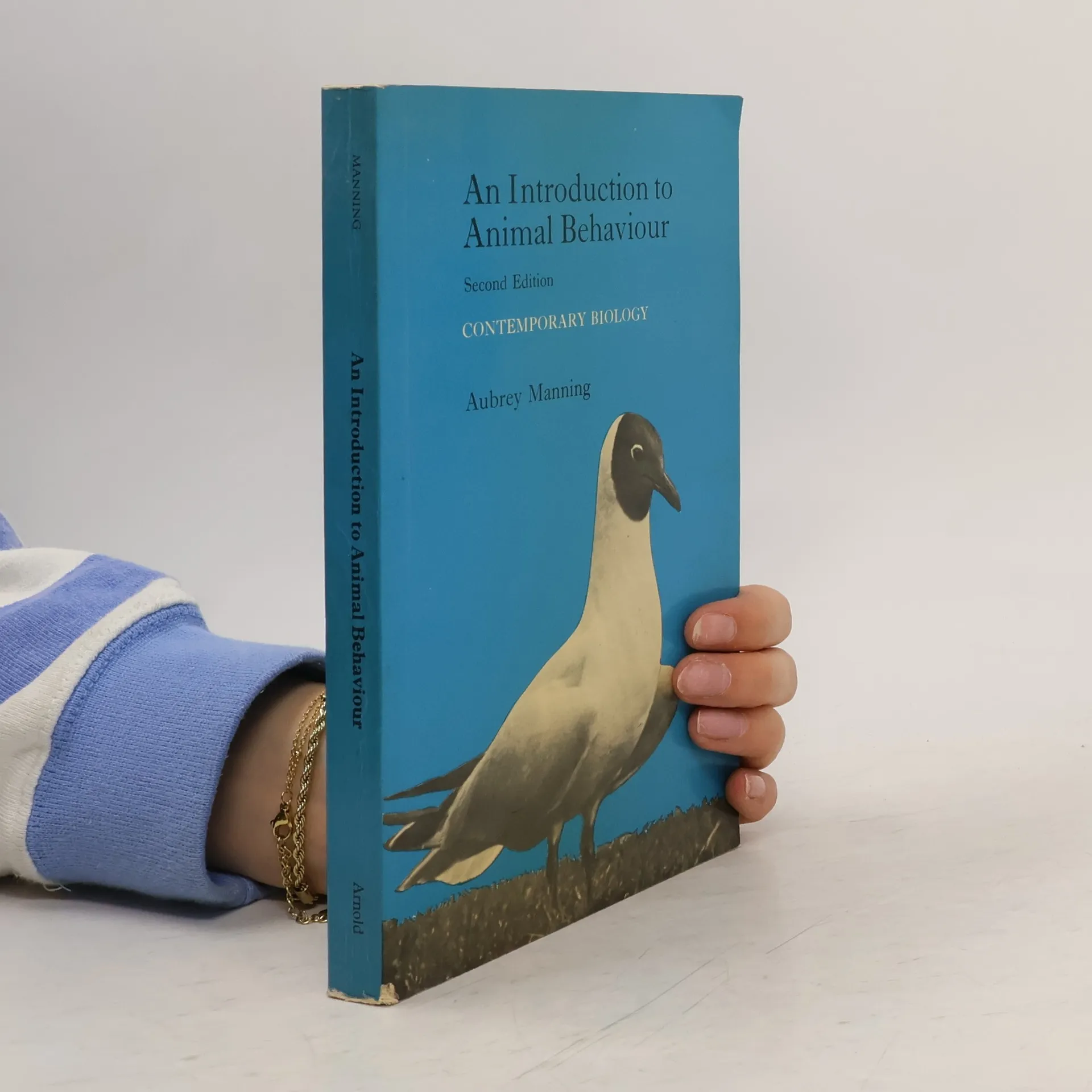
An Introduction to Animal Behaviour - Second Edition, Professor Aubrey Manning
- Język

- Rok wydania
- 1972
- Oprawa
- (miękka)
Metody płatności
Brakuje nam tutaj Twojej recenzji.
- Tytuł
- An Introduction to Animal Behaviour - Second Edition
- Język
- angielski
- Autorzy
- Professor Aubrey Manning
- Wydawca
- Edward Arnold
- Rok wydania
- 1972
- Oprawa
- miękka
- Liczba stron
- 294
- ISBN10
- 0713123613
- ISBN13
- 9780713123616
- Seria
- Tagi
- Nauki przyrodnicze, Zwierzęta, Nauka
- Ocena
- 5 z 5
- Opis
- Wolves excitedly greet each other as members of the pack come together; a bumble bee uses its long tongue to reach the nectar at the base of a foxglove flower; a mongoose swiftly and deftly bites its prey to death; young cheetahs rest quietly together, very close to sleep. This book provides a beautifully written introduction to the fundamentals of animal behavior. Tinbergen's four questions of causation, evolution, development, and function form the fundamental framework of the text, illustrated with fascinating examples of complex behavioral mechanisms. The authors provide accounts of all levels of behavior from the nerve cell to that of the population. The strengths of this textbook include its clear explanations and concise, readable text and the enthusiasm of the authors for their subject.