

Parametry
- 776 stron
- 28 godzin czytania
Więcej o książce
This widely used textbook has been extensively revised to incorporate the latest research in neuroscience. It introduces discussions on gene regulation mechanisms and emphasizes membrane signaling molecules as a unifying theme in molecular and cellular neurobiology. The text explains the roles of these molecules in impulse conduction and synaptic transmission, supported by computer models. For the first time, an interactive computer program, along with a tutorial handbook, allows exploration of these mechanisms. The comparative approach is utilized in the neural systems sections to illustrate general principles, highlighting advancements toward a molecular basis for sensory perception and new methods for revealing neural activity related to sensory and motor functions. The text emphasizes the plasticity of sensory and motor circuits, reflecting the effects of activity and recovery from injury. Central systems, crucial for all animals, such as those governing sleep, feeding, and reproduction, are featured alongside systems for language, emotion, and higher cognitive functions in humans. Recent research on memory is highlighted, contrasting short-term and long-term memory mechanisms and summarizing current understanding of long-term potentiation. The themes of organizational levels and comparative systems unify the vast range of studies in neurobiology. The text benefits from a single author's perspective while incorporating ins

Zakup książki
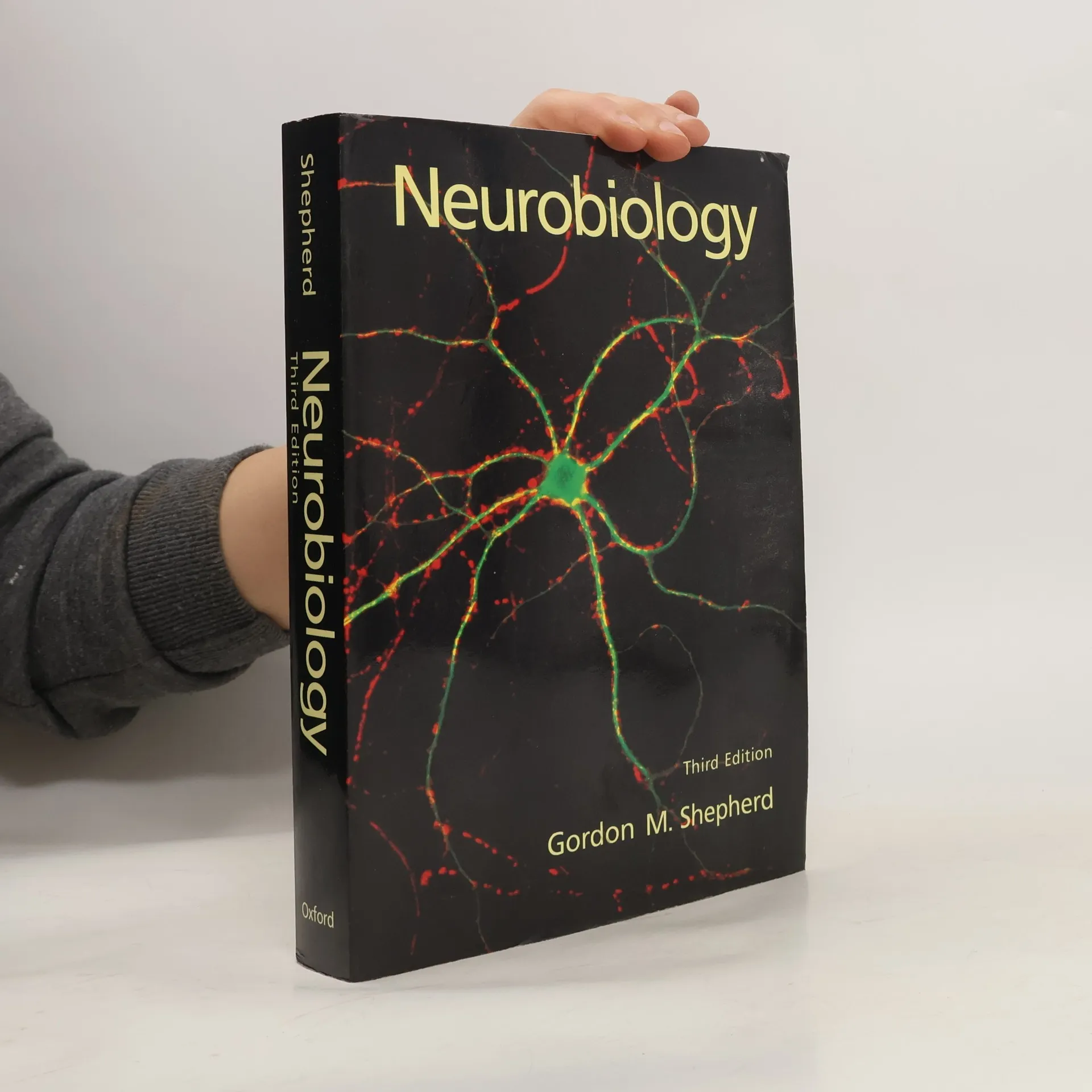
Neurobiology Third Edition, Gordon M. Shepherd
- Język

- Rok wydania
- 1994
- Oprawa
- (miękka)
Metody płatności
Brakuje nam tutaj Twojej recenzji.
- Tytuł
- Neurobiology Third Edition
- Język
- angielski
- Autorzy
- Gordon M. Shepherd
- Wydawca
- Oxford University Press
- Rok wydania
- 1994
- Oprawa
- miękka
- Liczba stron
- 776
- ISBN10
- 0195088433
- ISBN13
- 9780195088434
- Seria
- Tagi
- Podręczniki, Nauki przyrodnicze, Poradniki, Nauka, Tematyka medyczna, Podręczniki biologii, Neurobiologia, Zoologia, Neurologia, Fizjologia, Układ nerwowy, Neurobiologia, Neurofizjologia
- Ocena
- 4,3 z 5
- Opis
- This widely used textbook has been extensively revised to incorporate the latest research in neuroscience. It introduces discussions on gene regulation mechanisms and emphasizes membrane signaling molecules as a unifying theme in molecular and cellular neurobiology. The text explains the roles of these molecules in impulse conduction and synaptic transmission, supported by computer models. For the first time, an interactive computer program, along with a tutorial handbook, allows exploration of these mechanisms. The comparative approach is utilized in the neural systems sections to illustrate general principles, highlighting advancements toward a molecular basis for sensory perception and new methods for revealing neural activity related to sensory and motor functions. The text emphasizes the plasticity of sensory and motor circuits, reflecting the effects of activity and recovery from injury. Central systems, crucial for all animals, such as those governing sleep, feeding, and reproduction, are featured alongside systems for language, emotion, and higher cognitive functions in humans. Recent research on memory is highlighted, contrasting short-term and long-term memory mechanisms and summarizing current understanding of long-term potentiation. The themes of organizational levels and comparative systems unify the vast range of studies in neurobiology. The text benefits from a single author's perspective while incorporating ins