

Więcej o książce
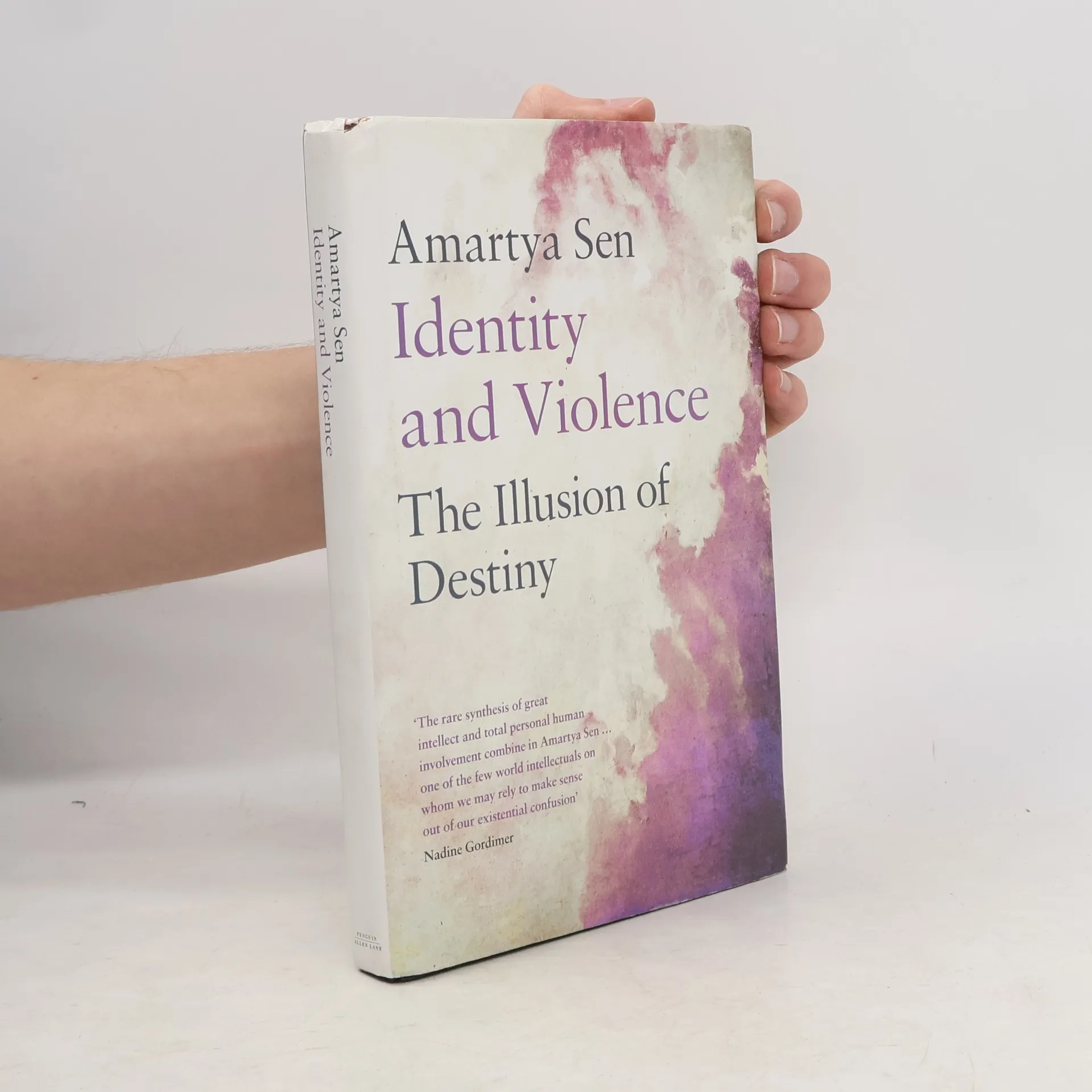
In this sweeping philosophical work, Nobel Laureate Amartya Sen contends that the violence plaguing the world is fueled as much by confusion as by deep-seated hatred. His journey into the realities of murder began at age eleven during the Hindu-Muslim riots of the 1940s in India, where instigators on both sides targeted the same impoverished laborers, reducing them to mere religious identities. Sen argues that such singular classifications perpetuate conflict and violence, as the world increasingly views itself through the lens of religion, culture, or civilization, neglecting other significant aspects of identity like class, gender, profession, and more. This narrow perspective diminishes the complexity of human beings, confining them to simplistic stereotypes. Through his exploration of multiculturalism, fundamentalism, terrorism, and globalization, Sen challenges oversimplified notions like ‘the monolithic Middle East’ and ‘the Western Mind.’ He emphasizes the importance of understanding human freedom and fostering a constructive public discourse in global civil society. Ultimately, Sen asserts that the world can shift towards peace just as readily as it has descended into terror, advocating for a more nuanced view of humanity that transcends divisive identities.



Zakup książki
Identity and Violence, Sen Amartya
- Język

- Rok wydania
- 2006
- Oprawa
- (twarda)
Metody płatności
Brakuje nam tutaj Twojej recenzji.
- Tytuł
- Identity and Violence
- Podtytuł
- The Illusion of Destiny
- Język
- angielski
- Autorzy
- Sen Amartya
- Wydawca
- Allen Lane
- Rok wydania
- 2006
- Oprawa
- twarda
- Liczba stron
- 240
- ISBN10
- 0713999381
- ISBN13
- 9780713999389
- Seria
- Kategorie
- Tagi
- Tematy historyczne, Biznes, Tematyka filozoficzna, Polityka, Fikcja wojenna, Wojny, Indie, Kultura, Etnologia
- Oryginalna nazwa
- Identity and violence
- Ocena
- 3,85 z 5
- Opis
- In this sweeping philosophical work, Nobel Laureate Amartya Sen contends that the violence plaguing the world is fueled as much by confusion as by deep-seated hatred. His journey into the realities of murder began at age eleven during the Hindu-Muslim riots of the 1940s in India, where instigators on both sides targeted the same impoverished laborers, reducing them to mere religious identities. Sen argues that such singular classifications perpetuate conflict and violence, as the world increasingly views itself through the lens of religion, culture, or civilization, neglecting other significant aspects of identity like class, gender, profession, and more. This narrow perspective diminishes the complexity of human beings, confining them to simplistic stereotypes. Through his exploration of multiculturalism, fundamentalism, terrorism, and globalization, Sen challenges oversimplified notions like ‘the monolithic Middle East’ and ‘the Western Mind.’ He emphasizes the importance of understanding human freedom and fostering a constructive public discourse in global civil society. Ultimately, Sen asserts that the world can shift towards peace just as readily as it has descended into terror, advocating for a more nuanced view of humanity that transcends divisive identities.