

Więcej o książce
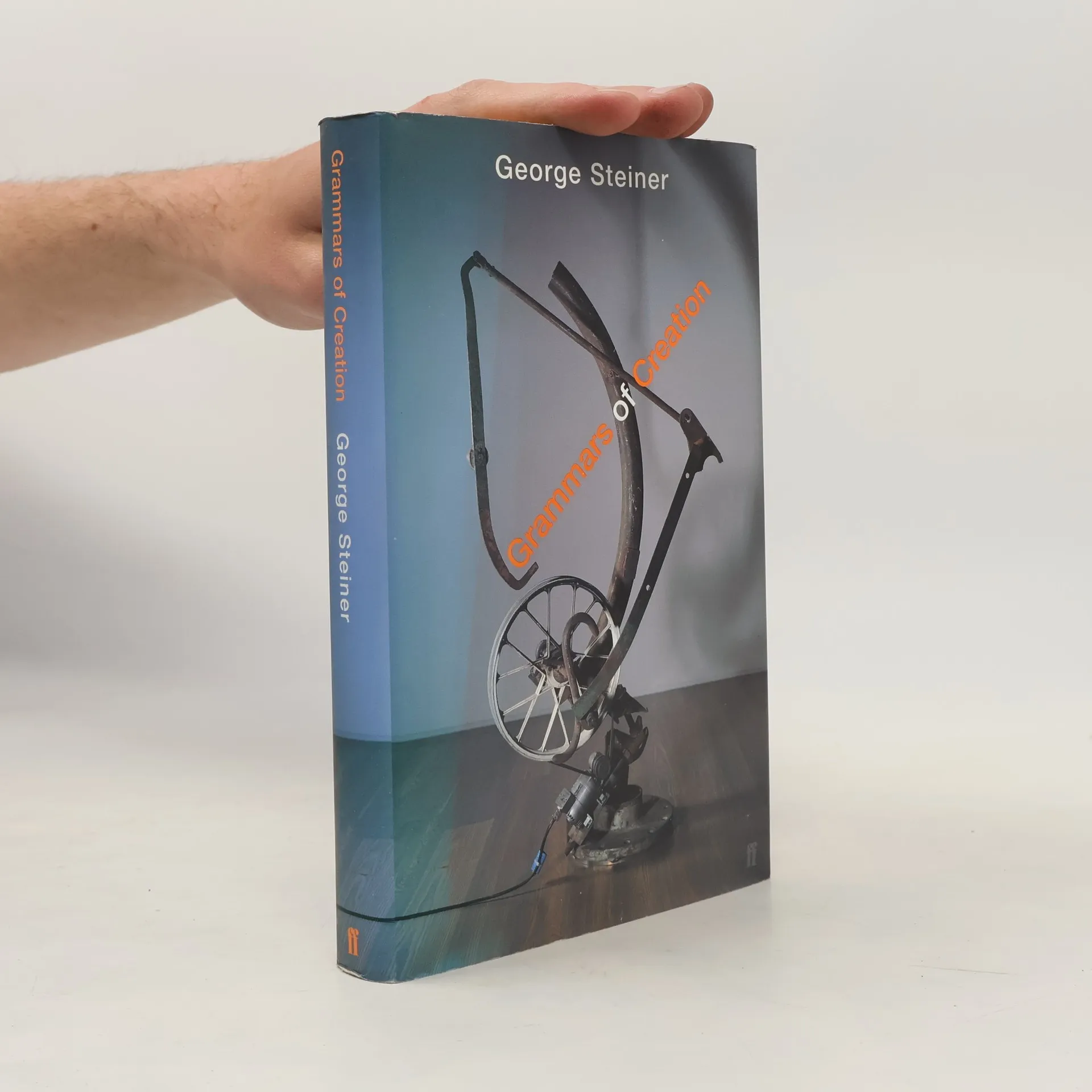
"We have no more beginnings," George Steiner asserts in his most radical work, a profound exploration of creation in Western thought, literature, religion, and history. This volume stands as a magnum opus, reflecting on how we discuss beginnings and the pervasive "coretiredness" of our end-of-the-millennium spirit. Steiner analyzes the evolving grammar surrounding the conclusion of Western art and culture, delving into the driving forces of the human spirit and our perception of Western civilization's waning light. Covering diverse topics such as the Hebrew Bible, the history of science and mathematics, Heidegger's ontology, and Paul Celan's poetry, Steiner questions the twentieth century's impact on our belief in a hopeful future. He acknowledges that while technology and science may have supplanted art and literature as cultural drivers, this shift has come with significant losses. The realms of technology and science alone cannot address profound human inquiries about value, faith, and meaning. Yet, Steiner suggests, it is hard to accept that the Genesis narrative has reached its conclusion. He concludes this masterful collection of reflections with a moving reminder of the perpetual nature of beginnings.

Zakup książki
Grammars of Creation, George Steiner
- Język

- Rok wydania
- 2001
- Oprawa
- (twarda)
Metody płatności
Nikt jeszcze nie ocenił.
- Tytuł
- Grammars of Creation
- Język
- angielski
- Autorzy
- George Steiner
- Wydawca
- Faber & Faber
- Rok wydania
- 2001
- Oprawa
- twarda
- Liczba stron
- 304
- ISBN10
- 0571206816
- ISBN13
- 9780571206810
- Seria
- Kategorie
- Opis
- "We have no more beginnings," George Steiner asserts in his most radical work, a profound exploration of creation in Western thought, literature, religion, and history. This volume stands as a magnum opus, reflecting on how we discuss beginnings and the pervasive "coretiredness" of our end-of-the-millennium spirit. Steiner analyzes the evolving grammar surrounding the conclusion of Western art and culture, delving into the driving forces of the human spirit and our perception of Western civilization's waning light. Covering diverse topics such as the Hebrew Bible, the history of science and mathematics, Heidegger's ontology, and Paul Celan's poetry, Steiner questions the twentieth century's impact on our belief in a hopeful future. He acknowledges that while technology and science may have supplanted art and literature as cultural drivers, this shift has come with significant losses. The realms of technology and science alone cannot address profound human inquiries about value, faith, and meaning. Yet, Steiner suggests, it is hard to accept that the Genesis narrative has reached its conclusion. He concludes this masterful collection of reflections with a moving reminder of the perpetual nature of beginnings.