

Więcej o książce
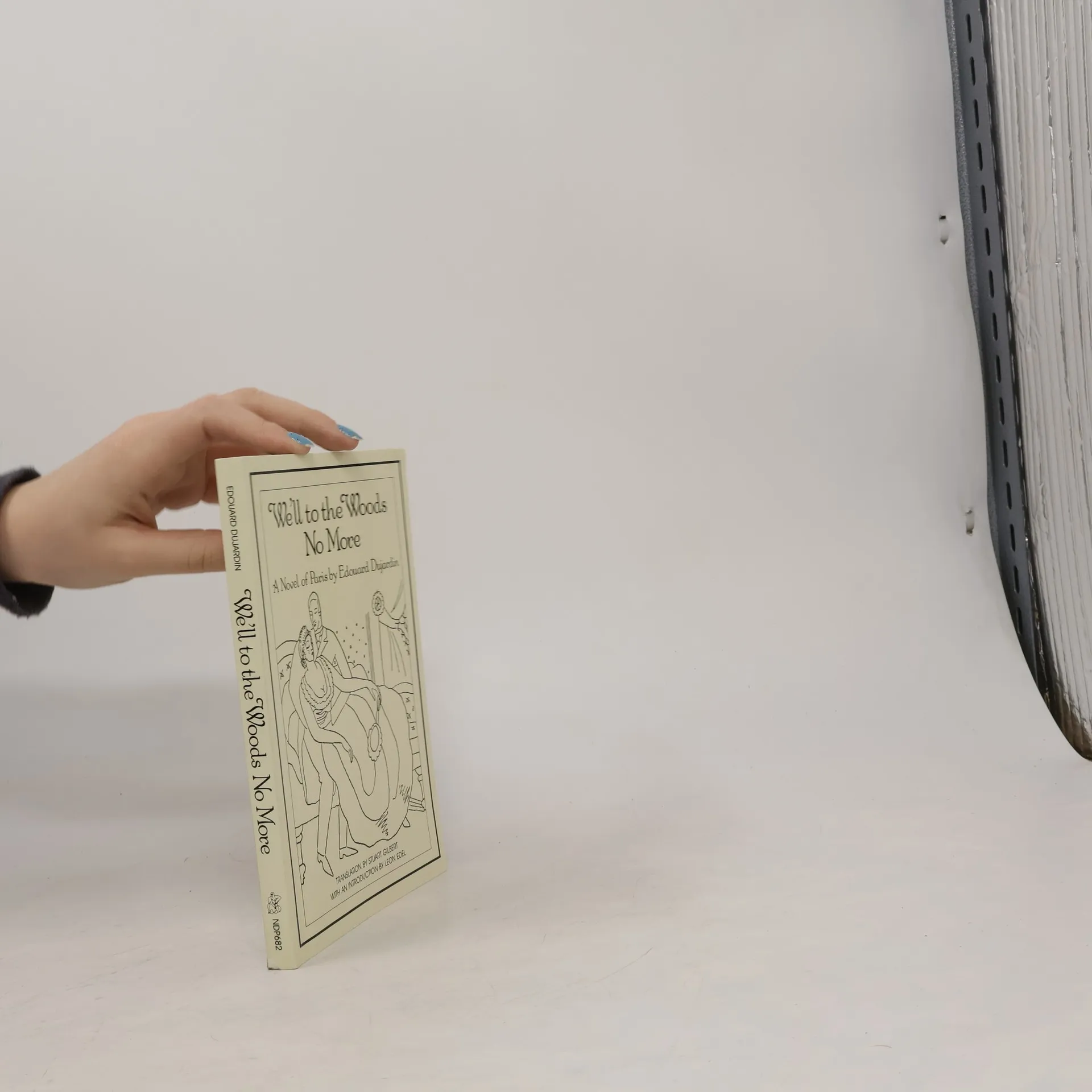
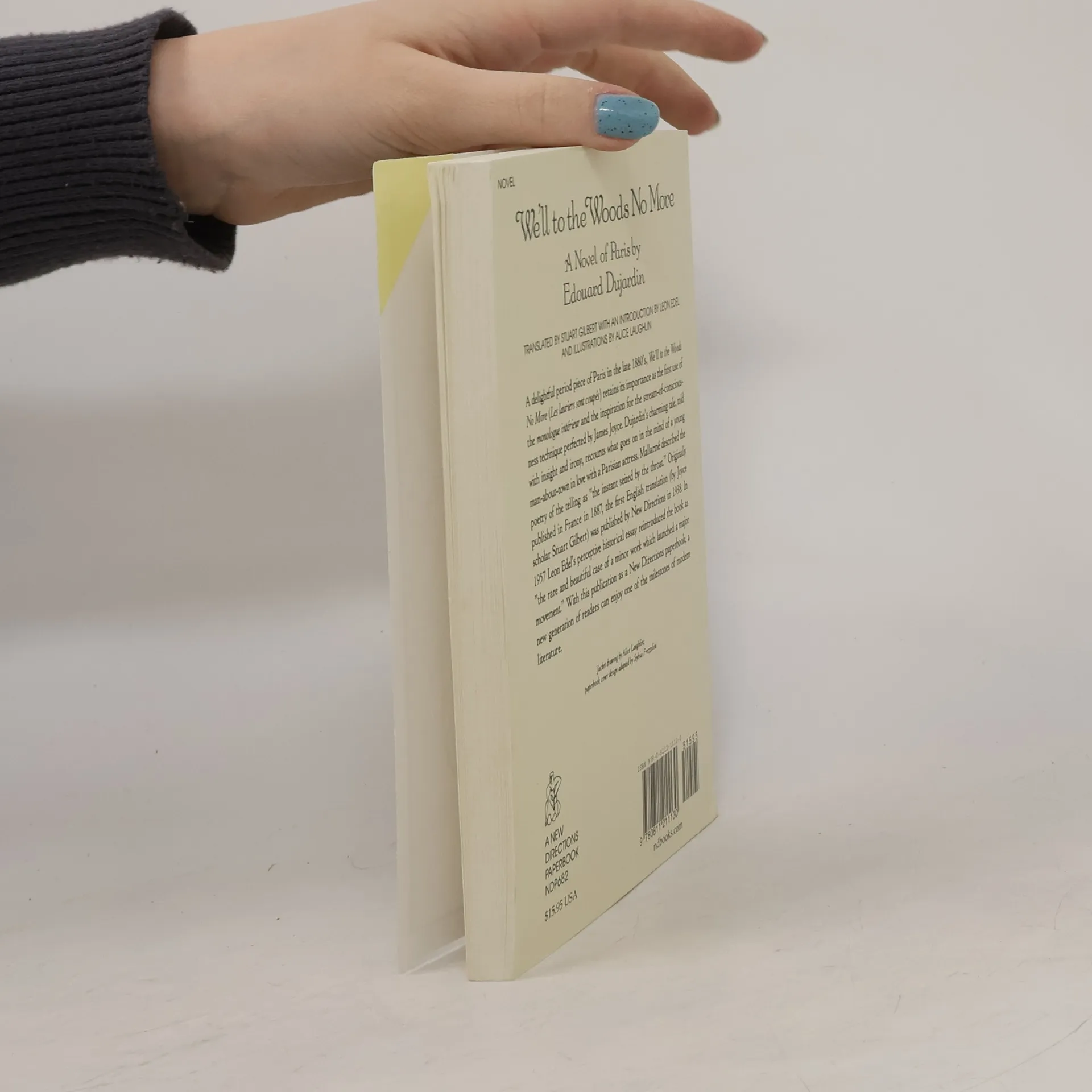
A delightful period piece of Paris in the late 1880’s, We’ll to the Woods No More ( Les lauriers sont coupés ) retains its importance as the first use of the monologue intérieur and the inspiration for the stream-of-consciousness technique perfected by James Joyce. Dujardin’s charming tale, told with insight and irony, recounts what goes on in the mind of a young man-about-town in love with a Parisian actress. Mallarmé described the poetry of the telling as "the instant seized by the throat." Originally published in France in 1887, the first English translation (by Joyce scholar Stuart Gilbert) was published by New Directions in 1938. In 1957 Leon Edel’s perceptive historical essay reintroduced the book as "the rare and beautiful case of a minor work which launched a major movement."

Zakup książki
New Directions Paperbook - 682: We'll to the Woods No More, Édouard Dujardin, Stuart Gilbert, Leon Edel
- Język

- Rok wydania
- 1990
- Oprawa
- (miękka)
Metody płatności
Brakuje nam tutaj Twojej recenzji.
- Tytuł
- New Directions Paperbook - 682: We'll to the Woods No More
- Podtytuł
- Novel
- Język
- angielski
- Autorzy
- Édouard Dujardin, Stuart Gilbert, Leon Edel
- Rok wydania
- 1990
- Oprawa
- miękka
- Liczba stron
- 146
- ISBN10
- 0811211134
- ISBN13
- 9780811211130
- Seria
- Ocena
- 3,65 z 5
- Opis
- A delightful period piece of Paris in the late 1880’s, We’ll to the Woods No More ( Les lauriers sont coupés ) retains its importance as the first use of the monologue intérieur and the inspiration for the stream-of-consciousness technique perfected by James Joyce. Dujardin’s charming tale, told with insight and irony, recounts what goes on in the mind of a young man-about-town in love with a Parisian actress. Mallarmé described the poetry of the telling as "the instant seized by the throat." Originally published in France in 1887, the first English translation (by Joyce scholar Stuart Gilbert) was published by New Directions in 1938. In 1957 Leon Edel’s perceptive historical essay reintroduced the book as "the rare and beautiful case of a minor work which launched a major movement."