

Parametry
- 226 stron
- 8 godzin czytania
Więcej o książce
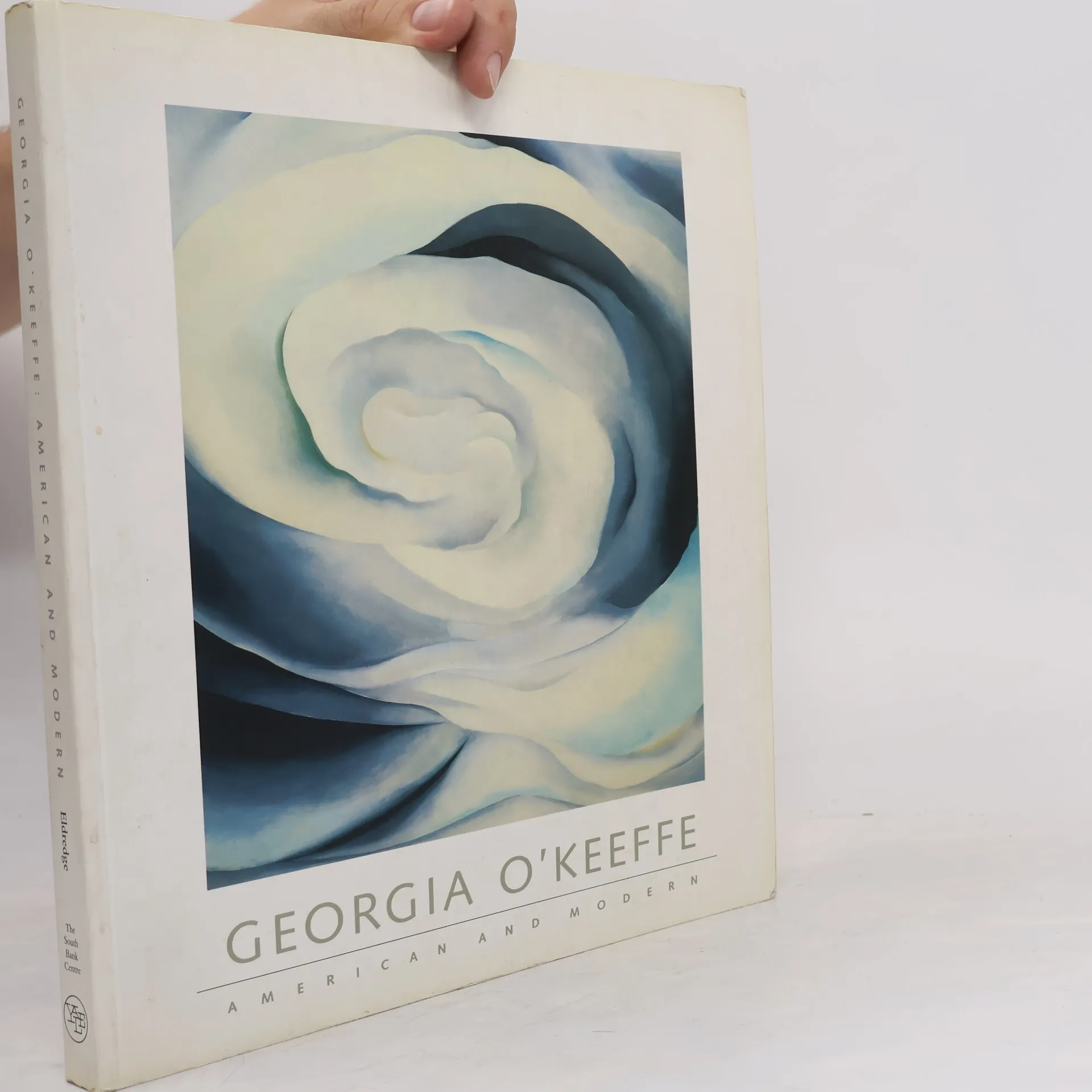
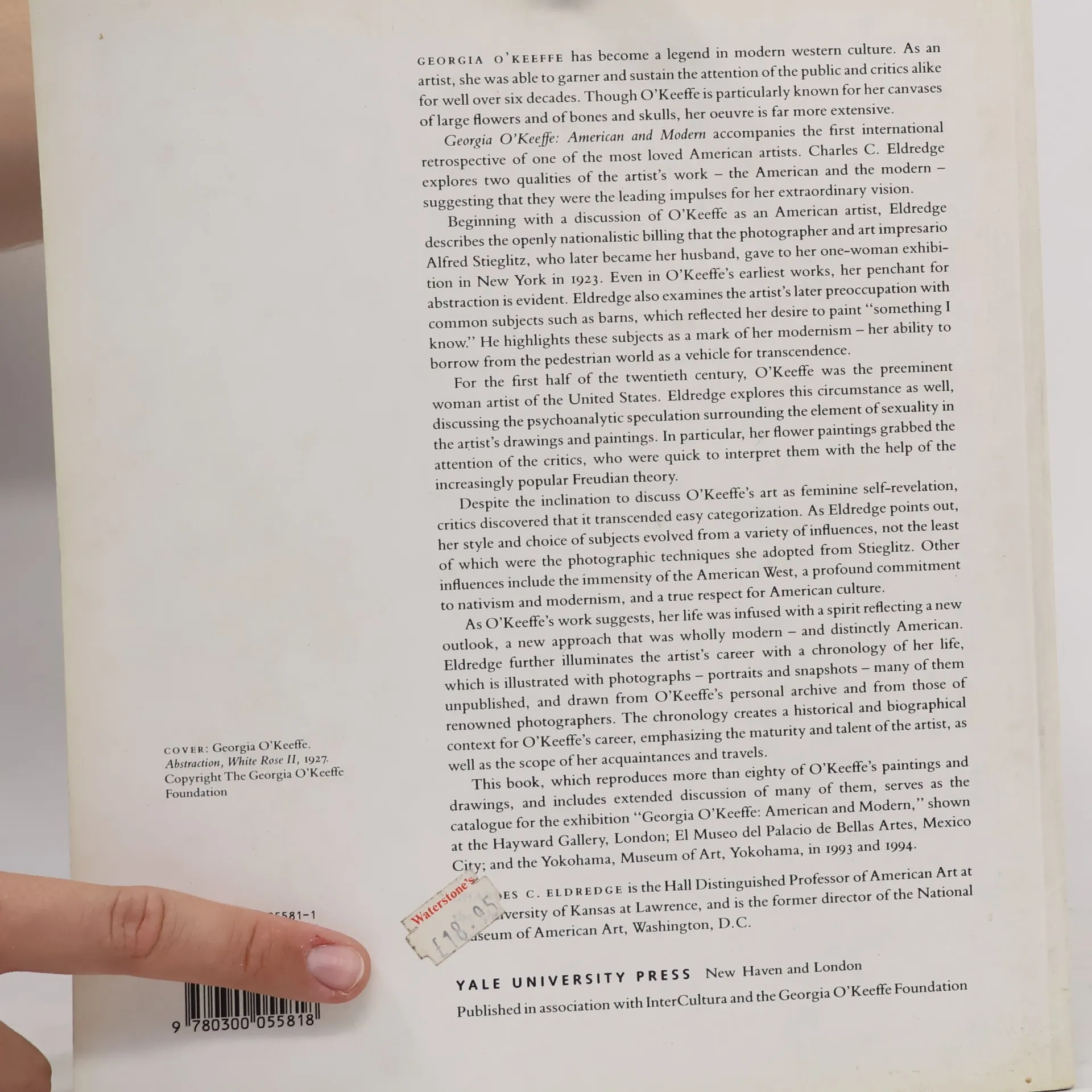
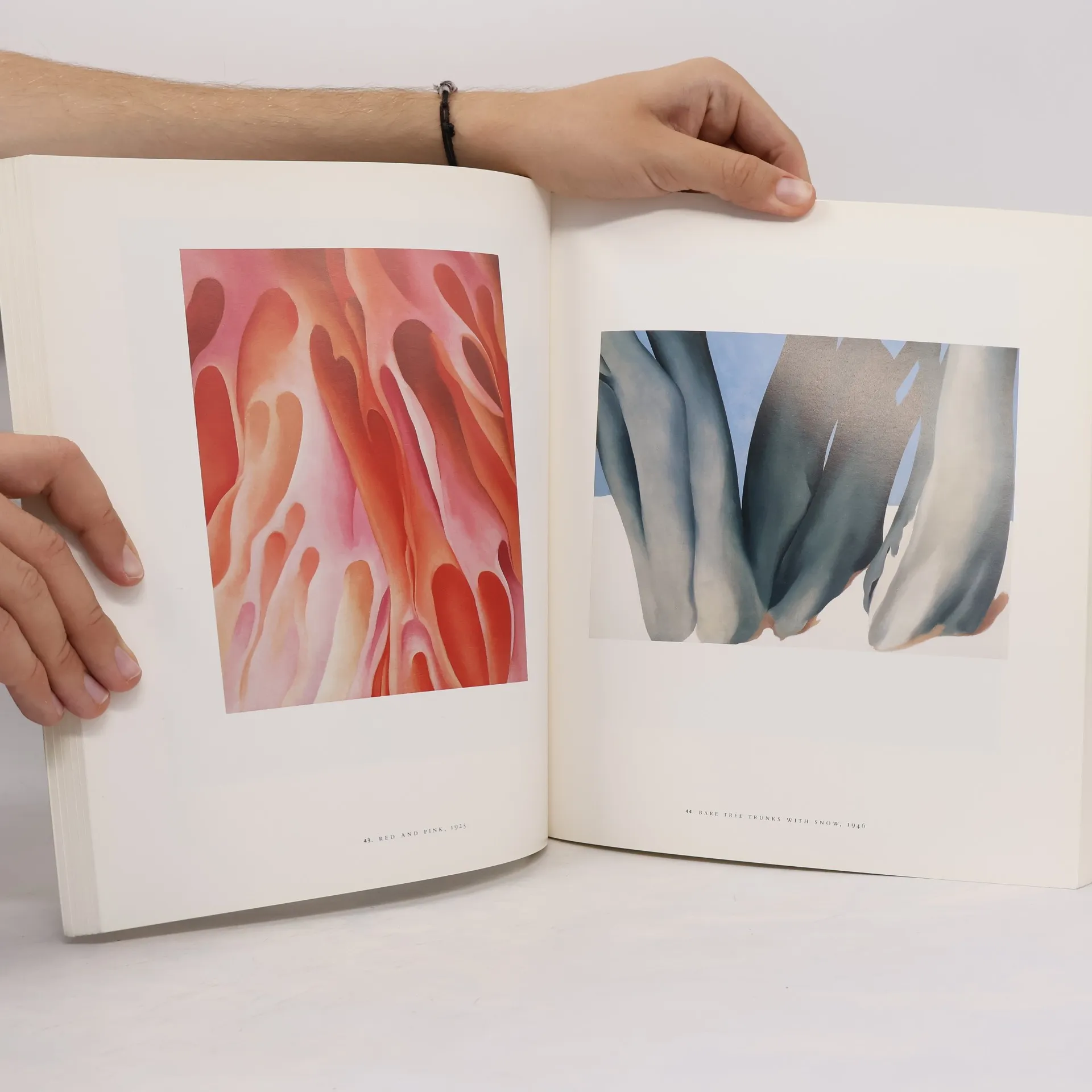
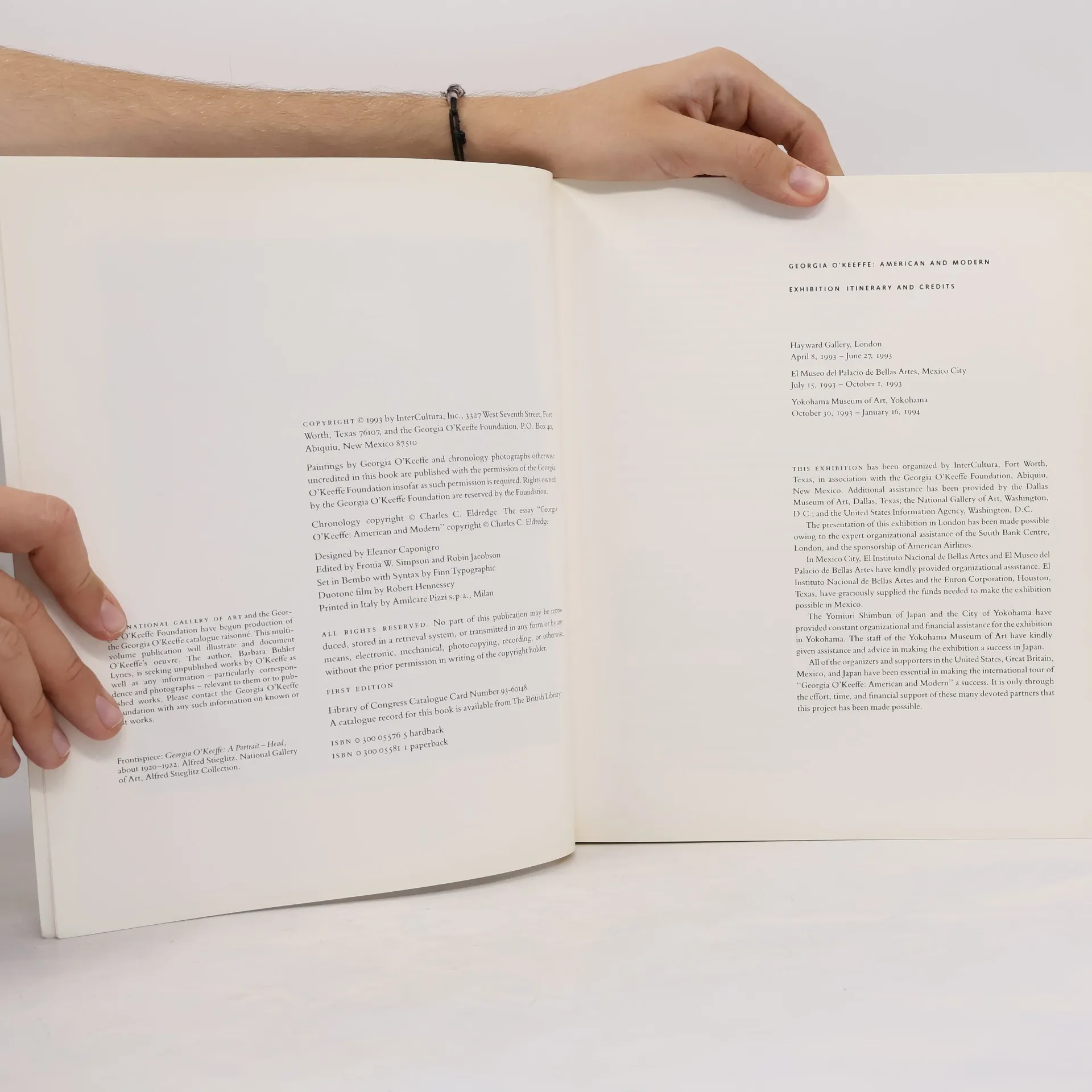
Georgia O'Keeffe has become a legend in modern western culture, captivating public and critical attention for over six decades. Known for her large flower canvases and depictions of bones and skulls, her artistic repertoire is far more extensive. This retrospective explores two key aspects of her work: the American and the modern, which shaped her extraordinary vision. Eldredge begins by discussing O'Keeffe as an American artist, highlighting the nationalistic promotion by Alfred Stieglitz, her husband, during her 1923 New York exhibition. Her early works reveal a strong inclination toward abstraction, while her later focus on common subjects, like barns, reflects her desire to paint "something I know." Eldredge emphasizes these themes as markers of her modernism, showcasing her ability to elevate the ordinary into something transcendent. As the preeminent woman artist in the United States during the first half of the twentieth century, O'Keeffe's work also invites psychoanalytic interpretation, particularly regarding sexuality in her art. Critics often viewed her flower paintings through a Freudian lens, yet her art resists simplistic categorization. Eldredge notes that her evolving style and subject matter were influenced by various factors, including photographic techniques learned from Stieglitz.


Zakup książki
Georgia O'Keeffe, Charles C. Eldredge, Georgia O. Keeffe
- Język

- Rok wydania
- 1993
- Oprawa
- (miękka)
Metody płatności
Nikt jeszcze nie ocenił.
- Tytuł
- Georgia O'Keeffe
- Podtytuł
- American and Modern
- Język
- angielski
- Autorzy
- Charles C. Eldredge, Georgia O. Keeffe
- Wydawca
- Yale University Press
- Rok wydania
- 1993
- Oprawa
- miękka
- Liczba stron
- 226
- ISBN10
- 0300055811
- ISBN13
- 9780300055818
- Seria
- Opis
- Georgia O'Keeffe has become a legend in modern western culture, captivating public and critical attention for over six decades. Known for her large flower canvases and depictions of bones and skulls, her artistic repertoire is far more extensive. This retrospective explores two key aspects of her work: the American and the modern, which shaped her extraordinary vision. Eldredge begins by discussing O'Keeffe as an American artist, highlighting the nationalistic promotion by Alfred Stieglitz, her husband, during her 1923 New York exhibition. Her early works reveal a strong inclination toward abstraction, while her later focus on common subjects, like barns, reflects her desire to paint "something I know." Eldredge emphasizes these themes as markers of her modernism, showcasing her ability to elevate the ordinary into something transcendent. As the preeminent woman artist in the United States during the first half of the twentieth century, O'Keeffe's work also invites psychoanalytic interpretation, particularly regarding sexuality in her art. Critics often viewed her flower paintings through a Freudian lens, yet her art resists simplistic categorization. Eldredge notes that her evolving style and subject matter were influenced by various factors, including photographic techniques learned from Stieglitz.