

Więcej o książce
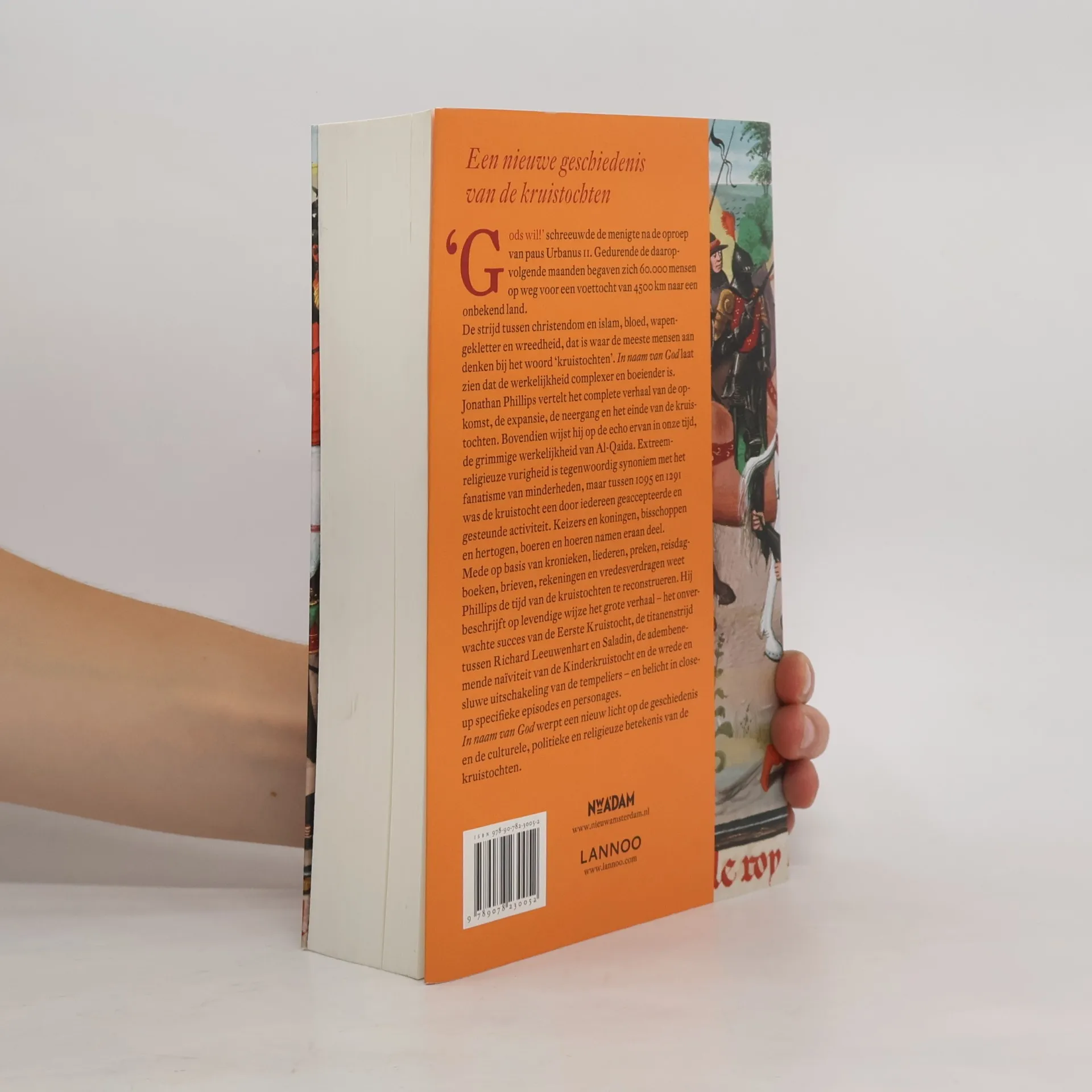
From an internationally renowned expert, this accessible and captivating history of the Crusades is told through the experiences of its diverse players—knights, sultans, kings, poets, Christians, and Muslims. The narrative traces the origins, expansion, decline, and conclusion of the Crusades, while also commenting on their contemporary echoes, from the mysteries of the Templars to the realities of al-Qaeda. Beginning with Pope Urban II’s groundbreaking speech in November 1095, which called for the recovery of Jerusalem, the account explores the centuries-long conflict between two major faiths. Utilizing songs, sermons, narratives, and letters from the period, it reveals how the First Crusade's success inspired kings to seek glory and blurred the lines between chivalry and crusading. In the Muslim world, early jihad calls went unheeded until the charismatic Sultan Saladin brought the struggle to a climax. This history incorporates the holy wars within the broader context of medieval Christendom and Islam, shedding light on forgotten truces and alliances. It also examines how the term “crusade” evolved into the modern era, influencing events from the Spanish Civil War to George W. Bush’s “war on terror.” Elegantly written and compelling, this work is essential for understanding medieval Europe and the history of religious conflict.


Zakup książki
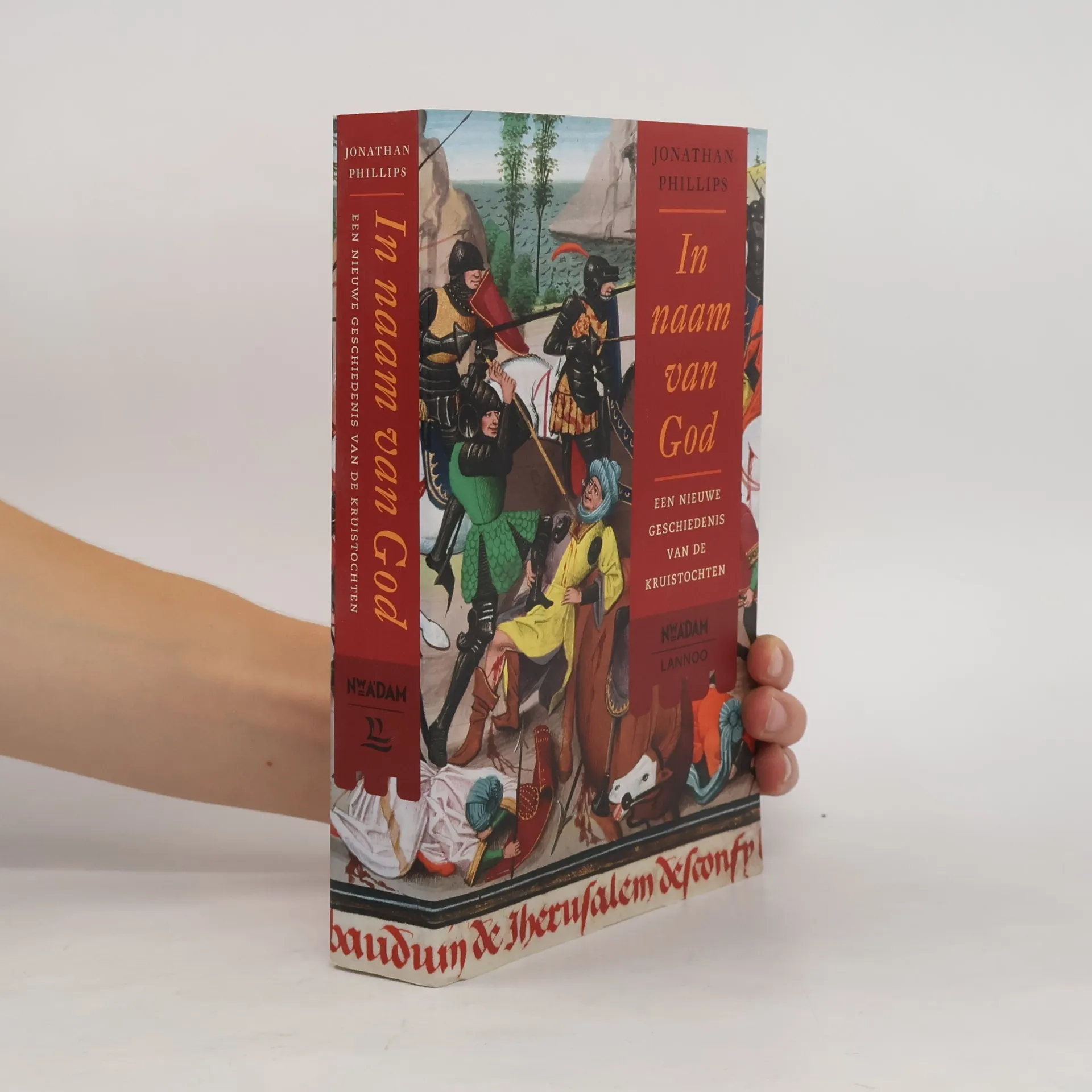
In naam van God, Jonathan P. Phillips, Marianne Tieleman, Pieter de Smit
- Język

- Rok wydania
- 2009
- Oprawa
- (miękka)
Metody płatności
Brakuje nam tutaj Twojej recenzji.
- Tytuł
- In naam van God
- Podtytuł
- Een nieuwe geschiedenis van de kruistochten
- Język
- holenderski
- Wydawca
- Nieuw Amsterdam
- Rok wydania
- 2009
- Oprawa
- miękka
- Liczba stron
- 464
- ISBN10
- 9078230053
- ISBN13
- 9789078230052
- Seria
- Kategorie
- Tagi
- Tematy historyczne, Tematy religijne, Tematy chrześcijańskie, Średniowiecze, Historia Europy, Izrael, Krucjaty, Ziemia Święta, Dżihad, Krzyżowcy
- Ocena
- 4 z 5
- Opis
- From an internationally renowned expert, this accessible and captivating history of the Crusades is told through the experiences of its diverse players—knights, sultans, kings, poets, Christians, and Muslims. The narrative traces the origins, expansion, decline, and conclusion of the Crusades, while also commenting on their contemporary echoes, from the mysteries of the Templars to the realities of al-Qaeda. Beginning with Pope Urban II’s groundbreaking speech in November 1095, which called for the recovery of Jerusalem, the account explores the centuries-long conflict between two major faiths. Utilizing songs, sermons, narratives, and letters from the period, it reveals how the First Crusade's success inspired kings to seek glory and blurred the lines between chivalry and crusading. In the Muslim world, early jihad calls went unheeded until the charismatic Sultan Saladin brought the struggle to a climax. This history incorporates the holy wars within the broader context of medieval Christendom and Islam, shedding light on forgotten truces and alliances. It also examines how the term “crusade” evolved into the modern era, influencing events from the Spanish Civil War to George W. Bush’s “war on terror.” Elegantly written and compelling, this work is essential for understanding medieval Europe and the history of religious conflict.