

Więcej o książce
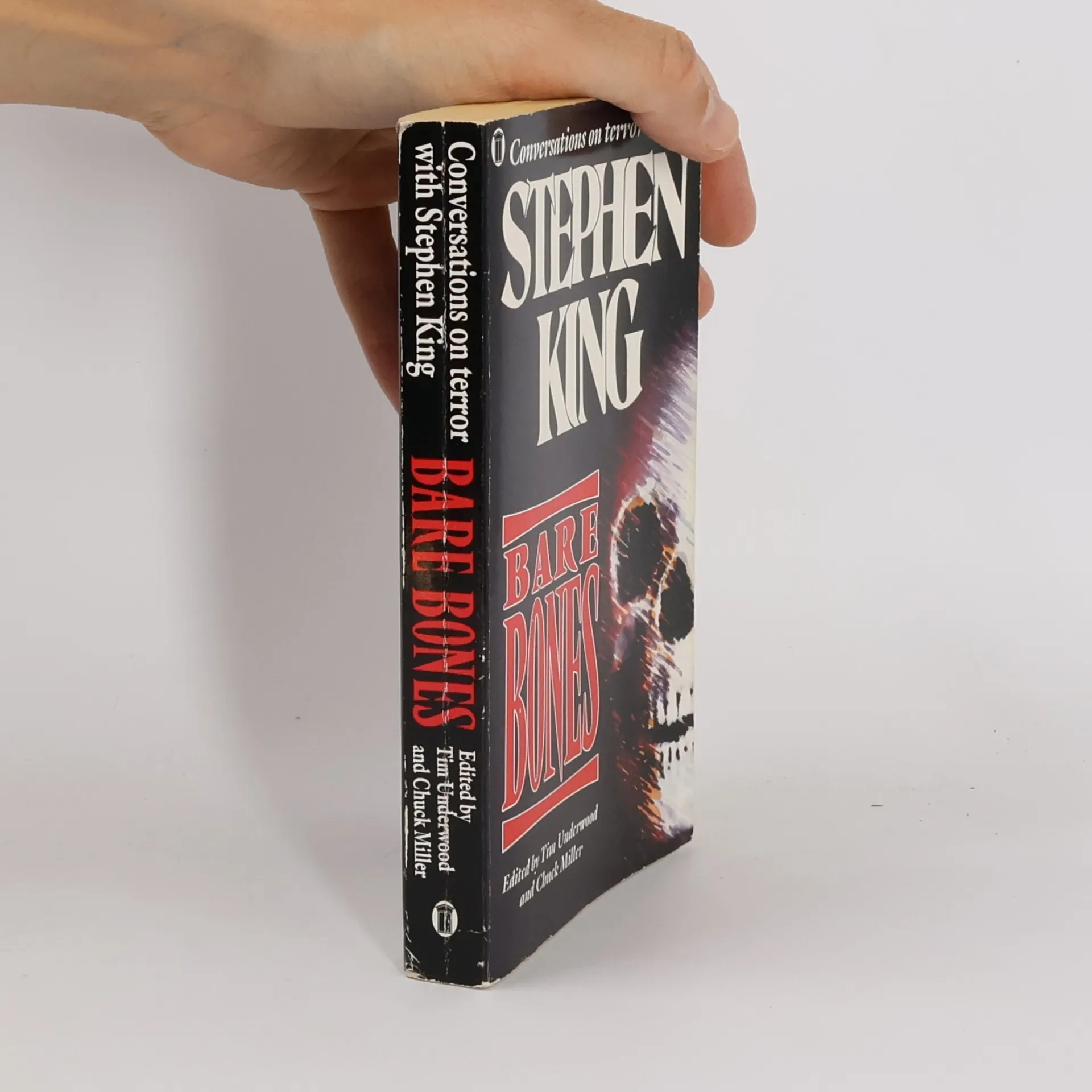
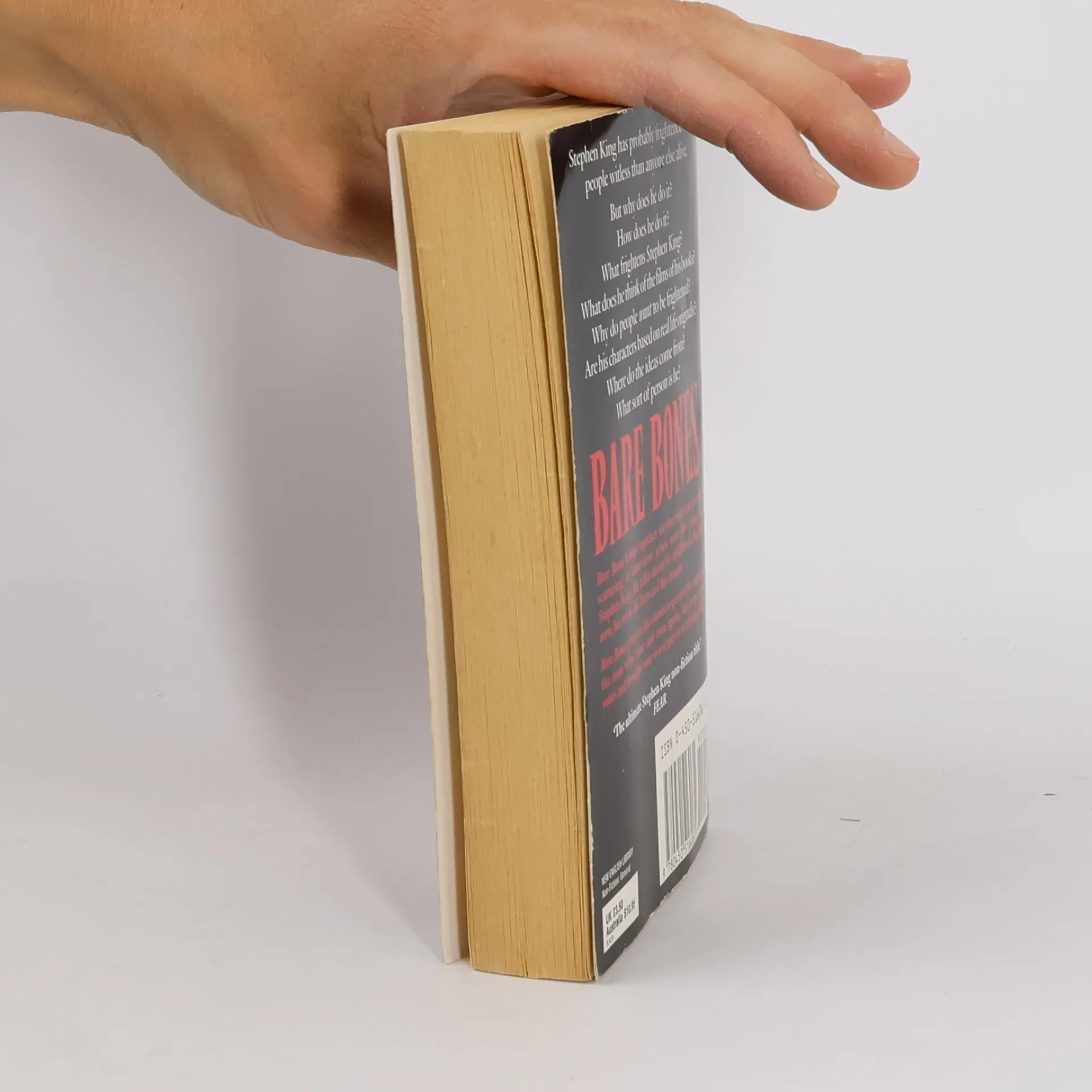
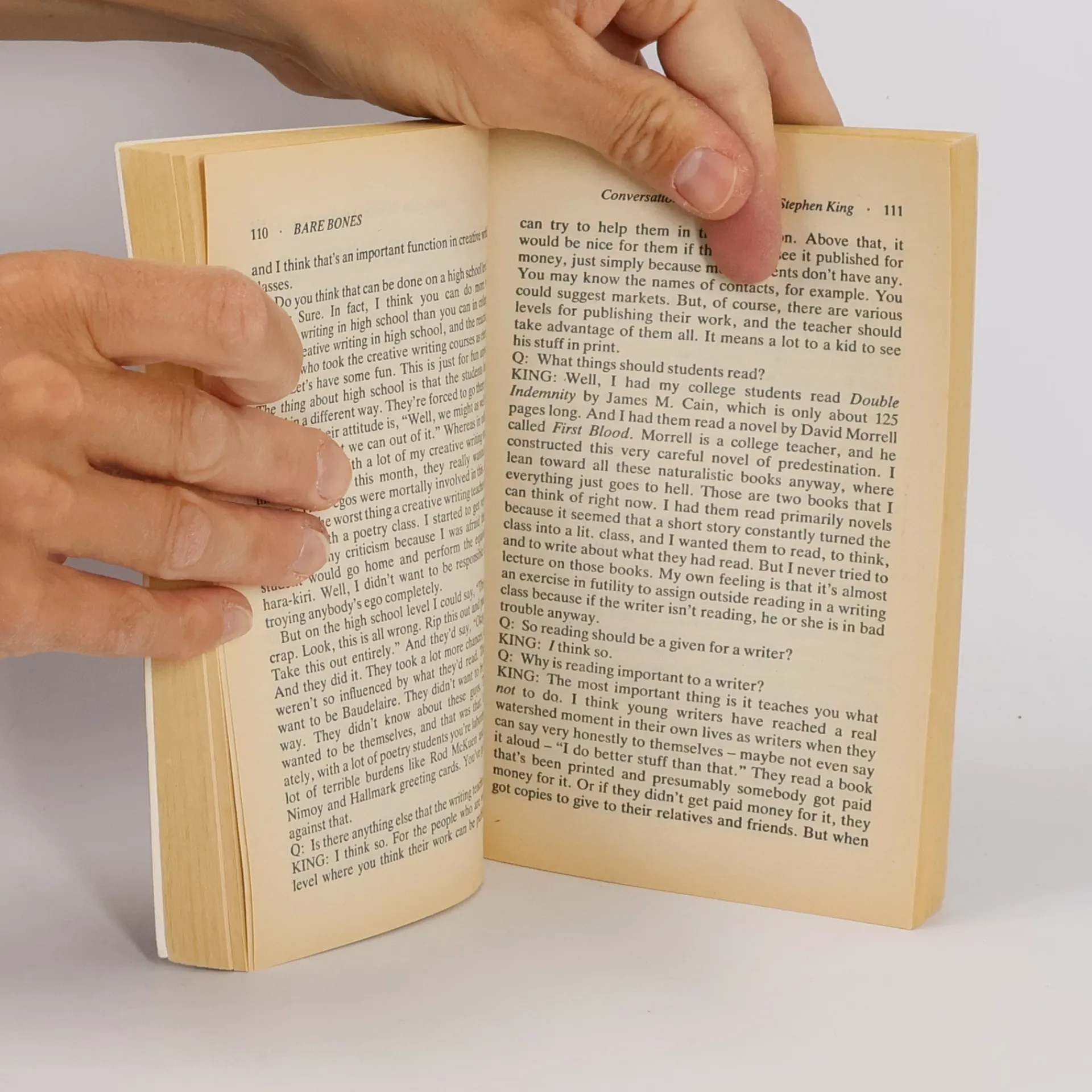
In this revealing and varied collection of interviews, Stephen King talks about his life, family, films and in particular about his macabre novels of the unknown that have made him so well known. "My soul must be very black, indeed," observes King, virtuoso of horror fiction, but these 30-odd interviews do not lay bare his soul. They do, however, reveal some interesting things about his insomnia and persistent fears (he hates darkness), his literary sources, work habits (he writes two hours a day, seven days a week) and how his scary novels are linked to his childhood insecurities and feelings of inadequacy. The interviews, conducted by various journalists over the past decade, originally ran in media ranging from Penthouse to the Baltimore Sun. Shrugging off critics who dismiss his work as derivative, King explains his fascination with the horrific and calls himself a good writer, not a great one. His comments on his novels and their movie adaptations are often astute, as when he interprets Carrie as a parable of women's consciousness or pans Stanley Kubrick's frigid direction of The Shining.


Zakup książki
Bare Bones, Tim Underwood, Chuck Miller
- Język

- Rok wydania
- 1990
- Oprawa
- (miękka),
- Stan książki
- Dobry
- Cena
- 19,42 zł
Metody płatności
Brakuje nam tutaj Twojej recenzji.
- Tytuł
- Bare Bones
- Podtytuł
- Conversations on Terror with Stephen King
- Język
- angielski
- Autorzy
- Tim Underwood, Chuck Miller
- Wydawca
- New English Library
- Rok wydania
- 1990
- Oprawa
- miękka
- Liczba stron
- 288
- ISBN10
- 0450516067
- ISBN13
- 9780450516061
- Seria
- Tagi
- Poradniki, XX wiek, Serie, Krytyka literacka, Pisanie
- Ocena
- 3,7 z 5
- Opis
- In this revealing and varied collection of interviews, Stephen King talks about his life, family, films and in particular about his macabre novels of the unknown that have made him so well known. "My soul must be very black, indeed," observes King, virtuoso of horror fiction, but these 30-odd interviews do not lay bare his soul. They do, however, reveal some interesting things about his insomnia and persistent fears (he hates darkness), his literary sources, work habits (he writes two hours a day, seven days a week) and how his scary novels are linked to his childhood insecurities and feelings of inadequacy. The interviews, conducted by various journalists over the past decade, originally ran in media ranging from Penthouse to the Baltimore Sun. Shrugging off critics who dismiss his work as derivative, King explains his fascination with the horrific and calls himself a good writer, not a great one. His comments on his novels and their movie adaptations are often astute, as when he interprets Carrie as a parable of women's consciousness or pans Stanley Kubrick's frigid direction of The Shining.