



Więcej o książce
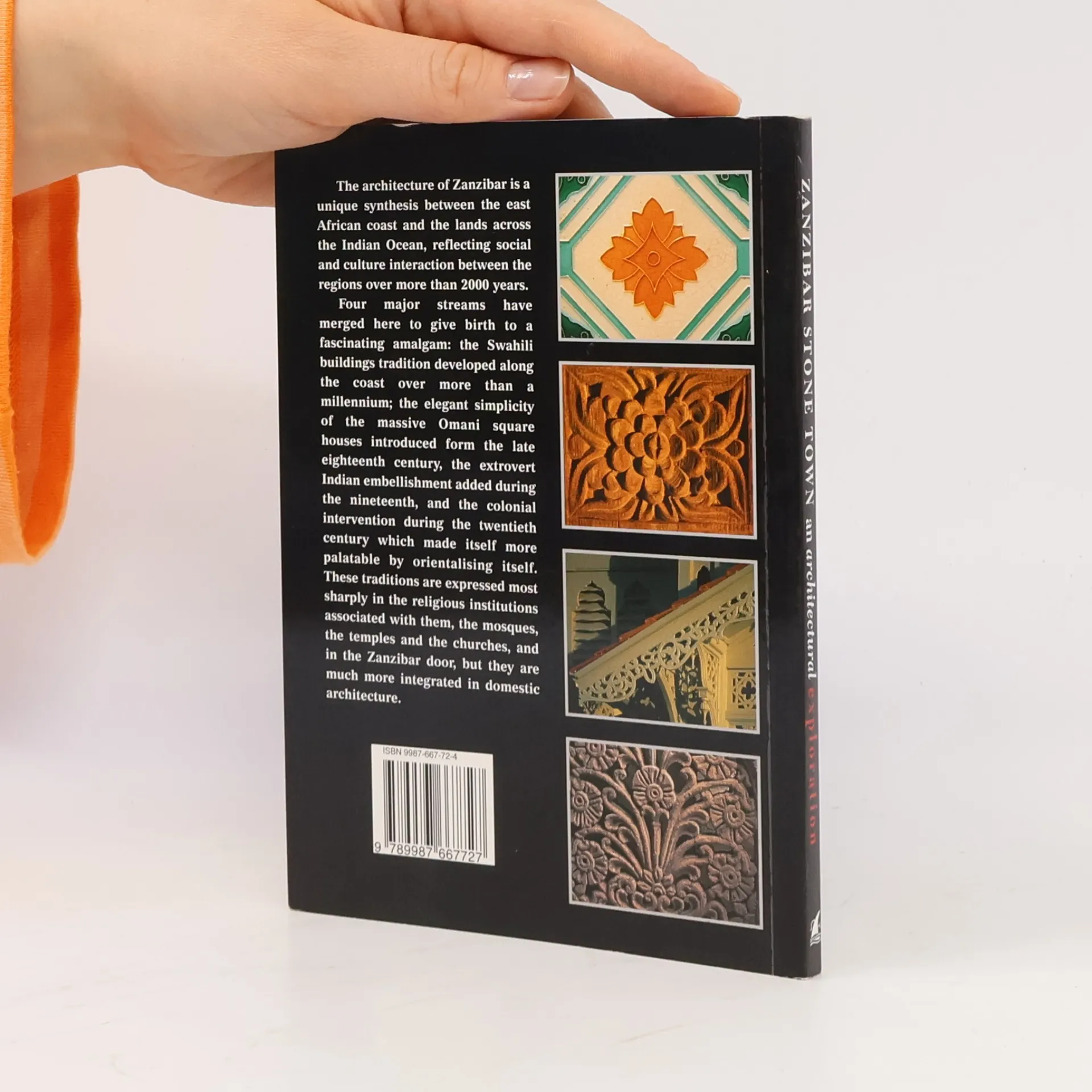
The architecture of Zanzibar is a unique synthesis between the east African coast and the lands across the Indian Ocean, reflecting social and culture interaction between the regions over more than 2000 years. Four major streams have merged here to give birth to a fascinating amalgam: the Swahili buildings tradition developed along the coast over more than a millennium; the elegant simplicity of the massive Omani square houses introduced form the late eighteenth century, the extrovert Indian embellishment added during the nineteenth, and the colonial intervention during the twentieth century which made itself more palatable by orientalising itself. These traditions are expressed most sharply in the religious institutions associated with them, the mosques, the temples and the churches, and in the Zanzibar door, but they are much more integrated in domestic architecture.
Zakup książki
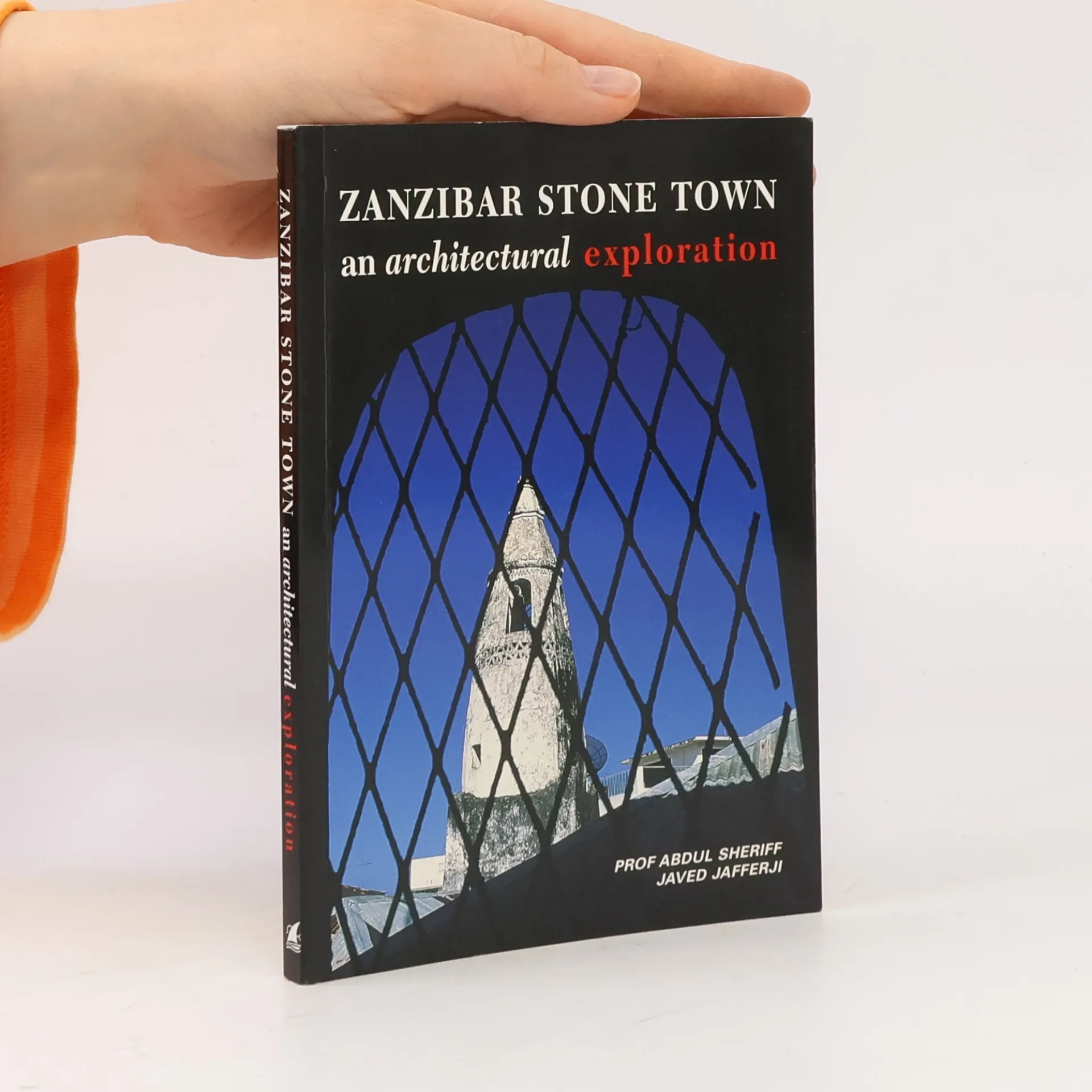
Zanzibar Stone Town, Abdul Sheriff, Javed Jafferji, Graham Mercer, Abdul Basit, Bayuu, M. Ausy
- Język

- Rok wydania
- 2008
- Oprawa
- (miękka),
- Stan książki
- Dobry
- Cena
- 62,22 zł
Metody płatności
Nikt jeszcze nie ocenił.
- Tytuł
- Zanzibar Stone Town
- Podtytuł
- An Architectural Exploration
- Język
- angielski
- Autorzy
- Abdul Sheriff, Javed Jafferji, Graham Mercer, Abdul Basit, Bayuu, M. Ausy
- Wydawca
- Gallery Publications
- Rok wydania
- 2008
- Oprawa
- miękka
- ISBN10
- 9987667724
- ISBN13
- 9789987667727
- Seria
- Tagi
- Opis
- The architecture of Zanzibar is a unique synthesis between the east African coast and the lands across the Indian Ocean, reflecting social and culture interaction between the regions over more than 2000 years. Four major streams have merged here to give birth to a fascinating amalgam: the Swahili buildings tradition developed along the coast over more than a millennium; the elegant simplicity of the massive Omani square houses introduced form the late eighteenth century, the extrovert Indian embellishment added during the nineteenth, and the colonial intervention during the twentieth century which made itself more palatable by orientalising itself. These traditions are expressed most sharply in the religious institutions associated with them, the mosques, the temples and the churches, and in the Zanzibar door, but they are much more integrated in domestic architecture.