

Więcej o książce
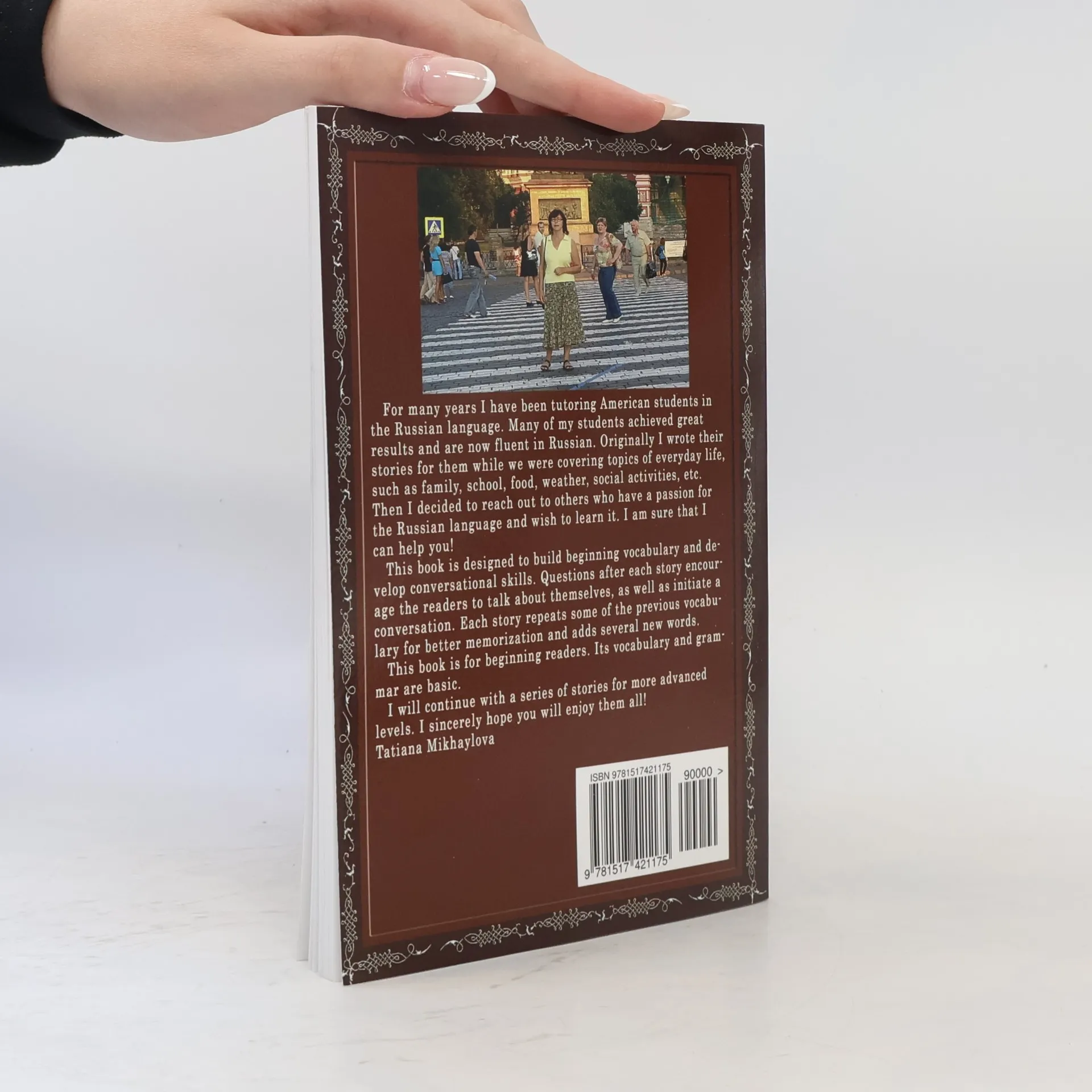
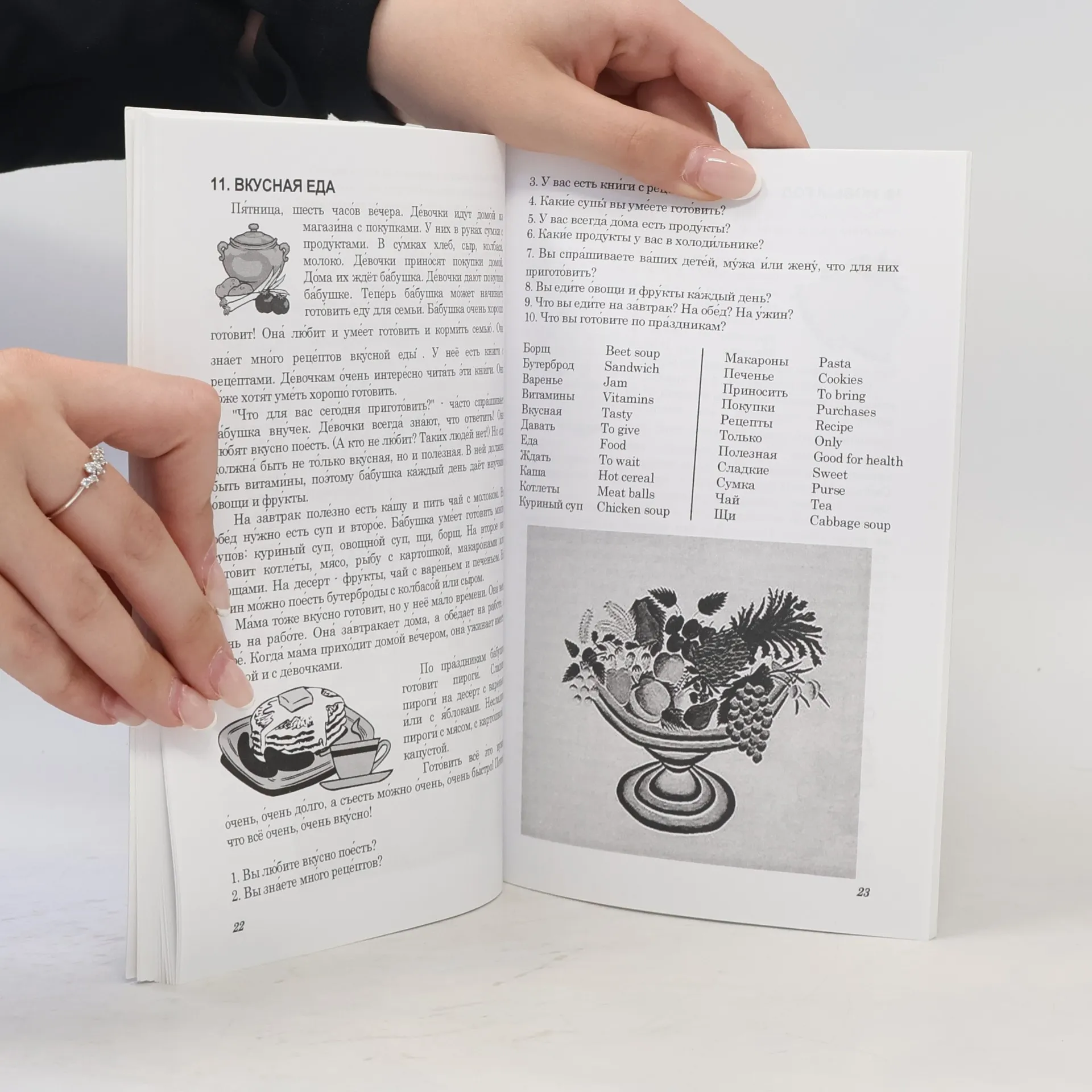
This book of short stories is designed for beginning students. Its vocabulary and grammar are basic and all verbs are in the present tense. Each story focuses on a specific topic. After each story there is a list of questions, based on its theme. These questions encourage the readers to talk about themselves, their family, friends and other things that people normally chat about. Answering and asking questions is a great tool to develop conversational skills. You will be prepared to go to Russia and make new friends there! Following each story, there is a list of vocabulary specific to that story. Thus, you do not have to go to the back of the book to search for the translation of an unfamiliar word. Of course, the readers should already know at least some words, such as pronouns, and be familiar with the concept of declension of nouns, pronouns and adjectives and verb conjugation. Each story repeats some of the previous vocabulary for better memorization and adds several new words.
Zakup książki
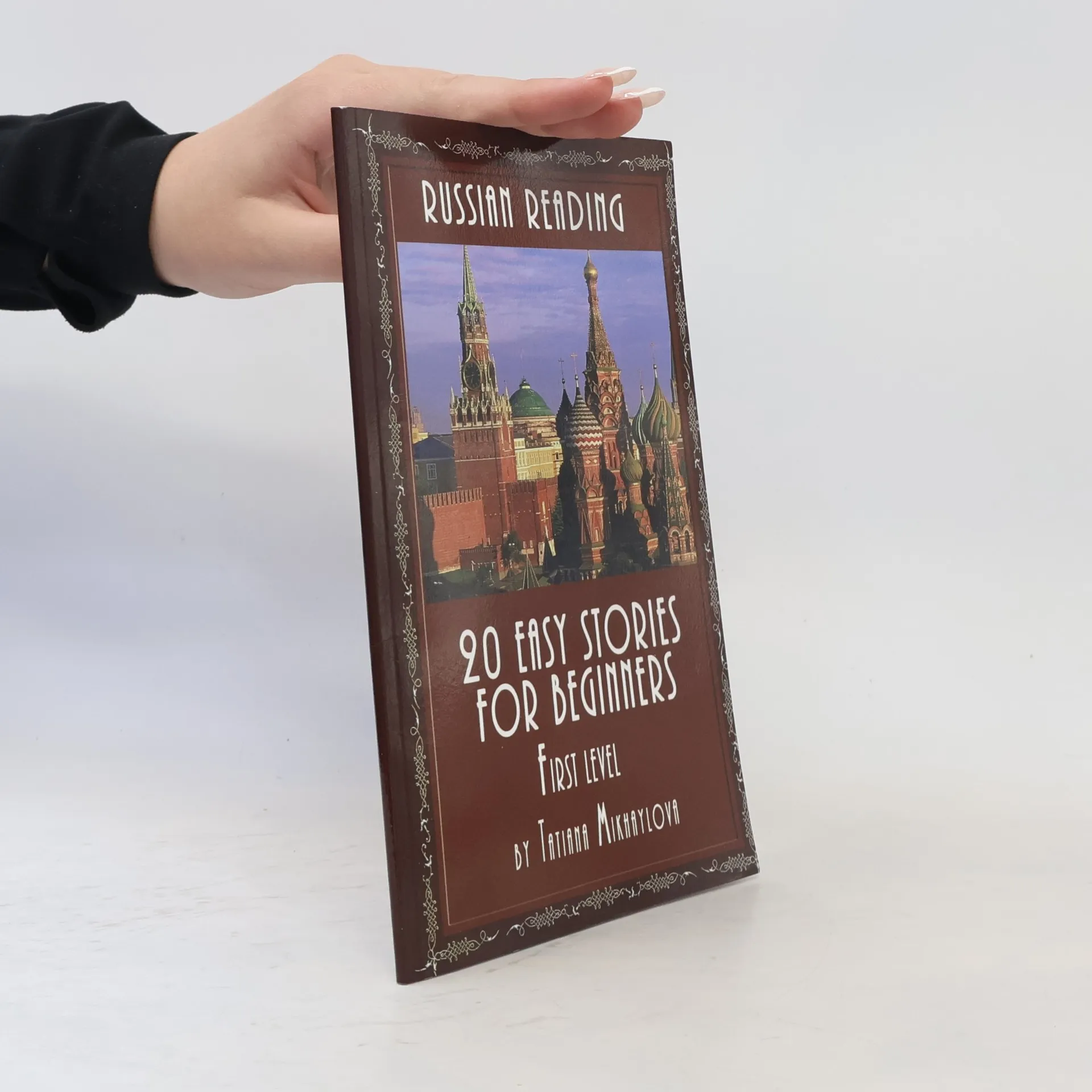
Russian Reading, Tatiana Mikhaylova
- Język

- Rok wydania
- 2015
- Oprawa
- (miękka),
- Stan książki
- Bardzo dobry
- Cena
- 30,13 zł
Metody płatności
Nikt jeszcze nie ocenił.
- Tytuł
- Russian Reading
- Podtytuł
- 20 Easy Stories for Beginners, First Level
- Język
- rosyjski
- Autorzy
- Tatiana Mikhaylova
- Rok wydania
- 2015
- Oprawa
- miękka
- Liczba stron
- 56
- ISBN10
- 1517421179
- ISBN13
- 9781517421175
- Seria
- Tagi
- Lingwistyka
- Opis
- This book of short stories is designed for beginning students. Its vocabulary and grammar are basic and all verbs are in the present tense. Each story focuses on a specific topic. After each story there is a list of questions, based on its theme. These questions encourage the readers to talk about themselves, their family, friends and other things that people normally chat about. Answering and asking questions is a great tool to develop conversational skills. You will be prepared to go to Russia and make new friends there! Following each story, there is a list of vocabulary specific to that story. Thus, you do not have to go to the back of the book to search for the translation of an unfamiliar word. Of course, the readers should already know at least some words, such as pronouns, and be familiar with the concept of declension of nouns, pronouns and adjectives and verb conjugation. Each story repeats some of the previous vocabulary for better memorization and adds several new words.