



Parametry
- 607 stron
- 22 godziny czytania
Więcej o książce
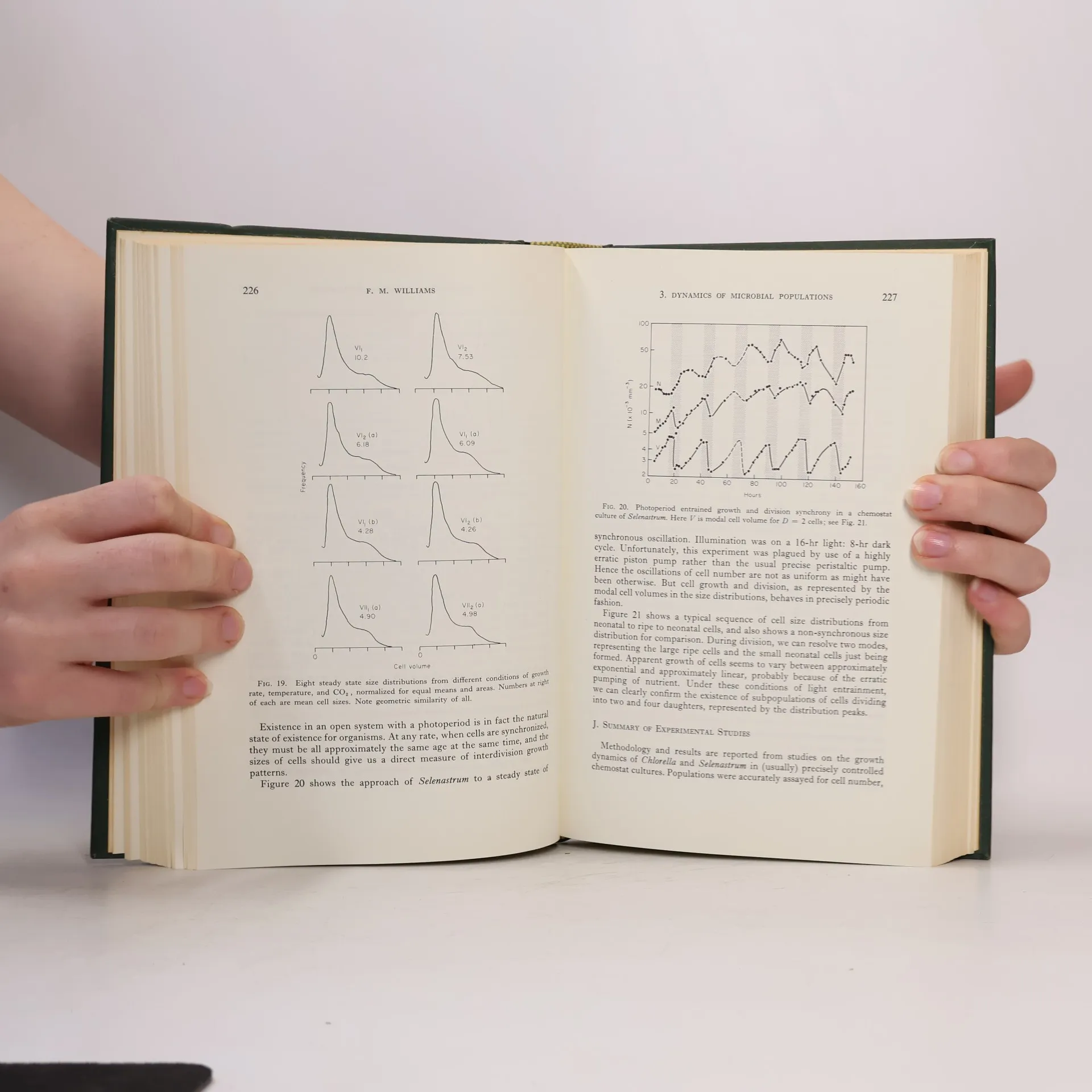
This volume explores the transition of ecology from a "soft" science to a "hard" science, emphasizing the adaptability of scientific methods to new ecological truths. It marks a shift in ecological science from explanatory to predictive criteria, aiming for optimal design and control of ecosystems. The book is divided into three parts. Part I offers an overview of methods and rationales for ecological systems modeling, introducing the use of analog and digital computers for simulation and the principles of ecological model-building. Part II presents three approaches to population modeling, including a mathematical analysis of microbial dynamics in various cultures and a bioenergetics study of the terrestrial isopod Armadillidium, employing concepts from control theory and classical dynamic analysis. Part III compiles papers on various aspects and philosophies of ecological simulation, addressing common challenges in ecosystem simulation and exploring the potential integration of newer systems ecology methods with traditional synecology data and observations. Overall, the book serves as an optimistic exploration of the evolving landscape of ecological research and its methodologies.


Zakup książki
Systems Analysis and Simulation in Ecology, Bernard C. Patten
- Język

- Rok wydania
- 1971
- Oprawa
- (twarda),
- Stan książki
- Uszkodzony
- Cena
- 24,25 zł
Metody płatności
Nikt jeszcze nie ocenił.
- Tytuł
- Systems Analysis and Simulation in Ecology
- Język
- angielski
- Autorzy
- Bernard C. Patten
- Wydawca
- Academic press
- Rok wydania
- 1971
- Oprawa
- twarda
- Liczba stron
- 607
- ISBN10
- 0125472013
- ISBN13
- 9780125472012
- Seria
- Tagi
- Opis
- This volume explores the transition of ecology from a "soft" science to a "hard" science, emphasizing the adaptability of scientific methods to new ecological truths. It marks a shift in ecological science from explanatory to predictive criteria, aiming for optimal design and control of ecosystems. The book is divided into three parts. Part I offers an overview of methods and rationales for ecological systems modeling, introducing the use of analog and digital computers for simulation and the principles of ecological model-building. Part II presents three approaches to population modeling, including a mathematical analysis of microbial dynamics in various cultures and a bioenergetics study of the terrestrial isopod Armadillidium, employing concepts from control theory and classical dynamic analysis. Part III compiles papers on various aspects and philosophies of ecological simulation, addressing common challenges in ecosystem simulation and exploring the potential integration of newer systems ecology methods with traditional synecology data and observations. Overall, the book serves as an optimistic exploration of the evolving landscape of ecological research and its methodologies.