

Parametry
- 240 stron
- 9 godzin czytania
Więcej o książce
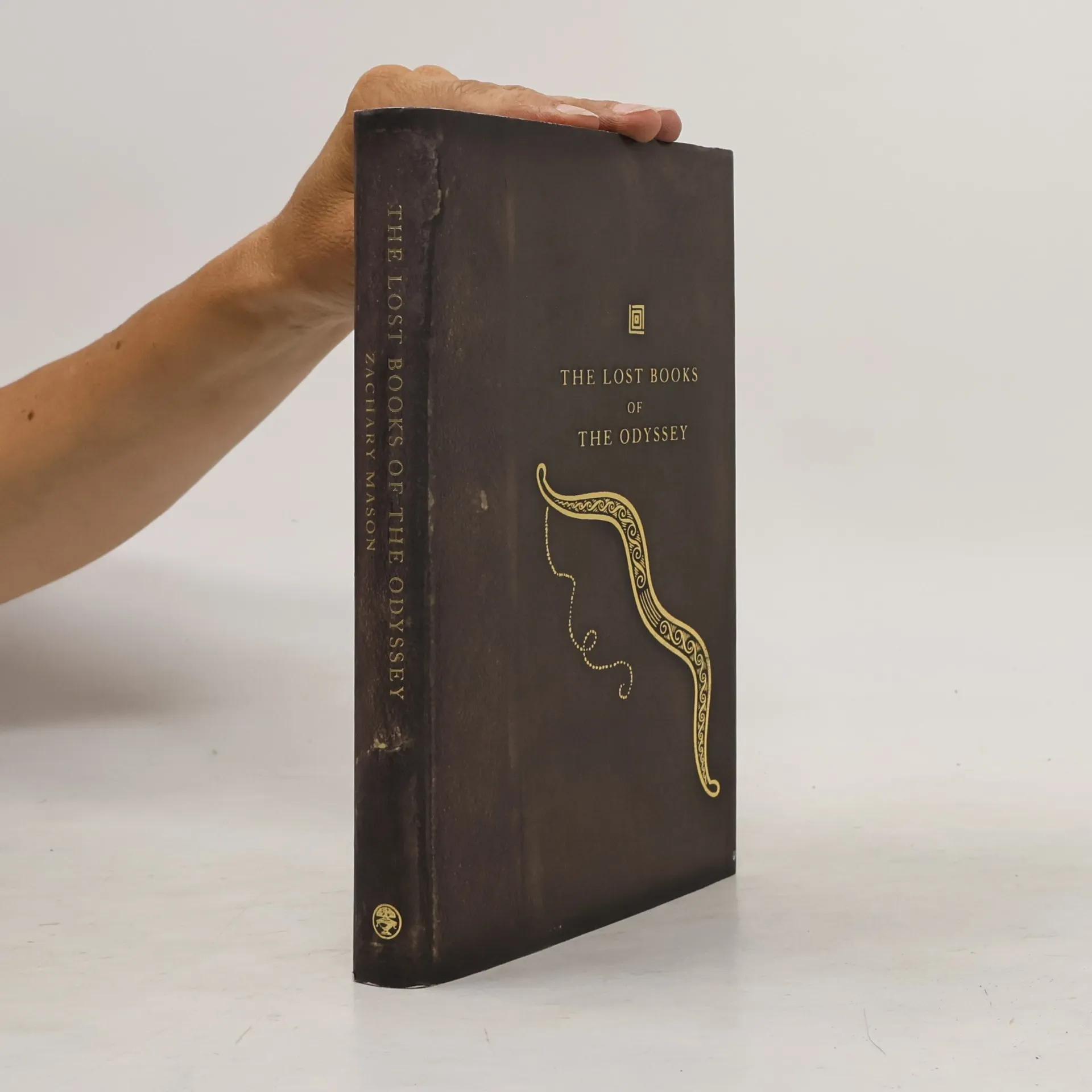
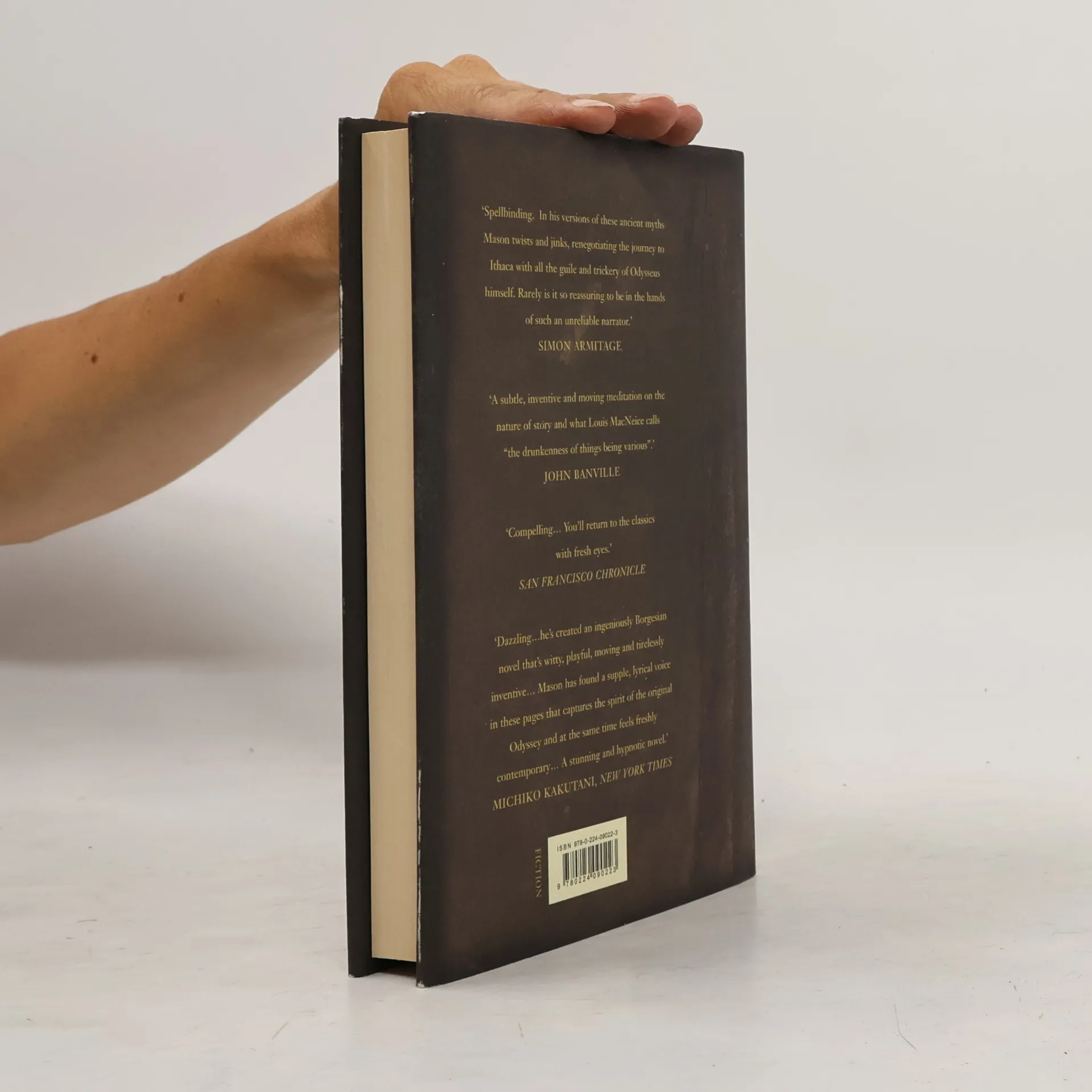
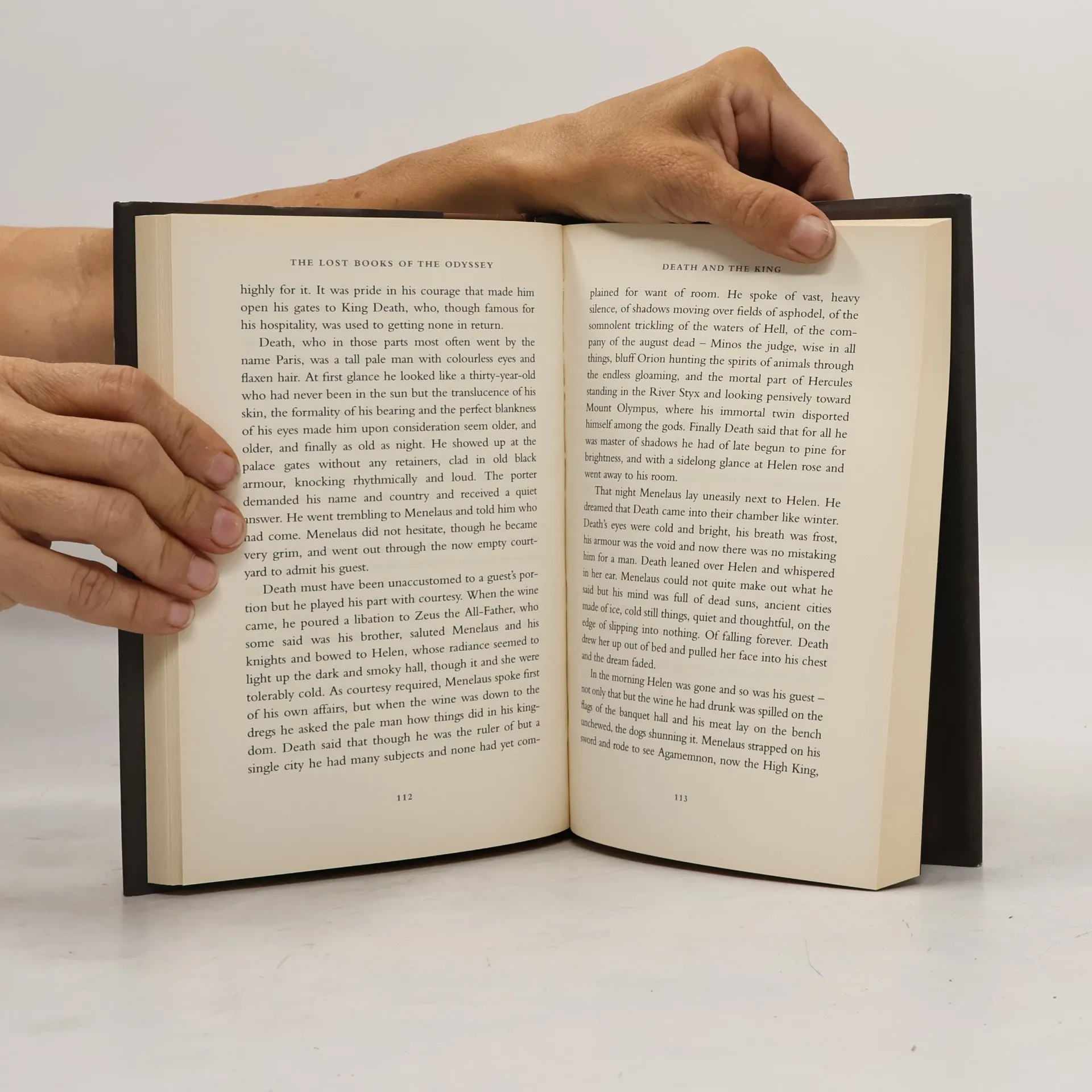
In the plain outside Troy, Agamemnon demands a fortress. With only a few trees and unlimited sand, the Greeks dig an inverted palace into the earth. After ten years, Odysseus returns to Ithaca, discovering his wife Penelope has betrayed him and married; each return reveals a different reality—his family ages and dies, he finds an empty, ruined house, and ultimately, he sets sail again out of boredom, only to return to find Penelope dead. Comprising forty-four retellings of passages from Homer's *Odyssey*, this work serves as a fictional apocrypha, radically reimagining Classical legend. The author takes Homer's linear narrative and disrupts it, presenting fragments of alternative and contradictory versions of familiar tales—the Trojan Horse, the Cyclops, Circe, and the Sirens—reassembling them into new forms. These inverted stories act as glosses, mirrors, and mazes that delve into Odysseus's journey, offering fresh insights into its ambition, sadness, and futility. Echoing Borges and Calvino's *Invisible Cities*, this elegant, allusive, and provocative exploration is destined to become a modern classic.
Zakup książki
The Lost Books of the Odyssey, Zachary Mason, Homér
- Język

- Rok wydania
- 2010
- Oprawa
- (twarda)
Metody płatności
Nikt jeszcze nie ocenił.
- Tytuł
- The Lost Books of the Odyssey
- Podtytuł
- A Novel
- Język
- angielski
- Autorzy
- Zachary Mason, Homér
- Wydawca
- Farrar
- Rok wydania
- 2010
- Oprawa
- twarda
- Liczba stron
- 240
- ISBN10
- 0224090224
- ISBN13
- 9780224090223
- Seria
- Opis
- In the plain outside Troy, Agamemnon demands a fortress. With only a few trees and unlimited sand, the Greeks dig an inverted palace into the earth. After ten years, Odysseus returns to Ithaca, discovering his wife Penelope has betrayed him and married; each return reveals a different reality—his family ages and dies, he finds an empty, ruined house, and ultimately, he sets sail again out of boredom, only to return to find Penelope dead. Comprising forty-four retellings of passages from Homer's *Odyssey*, this work serves as a fictional apocrypha, radically reimagining Classical legend. The author takes Homer's linear narrative and disrupts it, presenting fragments of alternative and contradictory versions of familiar tales—the Trojan Horse, the Cyclops, Circe, and the Sirens—reassembling them into new forms. These inverted stories act as glosses, mirrors, and mazes that delve into Odysseus's journey, offering fresh insights into its ambition, sadness, and futility. Echoing Borges and Calvino's *Invisible Cities*, this elegant, allusive, and provocative exploration is destined to become a modern classic.