

Parametry
- 255 stron
- 9 godzin czytania
Więcej o książce
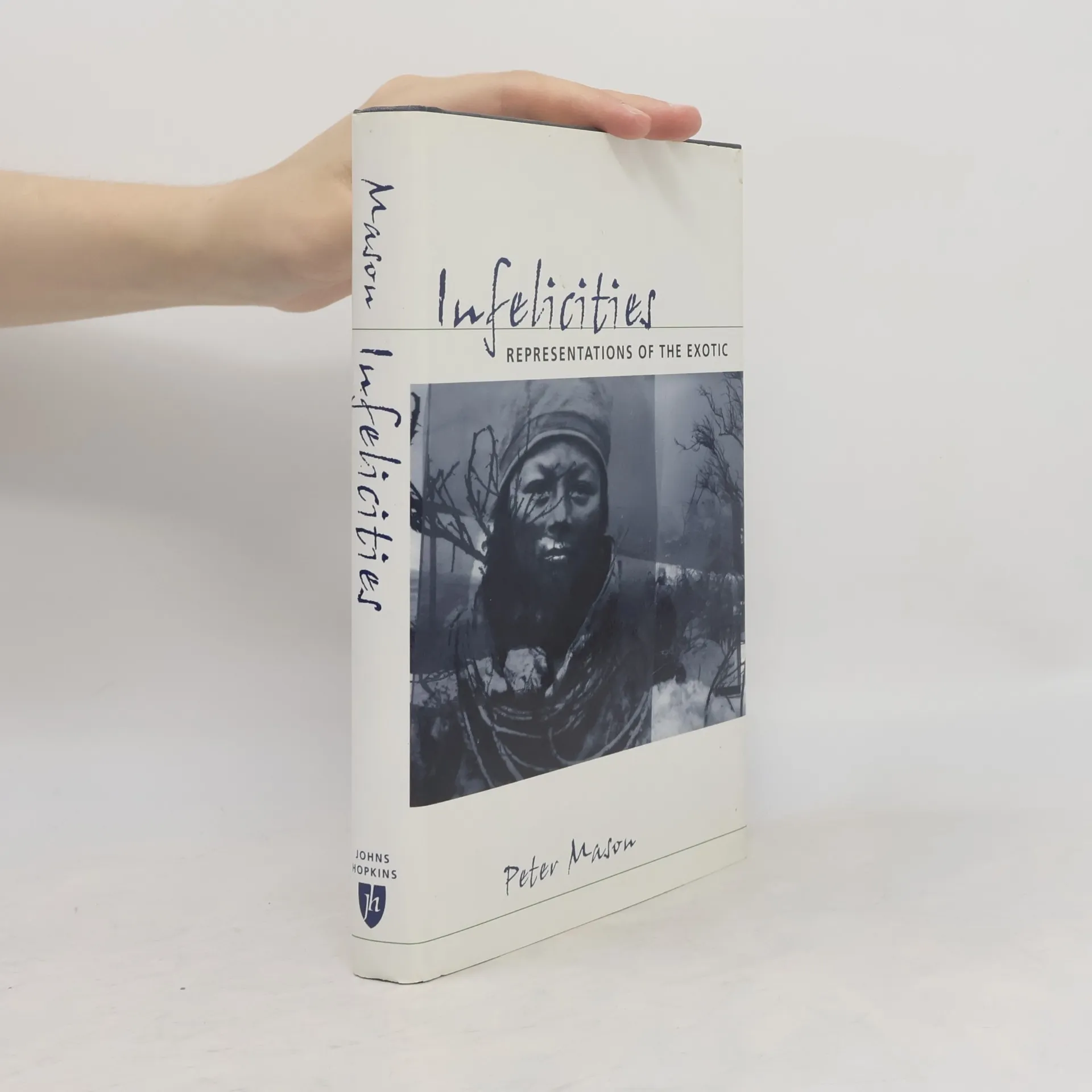
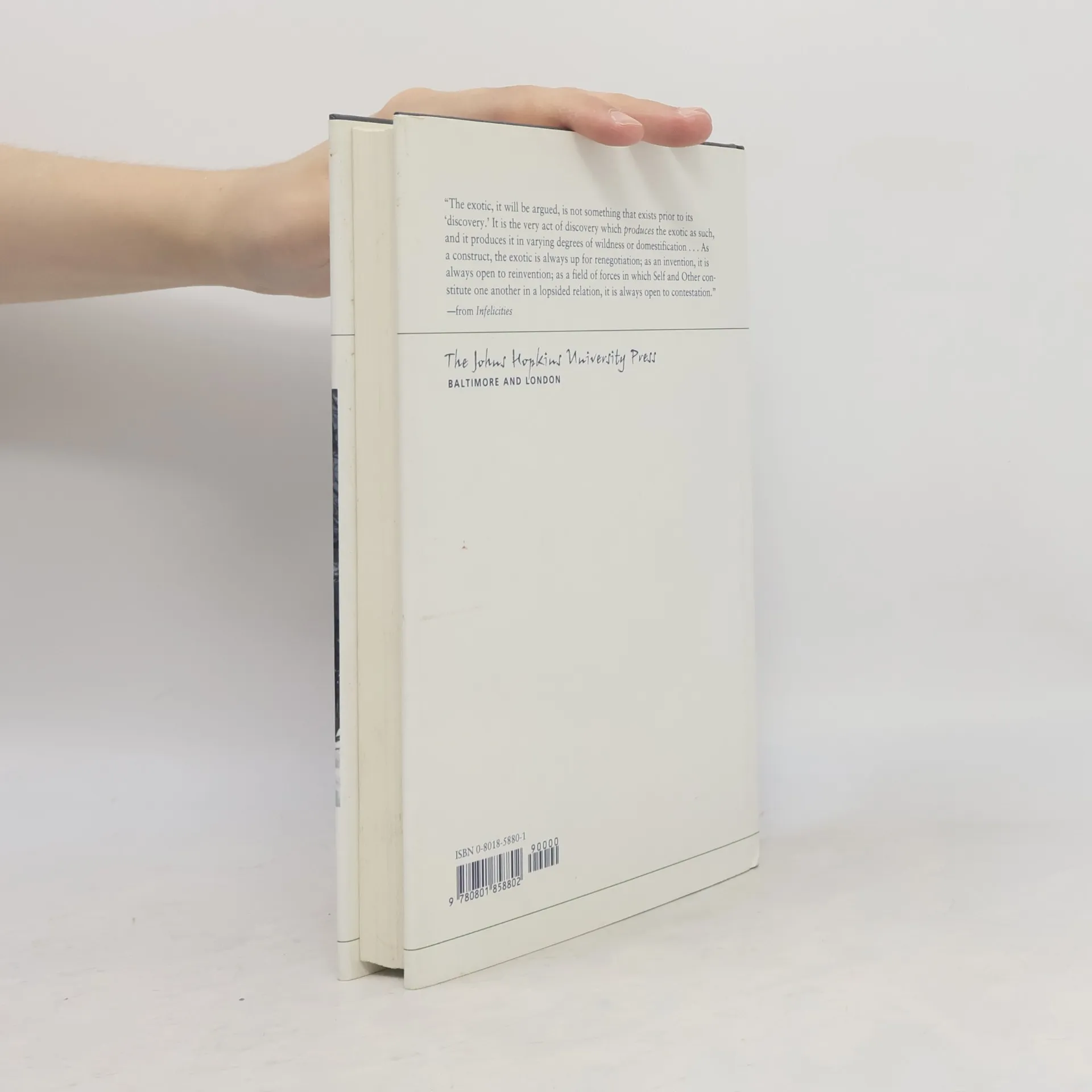
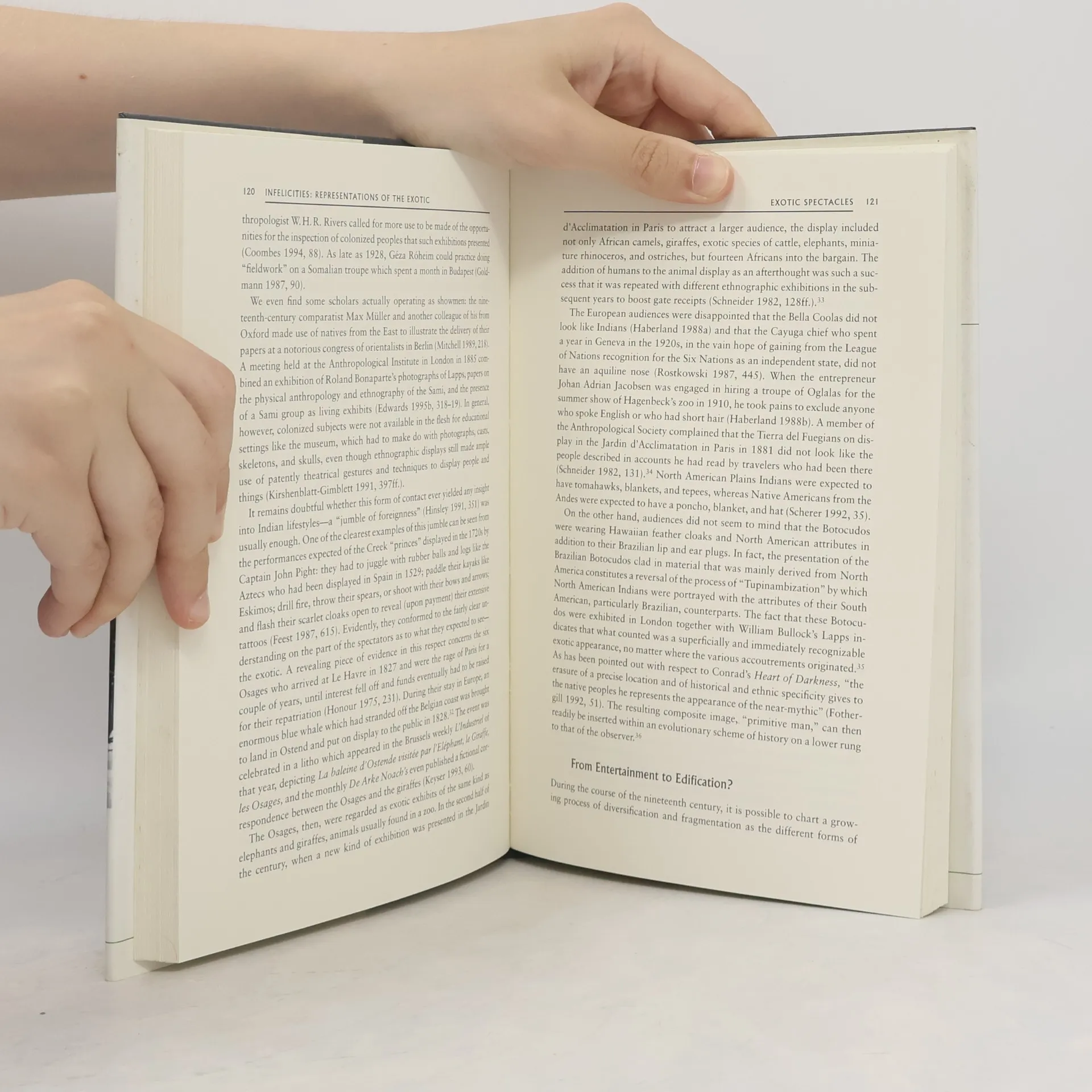
In the sixteenth century, European travelers encountered unfamiliar lands and peoples, necessitating a re-presentation of these experiences to their compatriots, who viewed them as "exotic." Peter Mason argues that the exotic is not an inherent quality but is created through the act of "discovery." He examines how texts, paintings, drawings, photographs, and museum displays have represented the exotic from the early modern period to today. Mason highlights the unique iconography developed by Europeans to depict the exotic and the methods used to display artifacts once they arrived in Europe. In this process, objects are removed from their original contexts and assigned new meanings rooted in European cultural values. He distinguishes between the "exotic" and the "other," noting that understanding the "other" involves engagement and interchange, while encountering the "exotic" is a one-sided effort where the object's meaning remains fixed. The title, Infelicities, references philosopher J. L. Austin’s concept of what occurs when an utterance fails. Mason applies this "doctrine of infelicities" to European encounters with the exotic and their attempts to represent these experiences.
Zakup książki
Infelicities, Peter Mason
- Język

- Rok wydania
- 1998
- Oprawa
- (twarda),
- Stan książki
- Dobry
- Cena
- 76,48 zł
Metody płatności
Nikt jeszcze nie ocenił.
- Tytuł
- Infelicities
- Podtytuł
- Representations of the Exotic
- Język
- angielski
- Autorzy
- Peter Mason
- Rok wydania
- 1998
- Oprawa
- twarda
- Liczba stron
- 255
- ISBN10
- 0801858801
- ISBN13
- 9780801858802
- Seria
- Tagi
- Opis
- In the sixteenth century, European travelers encountered unfamiliar lands and peoples, necessitating a re-presentation of these experiences to their compatriots, who viewed them as "exotic." Peter Mason argues that the exotic is not an inherent quality but is created through the act of "discovery." He examines how texts, paintings, drawings, photographs, and museum displays have represented the exotic from the early modern period to today. Mason highlights the unique iconography developed by Europeans to depict the exotic and the methods used to display artifacts once they arrived in Europe. In this process, objects are removed from their original contexts and assigned new meanings rooted in European cultural values. He distinguishes between the "exotic" and the "other," noting that understanding the "other" involves engagement and interchange, while encountering the "exotic" is a one-sided effort where the object's meaning remains fixed. The title, Infelicities, references philosopher J. L. Austin’s concept of what occurs when an utterance fails. Mason applies this "doctrine of infelicities" to European encounters with the exotic and their attempts to represent these experiences.