

Więcej o książce
And yet when independence came on the stroke of midnight of August 14, 1947, events unfolded with a violence that shocked the world: entire trainloads of Muslim and Hindu refugees were slaughtered on their flight to safety --not by the British, but by each other. Macaulay's dream had become a flawed and bloody reality. The Proudest Day is a riveting account of the end of the Raj, the most romantic of all the great empires. Anthony Read and David Fisher tell the whole epic story in compelling and colorful detail from its beginnings more than a century earlier; their powerful narrative takes a fresh look at many of the events and personalities involved, especially the three charismatic giants --Gandhi, Nehru, and Jinnah --who dominated the final, increasingly bitter thirty years. Meanwhile, a succession of British politicians and viceroys veered wildly between liberalism and repression until the Raj became a powder keg, wanting only a match.
Zakup książki
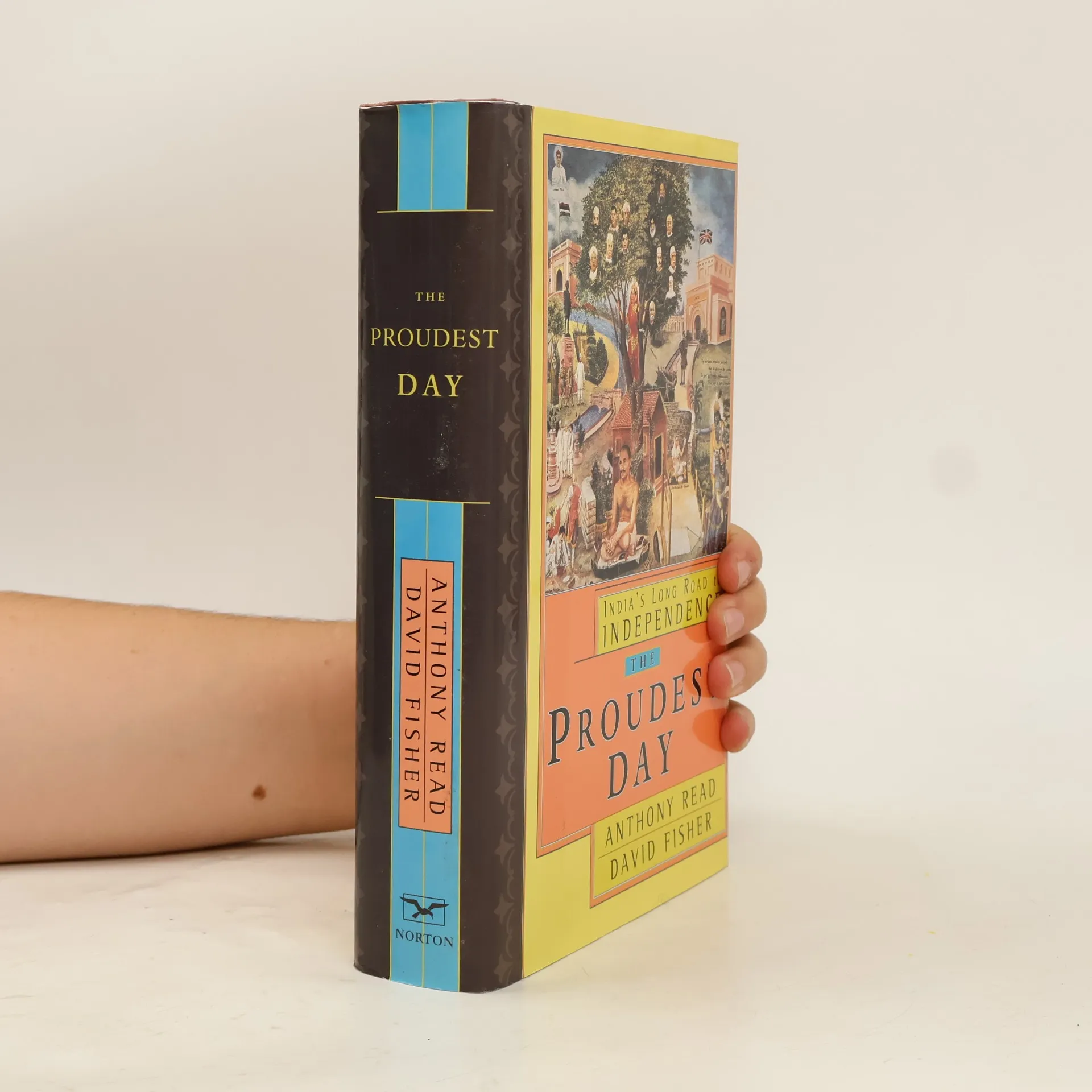
The Proudest Day, Anthony Read, David Fisher
- Język

- Rok wydania
- 1998
- Oprawa
- (twarda),
- Stan książki
- Bardzo dobry
- Cena
- 26,58 zł
Metody płatności
Nikt jeszcze nie ocenił.
- Tytuł
- The Proudest Day
- Podtytuł
- India's Long Road to Independence
- Język
- angielski
- Autorzy
- Anthony Read, David Fisher
- Wydawca
- W. W. Norton & Company
- Rok wydania
- 1998
- Oprawa
- twarda
- Liczba stron
- 565
- ISBN10
- 0393045943
- ISBN13
- 9780393045949
- Seria
- Tagi
- Indie
- Opis
- And yet when independence came on the stroke of midnight of August 14, 1947, events unfolded with a violence that shocked the world: entire trainloads of Muslim and Hindu refugees were slaughtered on their flight to safety --not by the British, but by each other. Macaulay's dream had become a flawed and bloody reality. The Proudest Day is a riveting account of the end of the Raj, the most romantic of all the great empires. Anthony Read and David Fisher tell the whole epic story in compelling and colorful detail from its beginnings more than a century earlier; their powerful narrative takes a fresh look at many of the events and personalities involved, especially the three charismatic giants --Gandhi, Nehru, and Jinnah --who dominated the final, increasingly bitter thirty years. Meanwhile, a succession of British politicians and viceroys veered wildly between liberalism and repression until the Raj became a powder keg, wanting only a match.