

Parametry
- 200 stron
- 7 godzin czytania
Więcej o książce
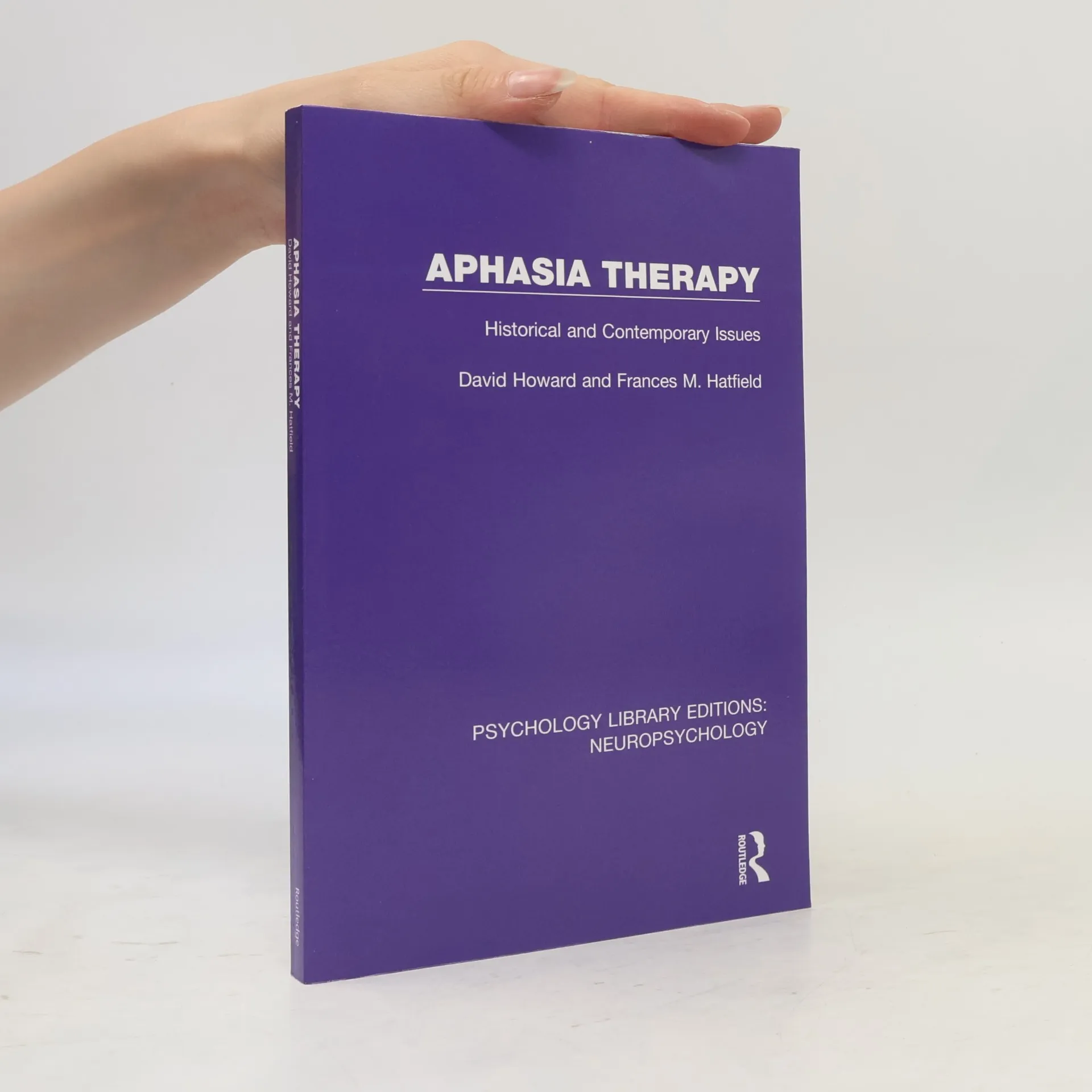
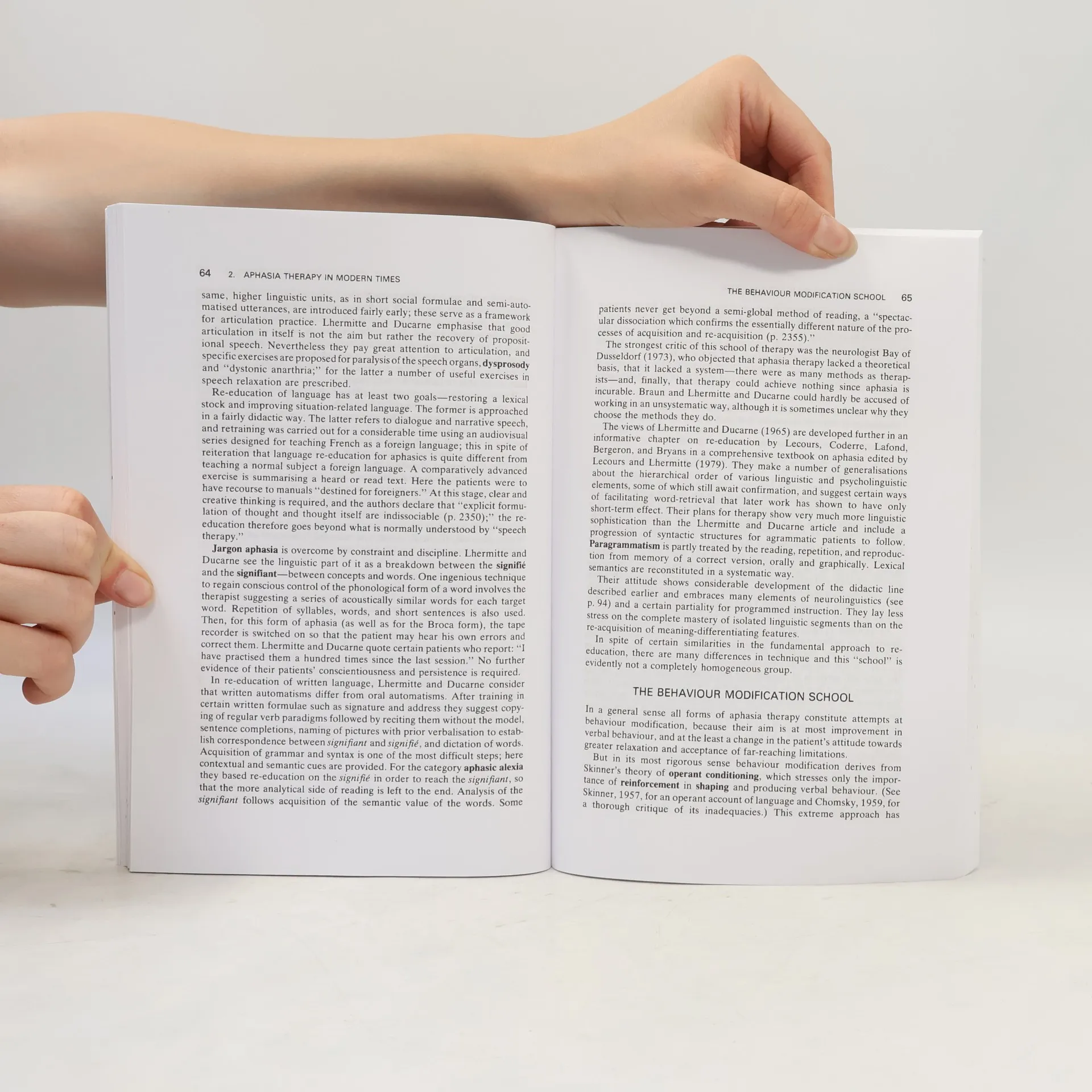
Originally published in 1987, Aphasia Therapy surveys the approaches to aphasia treatment from throughout the world that have been taken both in the past and in the present day. The authors critically examine the assumptions underlying different approaches, and show their effects on modern clinical practices. Finally, the book offers new perspectives on some contemporary issues in aphasia therapy, the effectiveness of treatment, and the relationship between an analysis of a patient's problems and the processes of treatment. Aphasia Therapy is divided into three parts: Part 1 illustrates some approaches to treatment in the period up to World War II - for instance, a didactic approach which emphasised the importance of repetition; the second part considers the different kinds of approaches to therapy that have developed since then - seven "schools" of treatment are identified; Part 3 considers whether there is evidence that treatment of aphasia is effective: the authors argue that in future, aphasia treatment must involve the development and evaluation of specific treatment methods that are theoretically motivated by a coherent analysis of the individual patient's problems. Students, postgraduates, and practising clinicians in speech therapy will find this volume of great interest, as will neuropsychologists and clinical psychologists.
Zakup książki
Psychology Library Editions: Neuropsychology: Aphasia Therapy, David Howard, Frances M. Hatfield
- Język

- Rok wydania
- 2020
- Oprawa
- (miękka),
- Stan książki
- Bardzo dobry
- Cena
- 90,94 zł
Metody płatności
Nikt jeszcze nie ocenił.
- Tytuł
- Psychology Library Editions: Neuropsychology: Aphasia Therapy
- Podtytuł
- Historical and Contemporary Issues
- Język
- angielski
- Autorzy
- David Howard, Frances M. Hatfield
- Wydawca
- Routledge
- Rok wydania
- 2020
- Oprawa
- miękka
- Liczba stron
- 200
- ISBN10
- 1138592218
- ISBN13
- 9781138592216
- Seria
- Tagi
- Opis
- Originally published in 1987, Aphasia Therapy surveys the approaches to aphasia treatment from throughout the world that have been taken both in the past and in the present day. The authors critically examine the assumptions underlying different approaches, and show their effects on modern clinical practices. Finally, the book offers new perspectives on some contemporary issues in aphasia therapy, the effectiveness of treatment, and the relationship between an analysis of a patient's problems and the processes of treatment. Aphasia Therapy is divided into three parts: Part 1 illustrates some approaches to treatment in the period up to World War II - for instance, a didactic approach which emphasised the importance of repetition; the second part considers the different kinds of approaches to therapy that have developed since then - seven "schools" of treatment are identified; Part 3 considers whether there is evidence that treatment of aphasia is effective: the authors argue that in future, aphasia treatment must involve the development and evaluation of specific treatment methods that are theoretically motivated by a coherent analysis of the individual patient's problems. Students, postgraduates, and practising clinicians in speech therapy will find this volume of great interest, as will neuropsychologists and clinical psychologists.