

Więcej o książce
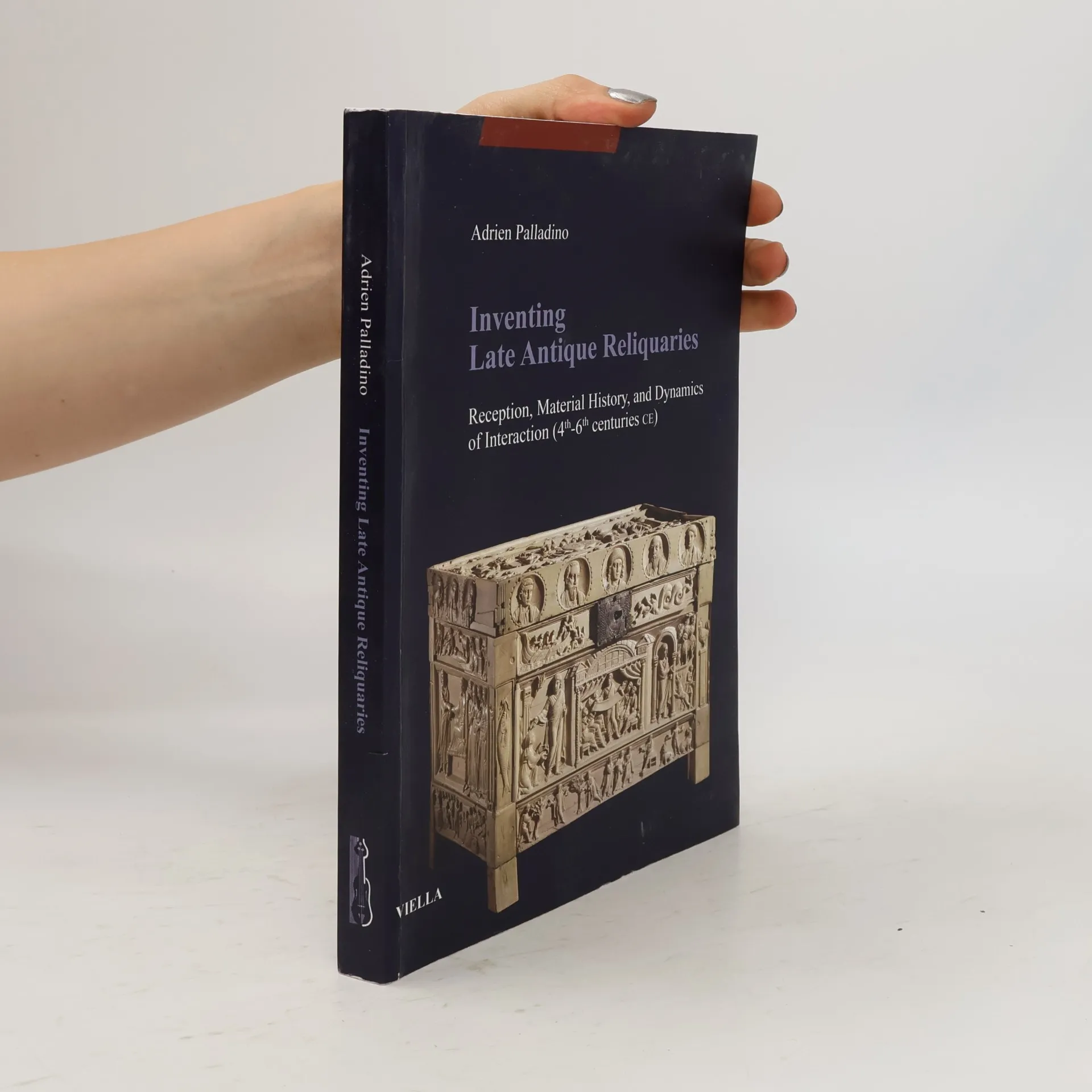
The cult of saints, their relics, and devotion to their shrines is a phenomenon born in Late Antiquity that durably shaped medieval and modern practices across a broad geographical and cultural area spreading first throughout the Roman Empire and beyond. How was the creation of vessels for the holy remains of saints implemented during a culturally heterogenous period? Indeed, how could boxes of various shapes, sizes, and materials become containers to shelter sacred matter? What materials could be used in reliquaries' making, and what images should adorn them? And how did reliquaries, with their geographical and social portability, contribute to the translocation of site-bound sanctity and the spread of saints' and shrines' networks across the Late Antique world? Tracing the medieval reliquary's "pre-history", this volume examines boxes bearing Christian images and patterns made between the fourth to the sixth century ce. It investigates how vessels adorned with images acquired meaning and power, exploring the dynamics of transformation that accompany both the creation of these objects and their long history of reuse, marginalization, and rediscovery.
Zakup książki
Studia Artium Medievalium Brunensia - 12: Inventing Late Antique Reliquaries, Adrien Palladino
- Język

- Rok wydania
- 2022
- Oprawa
- (miękka)
Metody płatności
Nikt jeszcze nie ocenił.
- Tytuł
- Studia Artium Medievalium Brunensia - 12: Inventing Late Antique Reliquaries
- Podtytuł
- Reception, Material History, and Dynamics of Interaction 4th-6th Centuries CE
- Język
- angielski
- Autorzy
- Adrien Palladino
- Wydawca
- Viella Libreria Editrice
- Rok wydania
- 2022
- Oprawa
- miękka
- Liczba stron
- 309
- ISBN10
- 8833138674
- ISBN13
- 9788833138671
- Seria
- Tagi
- Tematy historyczne, Tematy religijne, Sztuka, Tematy chrześcijańskie, Europa, Średniowiecze, Historia religii
- Opis
- The cult of saints, their relics, and devotion to their shrines is a phenomenon born in Late Antiquity that durably shaped medieval and modern practices across a broad geographical and cultural area spreading first throughout the Roman Empire and beyond. How was the creation of vessels for the holy remains of saints implemented during a culturally heterogenous period? Indeed, how could boxes of various shapes, sizes, and materials become containers to shelter sacred matter? What materials could be used in reliquaries' making, and what images should adorn them? And how did reliquaries, with their geographical and social portability, contribute to the translocation of site-bound sanctity and the spread of saints' and shrines' networks across the Late Antique world? Tracing the medieval reliquary's "pre-history", this volume examines boxes bearing Christian images and patterns made between the fourth to the sixth century ce. It investigates how vessels adorned with images acquired meaning and power, exploring the dynamics of transformation that accompany both the creation of these objects and their long history of reuse, marginalization, and rediscovery.