

Więcej o książce
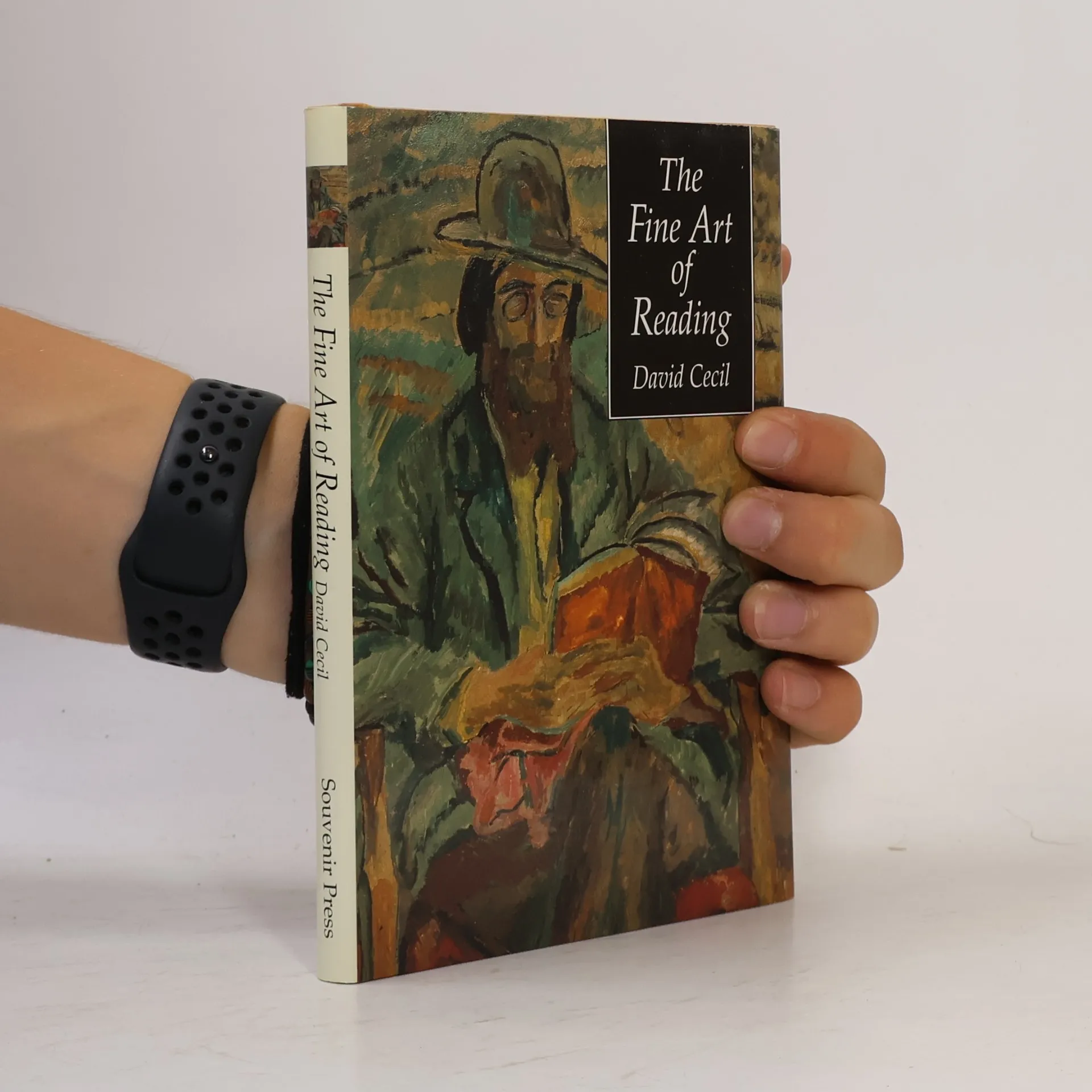
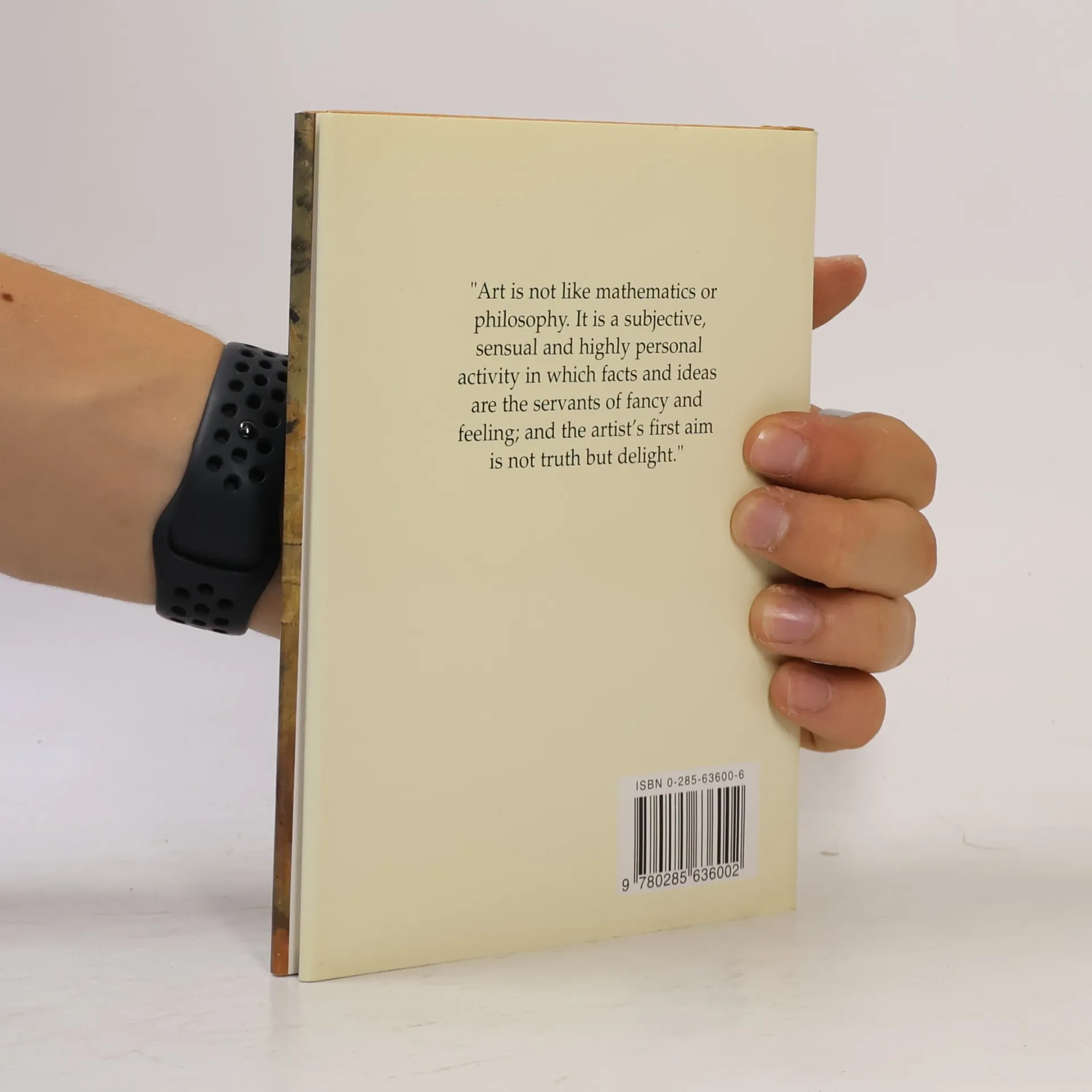
The Fine Art of Reading was Cecil's inaugural lecture as Goldsmiths' Professor of English Literature at Oxford in 1949; it is also the title of a collection of studies from which the present essay is taken. Like all his other works, the piece combines scholarly attention to detail with accessibility to a general audience. In an engaging manner, Cecil assesses the relative merits of great authors and poets such as Milton, Gray and Shelley, while stressing that the only important distinction is between good and bad art. There are as many different kinds of good book as there are different kinds of good writer. Each has something to give us. We should admire each in so far as he strikes us as good in his particular kind. In order to property appreciate good writing we need to cultivate a point of view from which a work's aesthetic qualities occupy our centre vision. This happens naturally with other art forms such as music, where the appeal is purely aesthetic. Proper reading is an art in itself and David Cecil is the finest of instructors.
Zakup książki
Fine Art of Reading, David Cecil
- Język

- Rok wydania
- 2001
- Oprawa
- (twarda),
- Stan książki
- Dobry
- Cena
- 40,81 zł
Metody płatności
Nikt jeszcze nie ocenił.
- Tytuł
- Fine Art of Reading
- Język
- angielski
- Autorzy
- David Cecil
- Wydawca
- Souvenir Press Ltd
- Rok wydania
- 2001
- Oprawa
- twarda
- Liczba stron
- 44
- ISBN10
- 0285636006
- ISBN13
- 9780285636002
- Seria
- Kategorie
- Tagi
- O książkach
- Opis
- The Fine Art of Reading was Cecil's inaugural lecture as Goldsmiths' Professor of English Literature at Oxford in 1949; it is also the title of a collection of studies from which the present essay is taken. Like all his other works, the piece combines scholarly attention to detail with accessibility to a general audience. In an engaging manner, Cecil assesses the relative merits of great authors and poets such as Milton, Gray and Shelley, while stressing that the only important distinction is between good and bad art. There are as many different kinds of good book as there are different kinds of good writer. Each has something to give us. We should admire each in so far as he strikes us as good in his particular kind. In order to property appreciate good writing we need to cultivate a point of view from which a work's aesthetic qualities occupy our centre vision. This happens naturally with other art forms such as music, where the appeal is purely aesthetic. Proper reading is an art in itself and David Cecil is the finest of instructors.