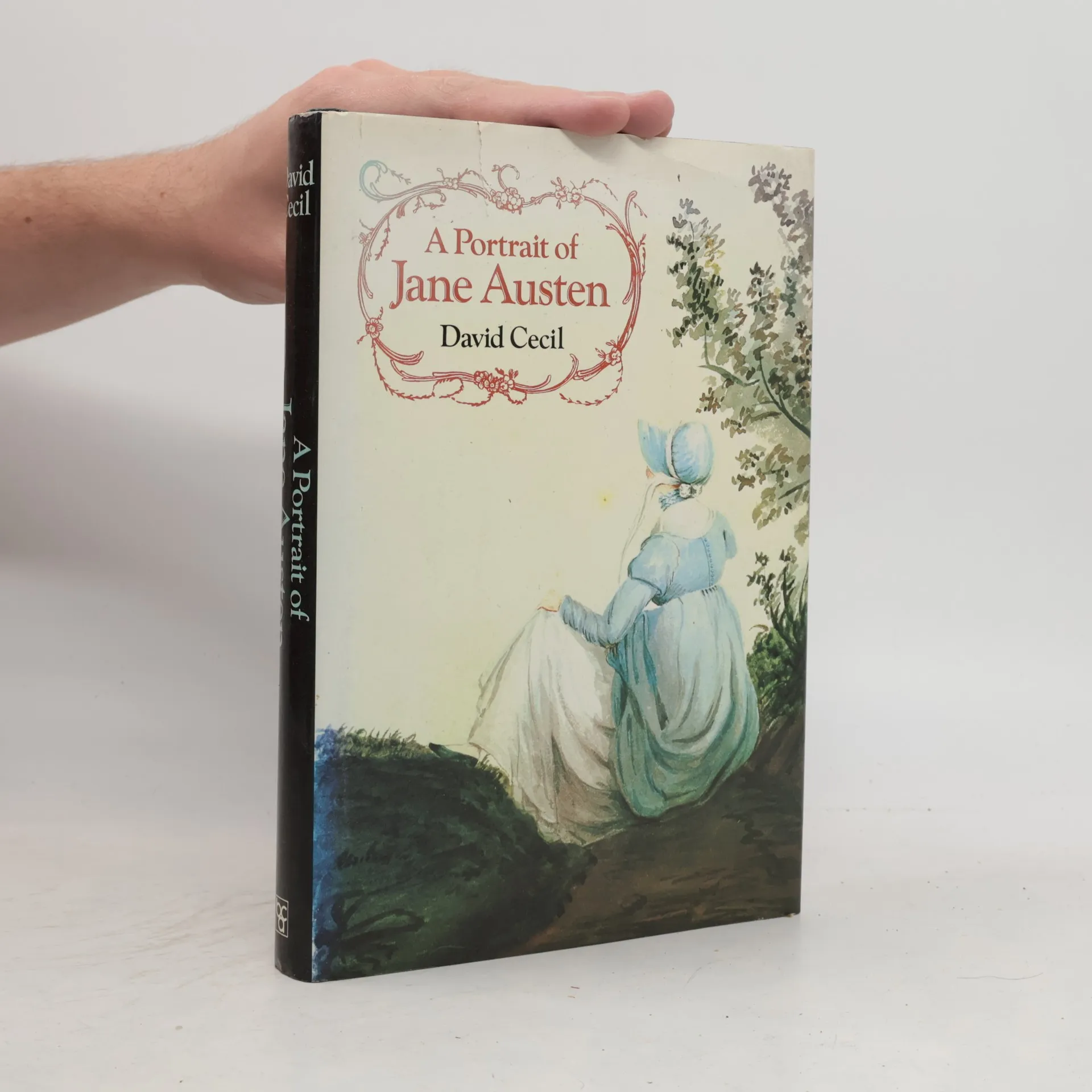
Drawing on Jane Austen's letters, novels and other people's memories of her, Lord David Cecil sets out 'to reconstruct and depict her living personality and to explore its relation to her art'. The portrait that emerges is of a clear-sighted, observant, strong-minded woman whose witty and ironic representation of her own society has delighted readers for centuries.
David Cecil Książki

Visionary and Dreamer
Two Poetic Painters: Samuel Palmer and Edward Burne-Jones
- 328 stron
- 12 godzin czytania
Focusing on the interplay between poetry and visual art, this work highlights the influence of imaginative literature on two pivotal English Romantic painters. Samuel Palmer, known for his visionary style, and Edward Burne-Jones, celebrated for his Pre-Raphaelite aesthetics, both drew inspiration from literary giants like Shakespeare, Milton, and Keats. The narrative explores how their inner lives and poetic inspirations shaped their artistic expressions, revealing the profound connection between poetry and painting during their era.
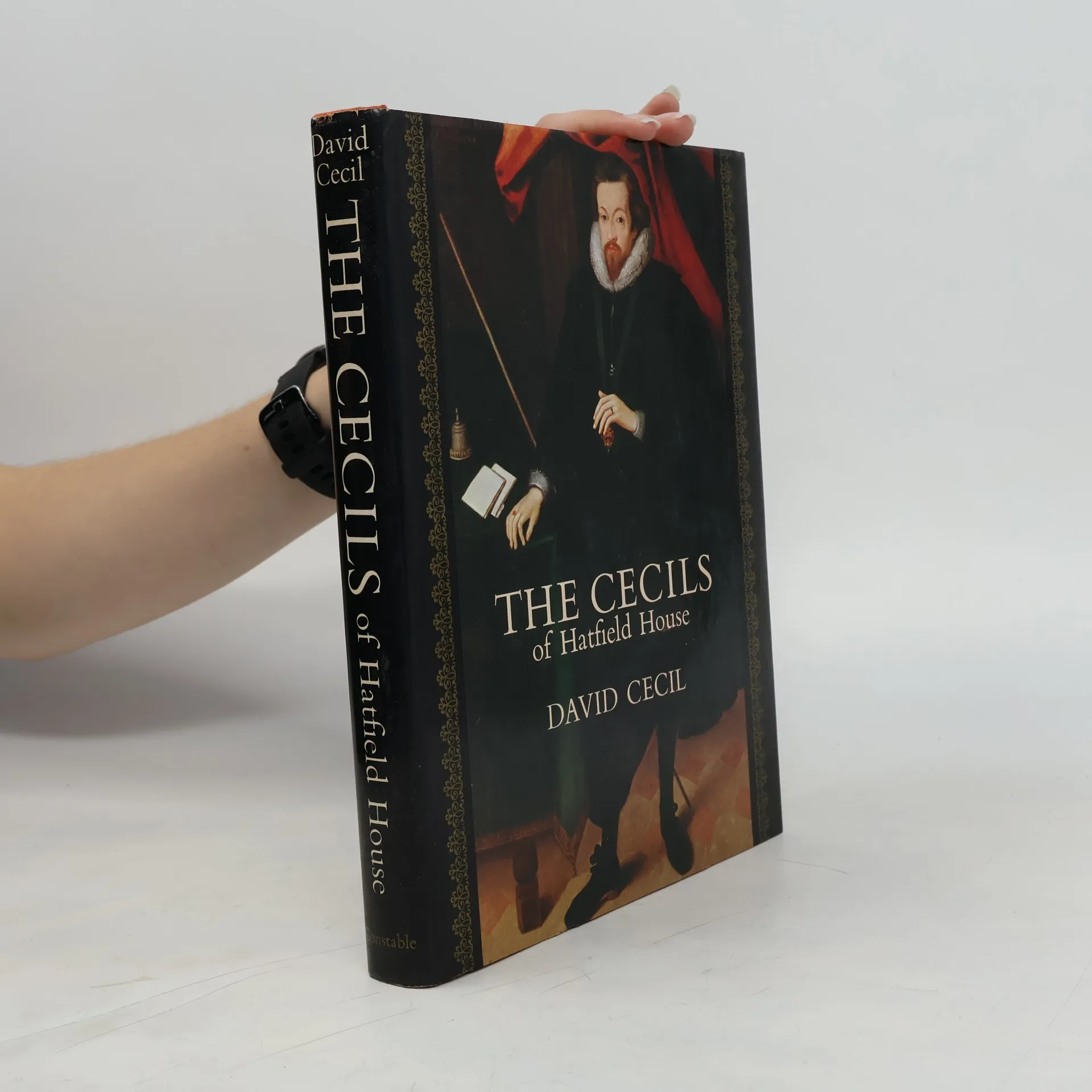
The Cecils of Hatfield House
- 320 stron
- 12 godzin czytania
Lord David Cecil's history of his family from the time of Elizabeth 1 to the personally recalled events when the family again rose to prominence in the late Victorian and Edwardian period. 320 pages, 32 color plates, 120 black and white illustrations.
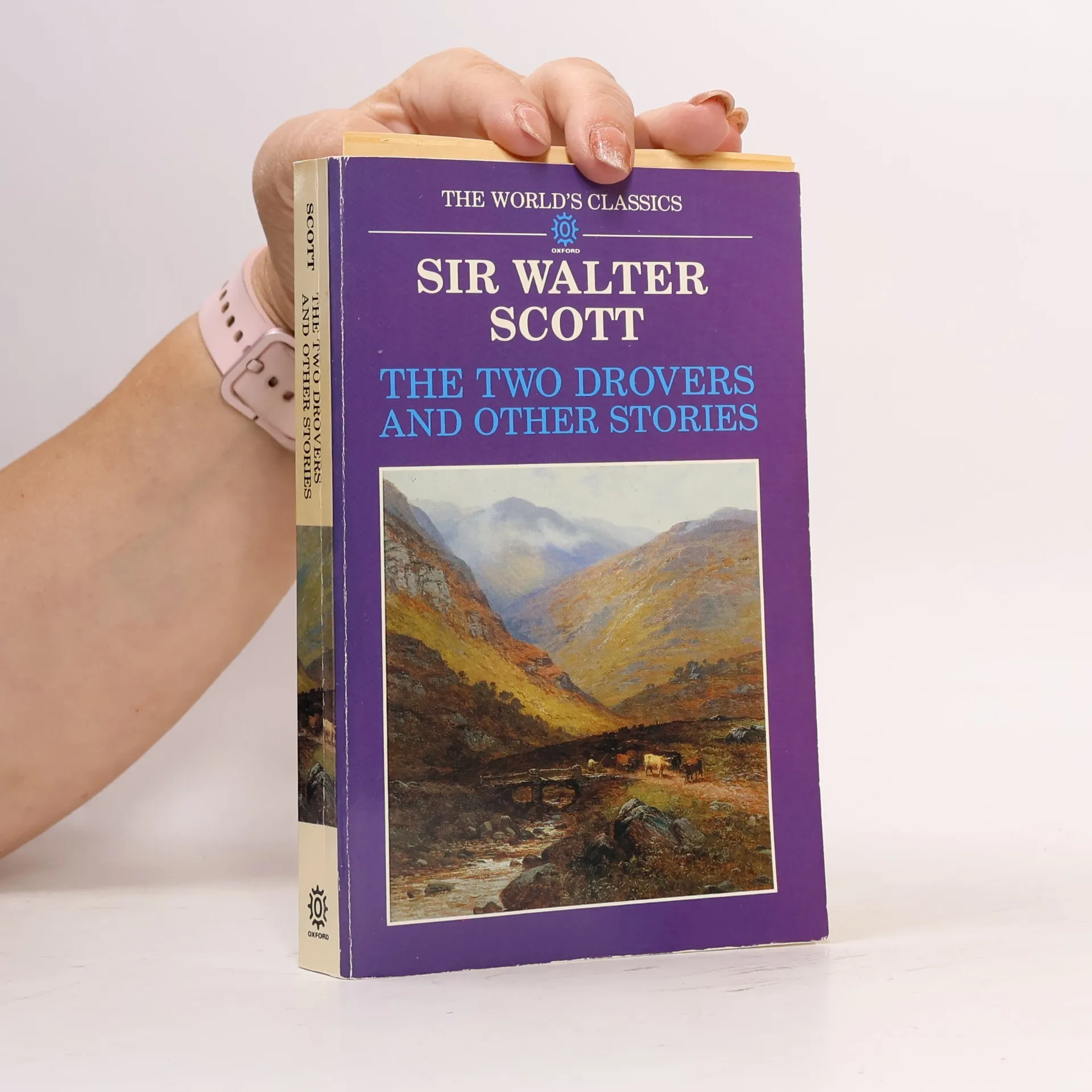
The World's Classics: The Two Drovers and Other Stories
- 474 strony
- 17 godzin czytania
The short stories in this volume deal with Scott's favorite themes: the Highlands and Lowlands of Scotland, historical change, the supernatural, and language. From the stark tragedy of "The Two Drovers" to the chilling and comic portrayal of the supernatural in "Wandering Willie's Tale," these stories provide a natural starting point for those unacquainted with Scott's work as well as those who love his novels.
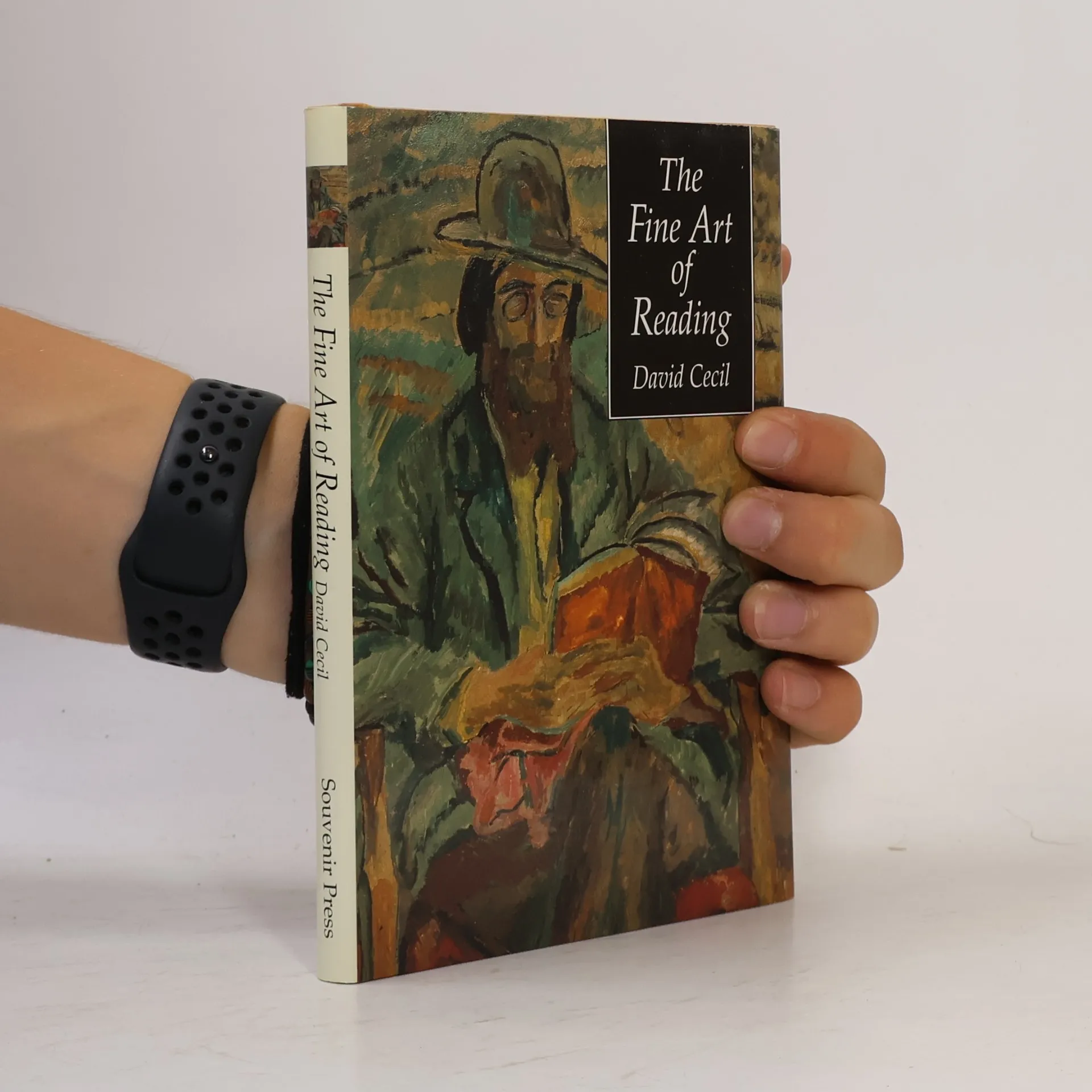
Fine Art of Reading
- 44 strony
- 2 godziny czytania
The Fine Art of Reading was Cecil's inaugural lecture as Goldsmiths' Professor of English Literature at Oxford in 1949; it is also the title of a collection of studies from which the present essay is taken. Like all his other works, the piece combines scholarly attention to detail with accessibility to a general audience. In an engaging manner, Cecil assesses the relative merits of great authors and poets such as Milton, Gray and Shelley, while stressing that the only important distinction is between good and bad art. There are as many different kinds of good book as there are different kinds of good writer. Each has something to give us. We should admire each in so far as he strikes us as good in his particular kind. In order to property appreciate good writing we need to cultivate a point of view from which a work's aesthetic qualities occupy our centre vision. This happens naturally with other art forms such as music, where the appeal is purely aesthetic. Proper reading is an art in itself and David Cecil is the finest of instructors.