

Więcej o książce
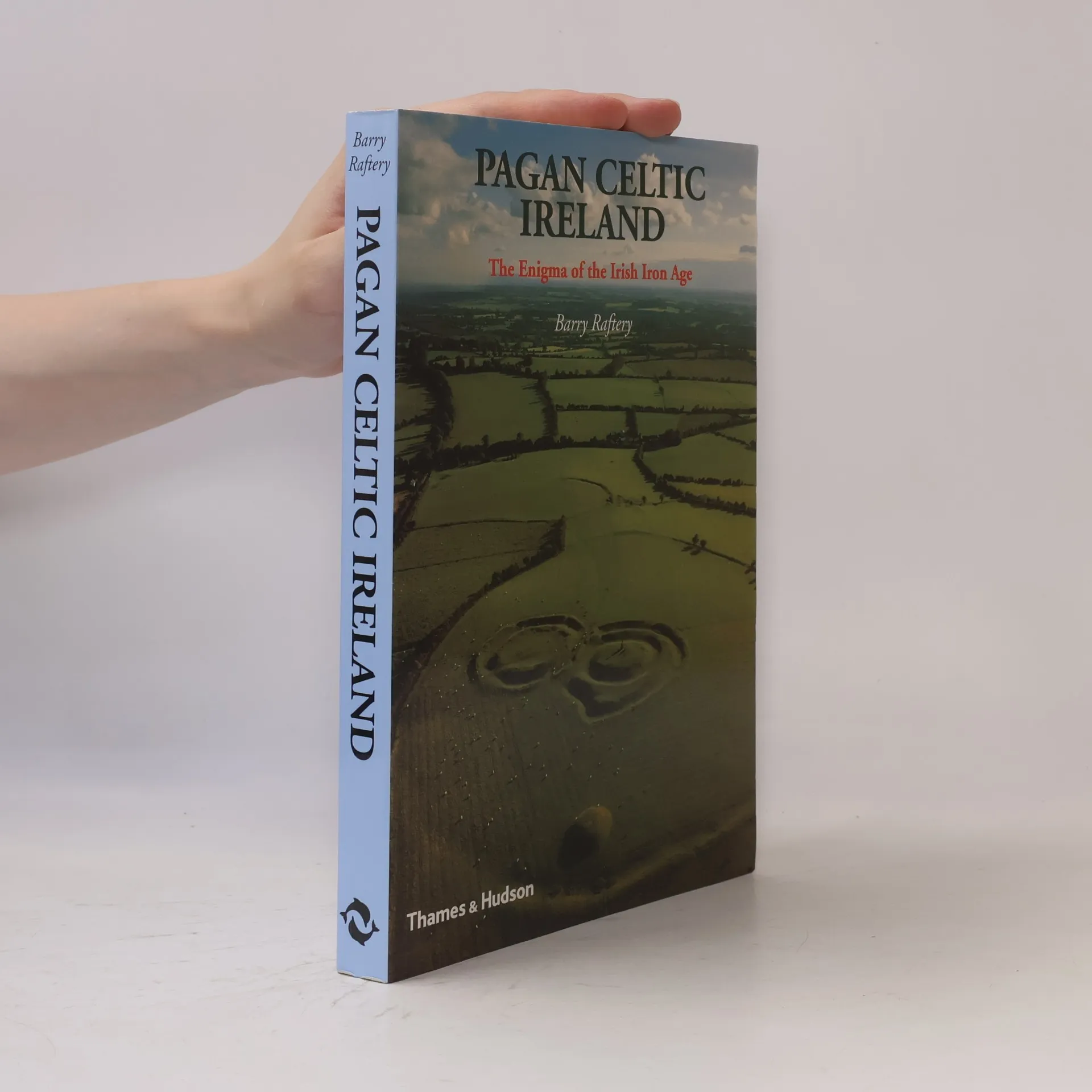
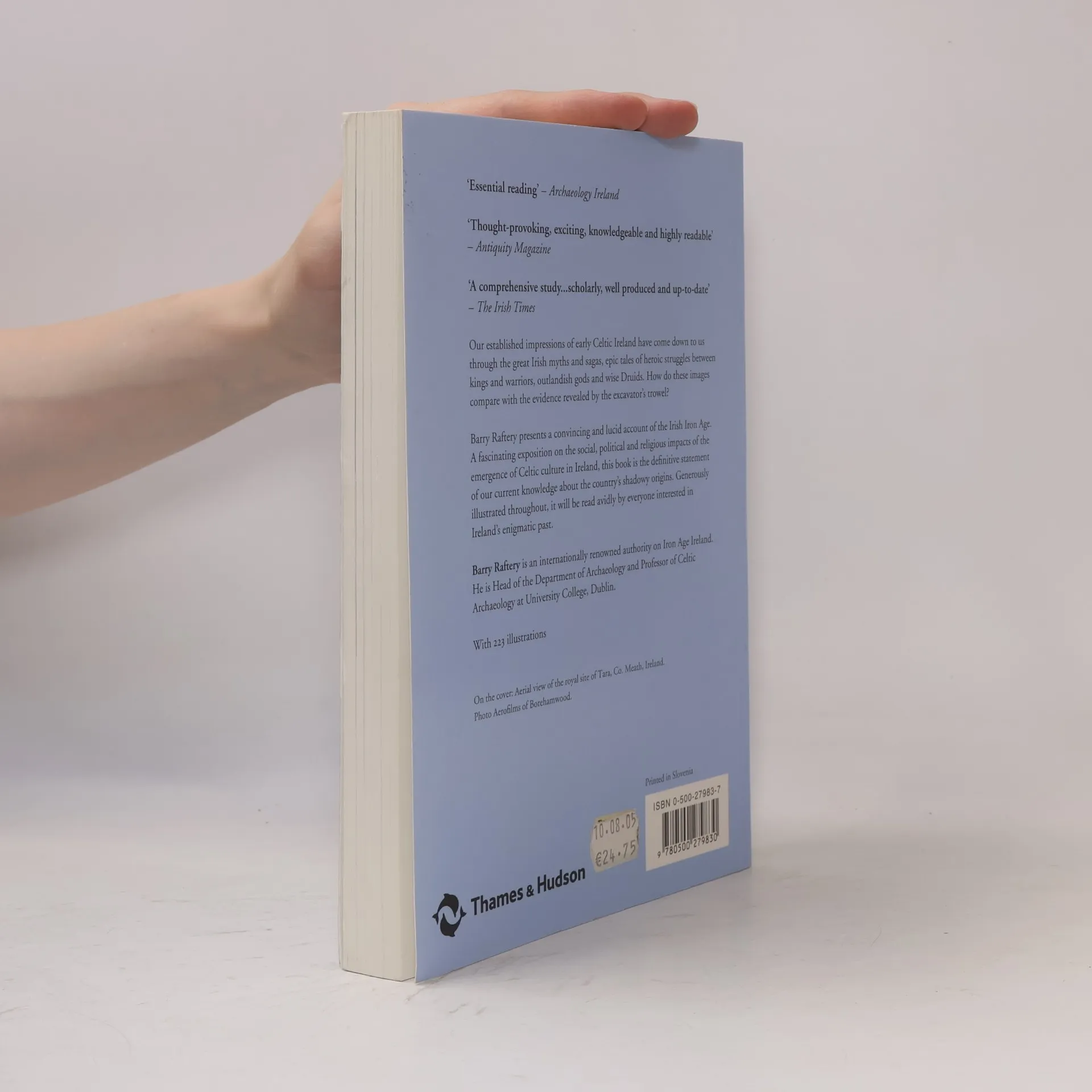
Established impressions of early Celtic Ireland stem from epic sagas depicting heroic struggles, gods, and Druids. However, recent archaeological research has reshaped our understanding of this period. Professor Barry Raftery offers a compelling and contemporary account of Ireland in the millennium before Christianity. The transition from the Bronze Age to Iron Age brought significant changes, including the rise of imposing hillforts. Their purpose—whether defensive, ceremonial, or commercial—remains a topic of exploration. The emergence of the Celtic character in early Ireland coincides with the appearance of La Tene artifacts, which represent the material culture of the European Celts and signify a rising aristocratic elite expressing power through monumental architecture. Raftery delves into advancements in travel and transport, highlighted by the construction of the largest roadway in prehistoric Europe, and explores the lives of common people, the creativity of local metalsmiths, and complex religious beliefs illustrated by standing stones and offerings in water bodies. He also presents new insights into Ireland's interactions with the Roman world and examines whether La Tene culture arrived through invasion or peaceful diffusion. This work serves as a definitive statement on Ireland's Celtic origins, richly illustrated and poised to captivate readers.
Zakup książki
Pagan Celtic Ireland, Barry Raftery
- Język

- Rok wydania
- 2000
- Oprawa
- (miękka)
Metody płatności
Nikt jeszcze nie ocenił.
- Tytuł
- Pagan Celtic Ireland
- Podtytuł
- The Enigma of the Irish Iron Age
- Język
- angielski
- Autorzy
- Barry Raftery
- Wydawca
- Thames & Hudson
- Rok wydania
- 2000
- Oprawa
- miękka
- Liczba stron
- 240
- ISBN10
- 0500279837
- ISBN13
- 9780500279830
- Seria
- Kategorie
- Tagi
- Tematy historyczne, Europa, Starożytność, Historia Europy, Archeologia, Irlandia, Prehistoria & Starożytność, Literatura irlandzka, Pogaństwo
- Opis
- Established impressions of early Celtic Ireland stem from epic sagas depicting heroic struggles, gods, and Druids. However, recent archaeological research has reshaped our understanding of this period. Professor Barry Raftery offers a compelling and contemporary account of Ireland in the millennium before Christianity. The transition from the Bronze Age to Iron Age brought significant changes, including the rise of imposing hillforts. Their purpose—whether defensive, ceremonial, or commercial—remains a topic of exploration. The emergence of the Celtic character in early Ireland coincides with the appearance of La Tene artifacts, which represent the material culture of the European Celts and signify a rising aristocratic elite expressing power through monumental architecture. Raftery delves into advancements in travel and transport, highlighted by the construction of the largest roadway in prehistoric Europe, and explores the lives of common people, the creativity of local metalsmiths, and complex religious beliefs illustrated by standing stones and offerings in water bodies. He also presents new insights into Ireland's interactions with the Roman world and examines whether La Tene culture arrived through invasion or peaceful diffusion. This work serves as a definitive statement on Ireland's Celtic origins, richly illustrated and poised to captivate readers.