


Parametry
- 268 stron
- 10 godzin czytania
Więcej o książce
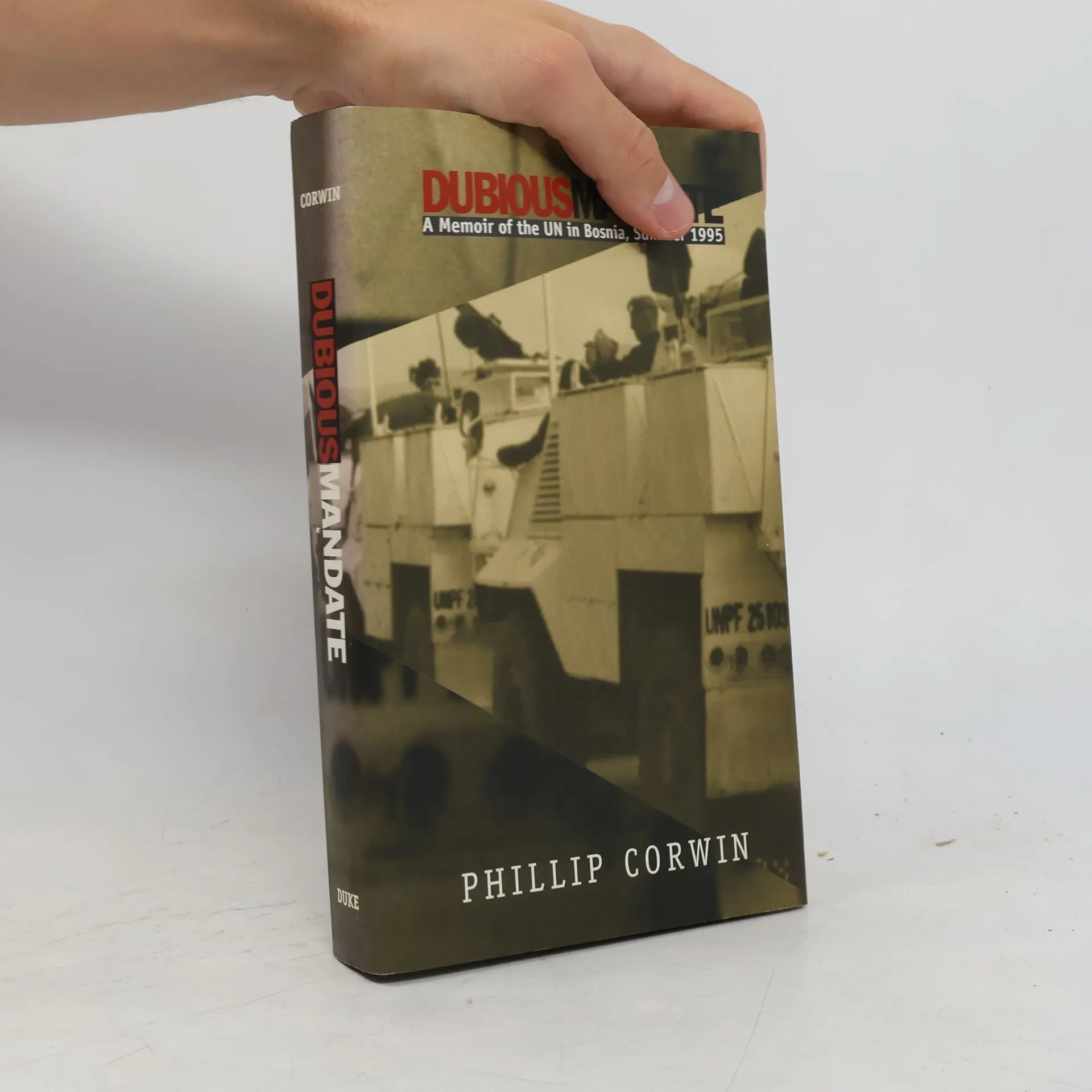
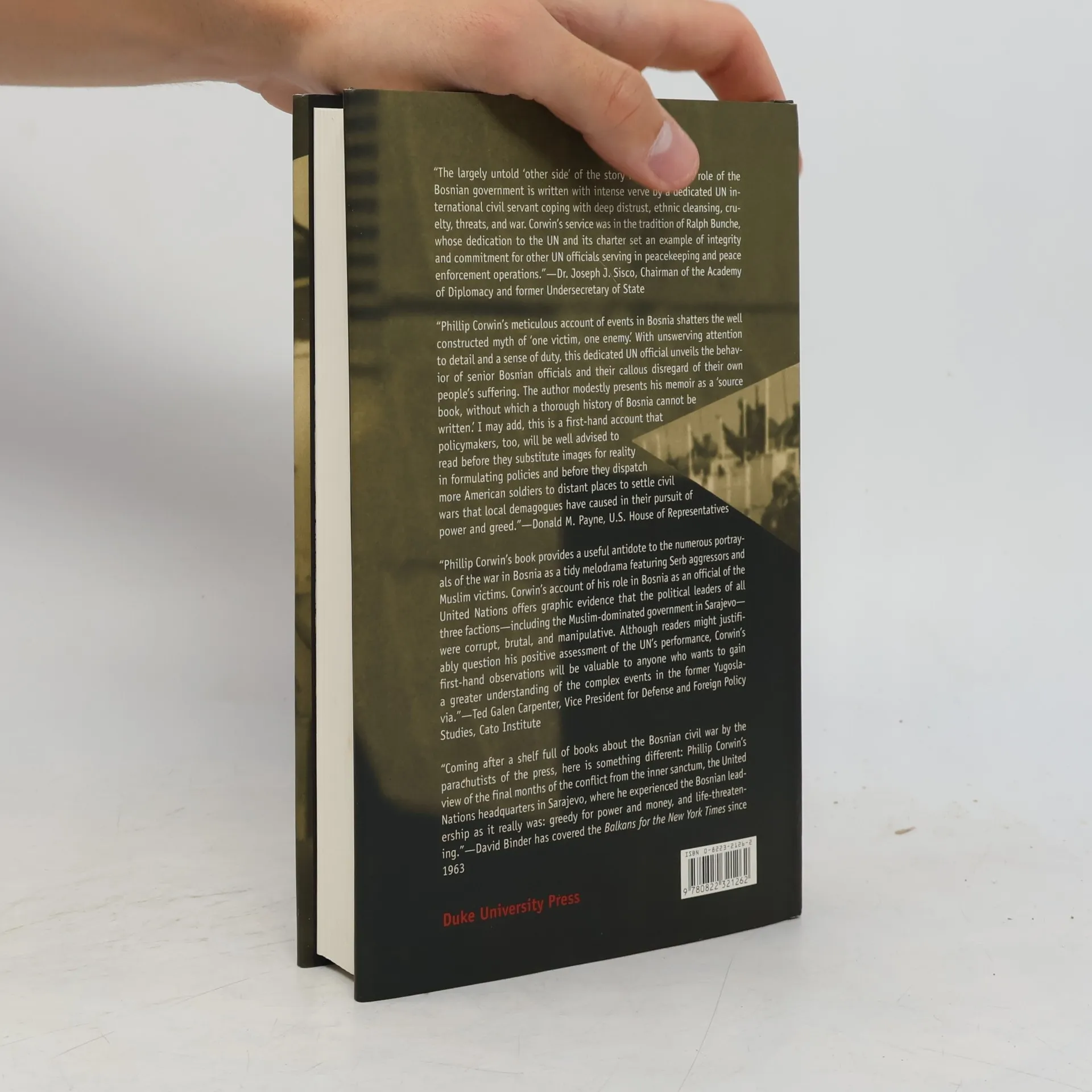
In 1995, a pivotal year for peacekeeping, the role of United Nations forces in Bosnia shifted dramatically from protection to active combat under NATO leadership. Phillip Corwin, the UN’s chief political officer in Sarajevo that summer, provides an insider’s perspective on the events that prompted this change. He combines personal experiences of life in a war zone—such as supply shortages, human suffering, and corruption—with historical context, challenging prevailing views of the conflict through informed political commentary. While acknowledging the UN's achievements, Corwin critiques its acceptance of military force and questions the Bosnian government's strategies to involve NATO. He argues against the portrayal of the Bosnian government as a noble victim, asserting that all sides were led by "gangsters wearing coats and ties." Corwin scrutinizes Western media coverage and the policies of various political and military leaders, detailing a critical phase of the war that led to NATO's extensive bombing of Bosnian Serb targets and the eventual Dayton Peace Agreement. He emphasizes that understanding this period is essential for grasping the broader conflict. Additionally, Corwin offers insightful profiles of key figures in the Bosnian crisis, making this account valuable for diplomats, military personnel, scholars, and anyone seeking to comprehend the UN's mission and the events in the former Yugoslavia during the 1990s.
Zakup książki
Dubious Mandate, Phillip Corwin
- Język

- Rok wydania
- 1999
- Oprawa
- (twarda),
- Stan książki
- Dobry
- Cena
- 46,27 zł
Metody płatności
Nikt jeszcze nie ocenił.
- Tytuł
- Dubious Mandate
- Podtytuł
- A Memoir of the UN in Bosnia, Summer 1995
- Język
- angielski
- Autorzy
- Phillip Corwin
- Wydawca
- Duke University Press
- Rok wydania
- 1999
- Oprawa
- twarda
- Liczba stron
- 268
- ISBN10
- 0822321262
- ISBN13
- 9780822321262
- Seria
- Tagi
- Opis
- In 1995, a pivotal year for peacekeeping, the role of United Nations forces in Bosnia shifted dramatically from protection to active combat under NATO leadership. Phillip Corwin, the UN’s chief political officer in Sarajevo that summer, provides an insider’s perspective on the events that prompted this change. He combines personal experiences of life in a war zone—such as supply shortages, human suffering, and corruption—with historical context, challenging prevailing views of the conflict through informed political commentary. While acknowledging the UN's achievements, Corwin critiques its acceptance of military force and questions the Bosnian government's strategies to involve NATO. He argues against the portrayal of the Bosnian government as a noble victim, asserting that all sides were led by "gangsters wearing coats and ties." Corwin scrutinizes Western media coverage and the policies of various political and military leaders, detailing a critical phase of the war that led to NATO's extensive bombing of Bosnian Serb targets and the eventual Dayton Peace Agreement. He emphasizes that understanding this period is essential for grasping the broader conflict. Additionally, Corwin offers insightful profiles of key figures in the Bosnian crisis, making this account valuable for diplomats, military personnel, scholars, and anyone seeking to comprehend the UN's mission and the events in the former Yugoslavia during the 1990s.