

Parametry
- 376 stron
- 14 godzin czytania
Więcej o książce
This annotation presents a compelling examination of the critical issue of information disclosure by governments and powerful organizations. It highlights the dangers of excessive secrecy, which can erode democracy, foster corruption, and hinder effective public policymaking. However, it also acknowledges the necessity of maintaining confidentiality around military strategies, personal data, and trade secrets to protect the public interest. In recent years, there has been a global push for transparency, with countries like India and South Africa implementing groundbreaking freedom of information laws. China is also moving toward greater openness, inspired by successful initiatives in cities like Shanghai. Across various continents, nations are striving to dismantle longstanding secrecy and create effective disclosure policies, with over seventy countries currently developing or enhancing their disclosure frameworks. Despite this progress, many of the nearly 200 countries worldwide lack coherent disclosure laws, and enforcing existing regulations can be challenging. There is also no consensus on disclosure standards for the increasingly influential private sector. As the demand for transparency grows, governments and corporations must navigate the complexities of public scrutiny. This work distills valuable lessons from diverse national experiences, analyzing transparency's effects on governance, business regulation, enviro
Zakup książki
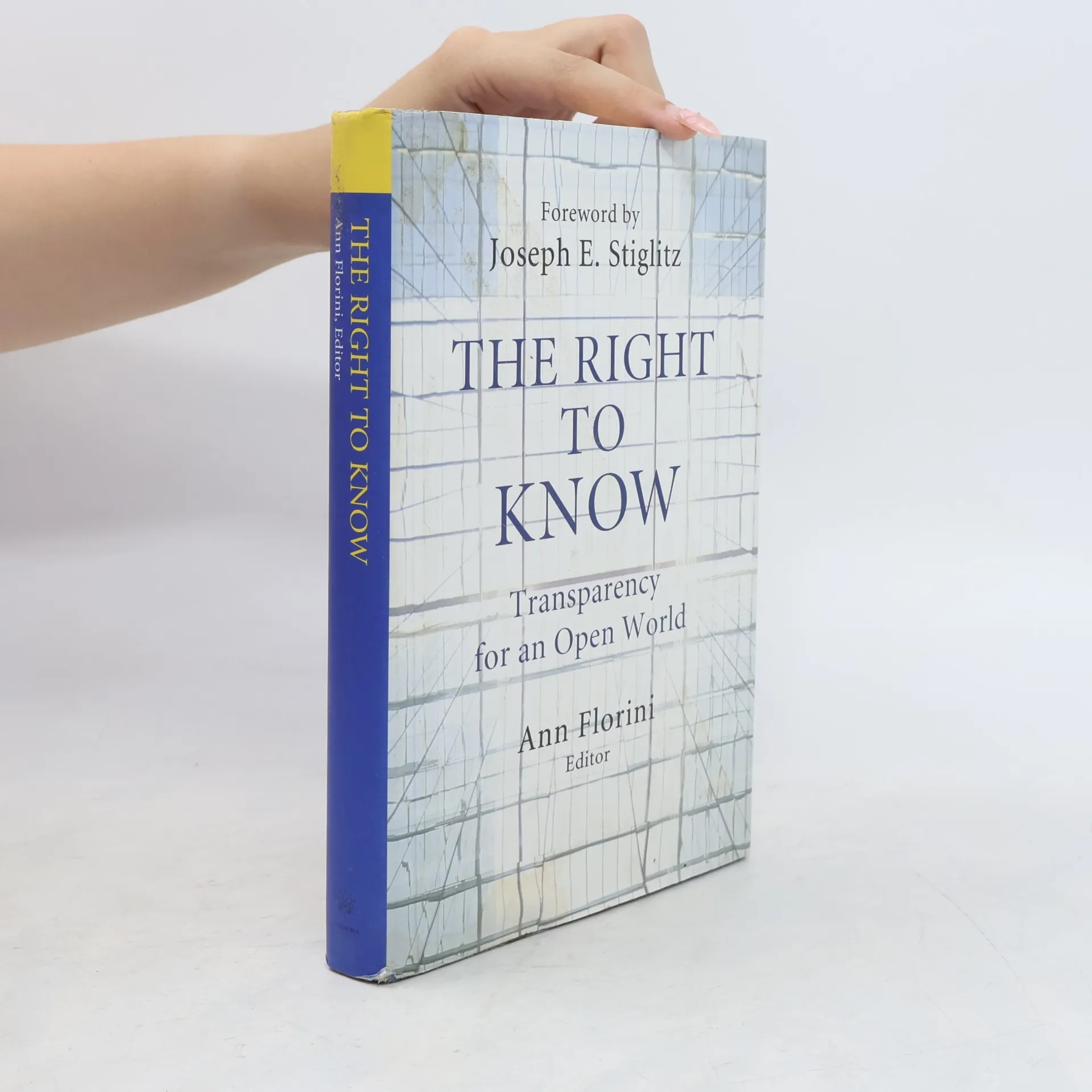
The Right to Know, Ann Florini, Joseph E. Stiglitz
- Język

- Rok wydania
- 2007
- Oprawa
- (twarda)
Metody płatności
Nikt jeszcze nie ocenił.
- Tytuł
- The Right to Know
- Podtytuł
- Transparency for an Open World
- Język
- angielski
- Autorzy
- Ann Florini, Joseph E. Stiglitz
- Wydawca
- Columbia University Press
- Rok wydania
- 2007
- Oprawa
- twarda
- Liczba stron
- 376
- ISBN10
- 0231141580
- ISBN13
- 9780231141581
- Seria
- Tagi
- Opis
- This annotation presents a compelling examination of the critical issue of information disclosure by governments and powerful organizations. It highlights the dangers of excessive secrecy, which can erode democracy, foster corruption, and hinder effective public policymaking. However, it also acknowledges the necessity of maintaining confidentiality around military strategies, personal data, and trade secrets to protect the public interest. In recent years, there has been a global push for transparency, with countries like India and South Africa implementing groundbreaking freedom of information laws. China is also moving toward greater openness, inspired by successful initiatives in cities like Shanghai. Across various continents, nations are striving to dismantle longstanding secrecy and create effective disclosure policies, with over seventy countries currently developing or enhancing their disclosure frameworks. Despite this progress, many of the nearly 200 countries worldwide lack coherent disclosure laws, and enforcing existing regulations can be challenging. There is also no consensus on disclosure standards for the increasingly influential private sector. As the demand for transparency grows, governments and corporations must navigate the complexities of public scrutiny. This work distills valuable lessons from diverse national experiences, analyzing transparency's effects on governance, business regulation, enviro