

Parametry
- 180 stron
- 7 godzin czytania
Więcej o książce
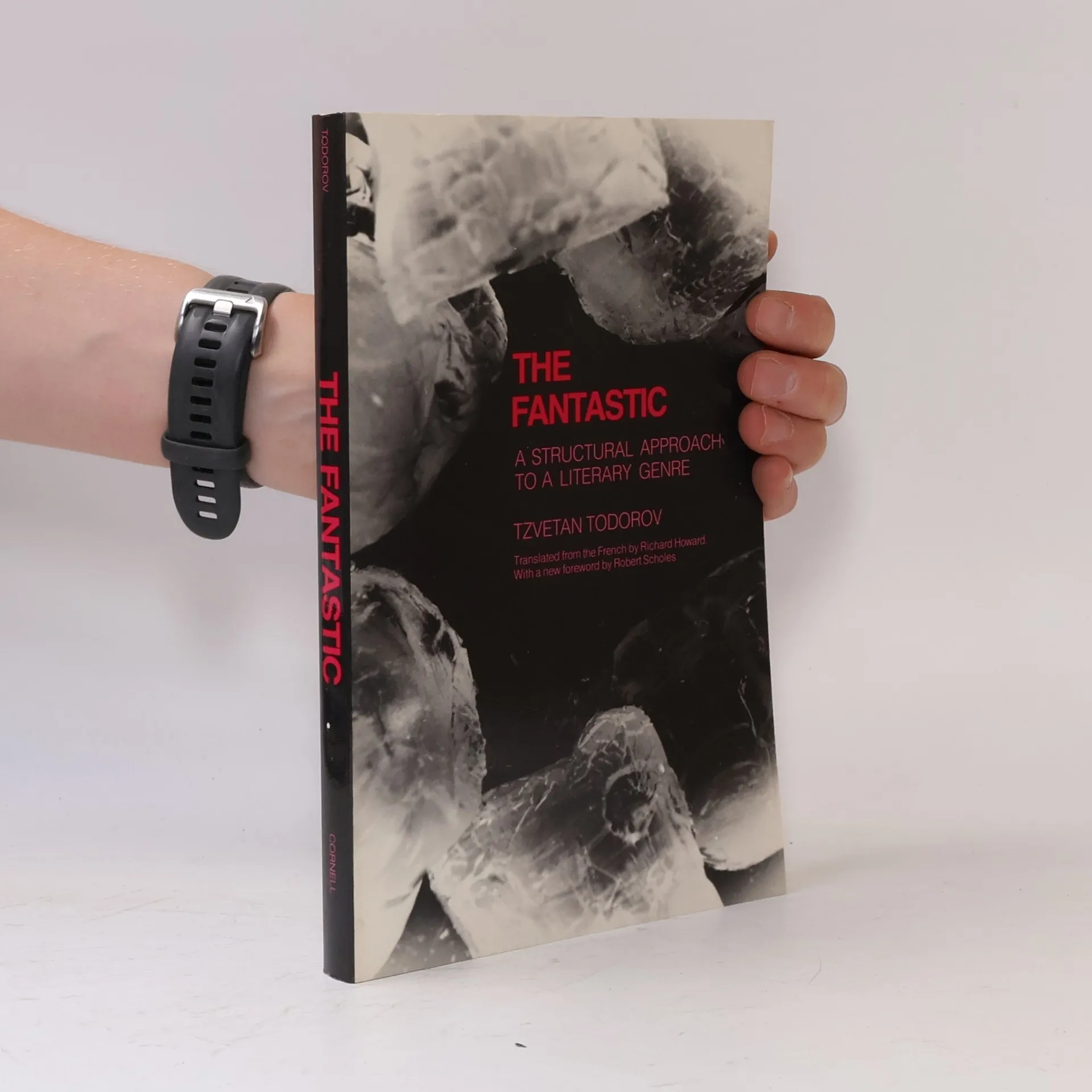
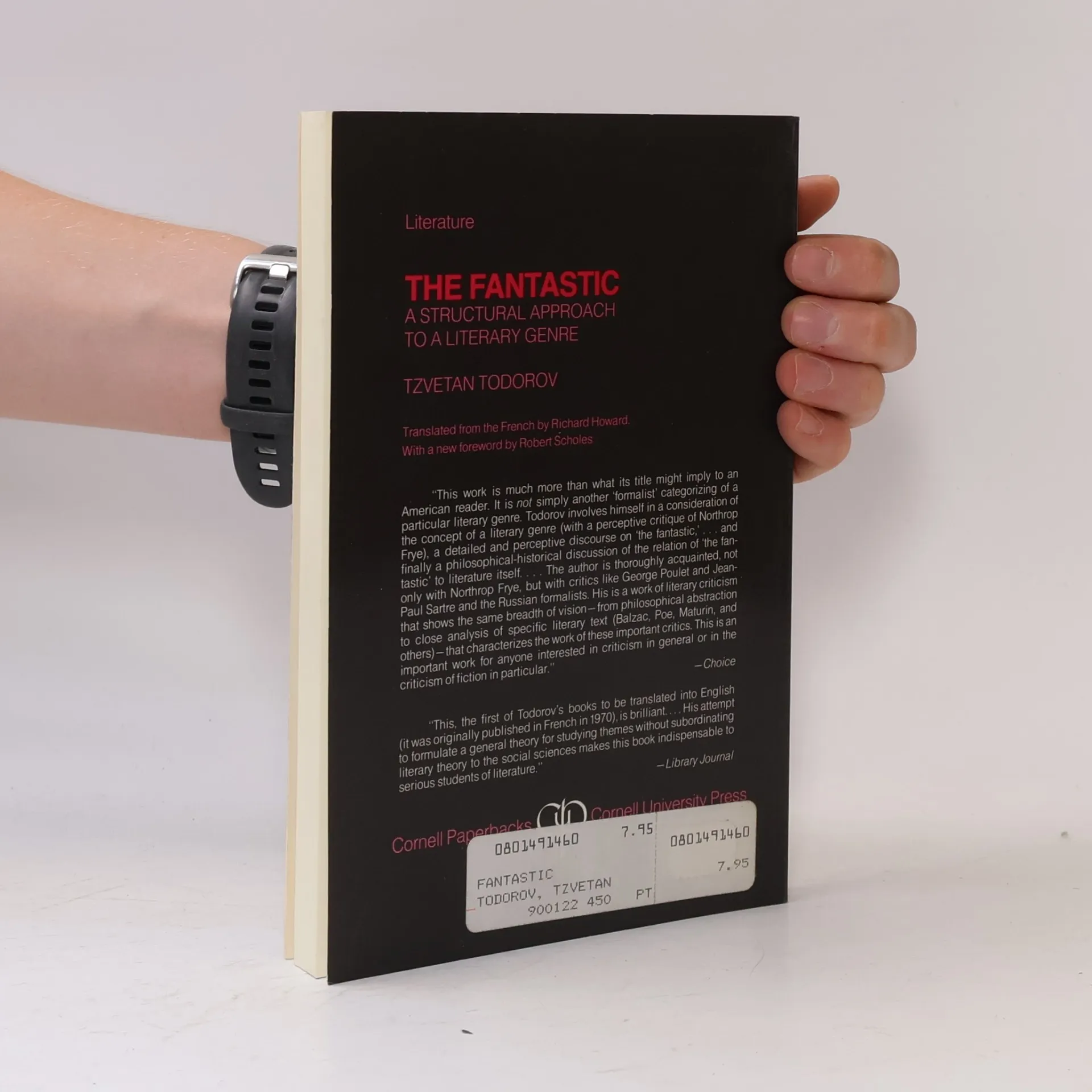
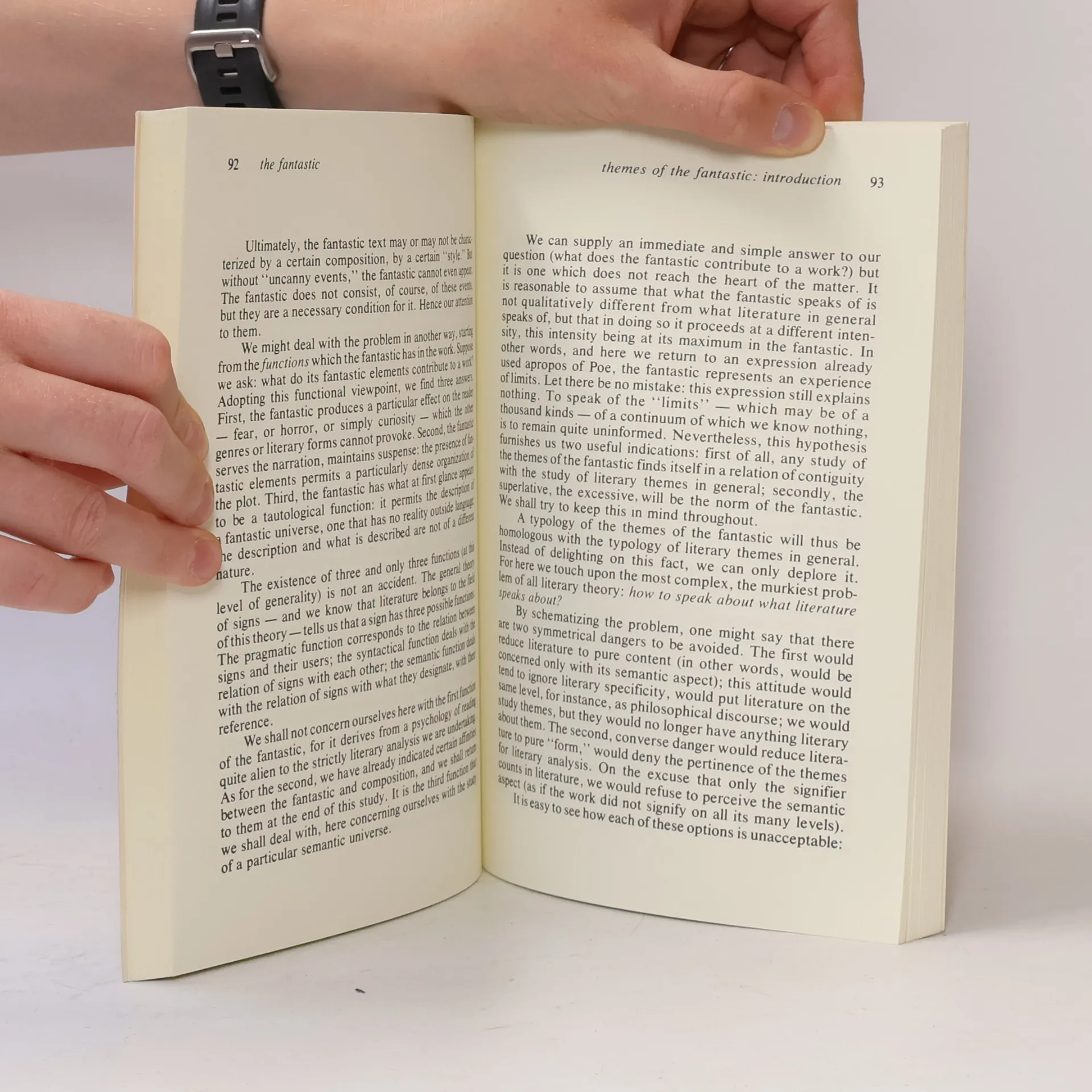
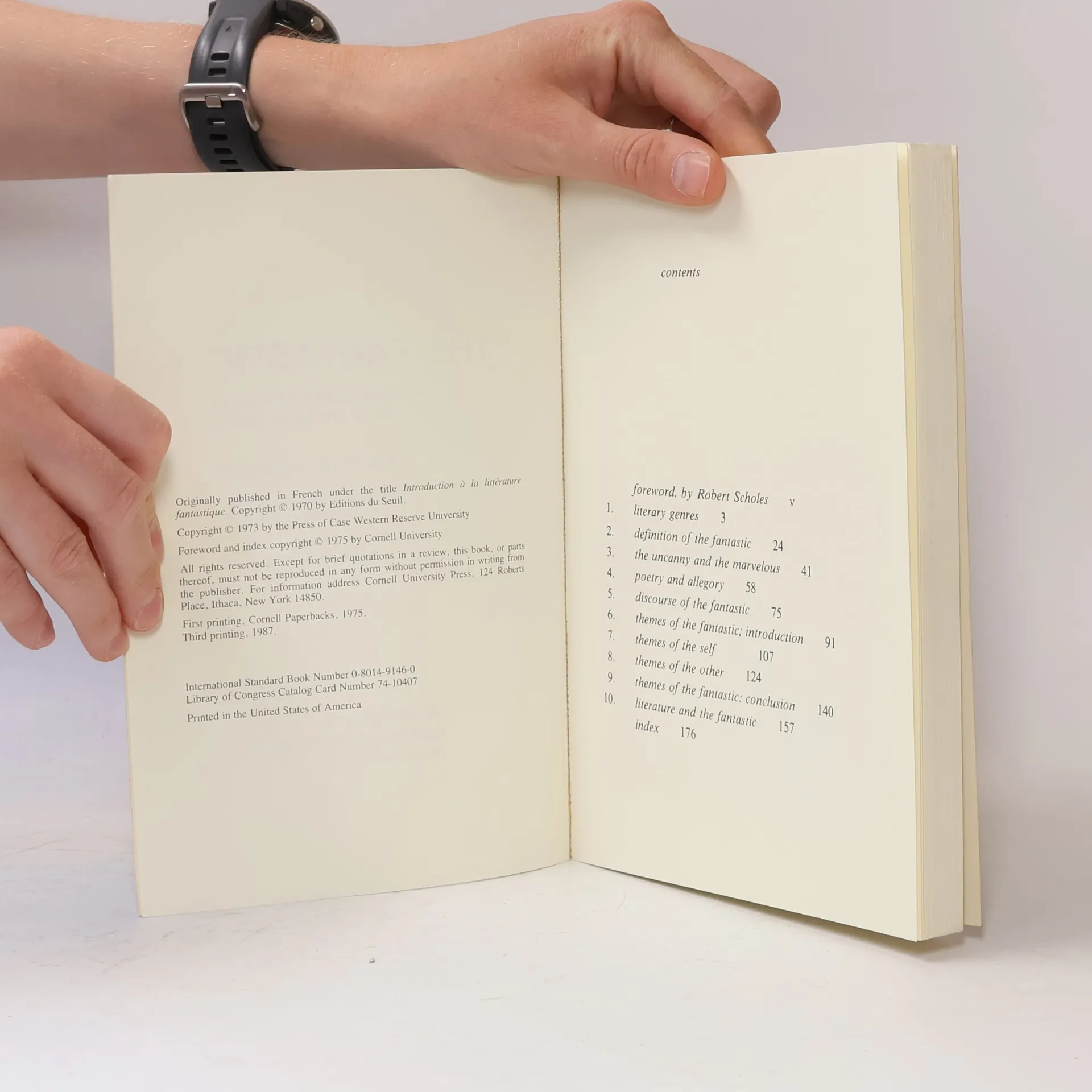
In The Fantastic, Tzvetan Todorov seeks to examine both generic theory and a particular genre, moving back and forth between a poetics of the fantastic itself and a metapoetics or theory of theorizing, even as he suggest that one must, as a critic, move back and forth between theory and history, between idea and fact. His work on the fantastic is indeed about a historical phenomenon that we recognize, about specific works that we may read, but it is also about the use and abuse of generic theory.As an essay in fictional poetics, The Fantastic is consciously structuralist in its approach to the generic subject. Todorov seeks linguistic bases for the structural features he notes in a variety of fantastic texts, including Potocki's The Sargasso Manuscript, Nerval's Aur lia, Balzac's The Magic Skin, the Arabian Nights, Cazotte's Le Diable Amoureux, Kafka's The Metamorphosis, and tales by E. T. A. Hoffman, Charles Perrault, Guy de Maupassant, Nicolai Gogol, and Edgar A. Poe.


Zakup książki
The Fantastic, Tzvetan Todorov, Richard Howard, Robert Scholes
- Język

- Rok wydania
- 1987
- Oprawa
- (miękka),
- Stan książki
- Dobry
- Cena
- 28,41 zł
Metody płatności
Brakuje nam tutaj Twojej recenzji.
- Tytuł
- The Fantastic
- Język
- angielski
- Autorzy
- Tzvetan Todorov, Richard Howard, Robert Scholes
- Wydawca
- Cornell University Press
- Rok wydania
- 1987
- Oprawa
- miękka
- Liczba stron
- 180
- ISBN10
- 0801491460
- ISBN13
- 9780801491467
- Seria
- Tagi
- Tematyka filozoficzna, Francja, XX wiek, Krytyka literacka, Pisanie, Teorie naukowe, Genealogia, Fantastyczne opowiadania, Teoria gatunków literackich
- Pierwsze wydanie
- 1970
- Oryginalna nazwa
- Introduction a la littérature fantastique
- Ocena
- 3,9 z 5
- Opis
- In The Fantastic, Tzvetan Todorov seeks to examine both generic theory and a particular genre, moving back and forth between a poetics of the fantastic itself and a metapoetics or theory of theorizing, even as he suggest that one must, as a critic, move back and forth between theory and history, between idea and fact. His work on the fantastic is indeed about a historical phenomenon that we recognize, about specific works that we may read, but it is also about the use and abuse of generic theory.As an essay in fictional poetics, The Fantastic is consciously structuralist in its approach to the generic subject. Todorov seeks linguistic bases for the structural features he notes in a variety of fantastic texts, including Potocki's The Sargasso Manuscript, Nerval's Aur lia, Balzac's The Magic Skin, the Arabian Nights, Cazotte's Le Diable Amoureux, Kafka's The Metamorphosis, and tales by E. T. A. Hoffman, Charles Perrault, Guy de Maupassant, Nicolai Gogol, and Edgar A. Poe.