

Więcej o książce
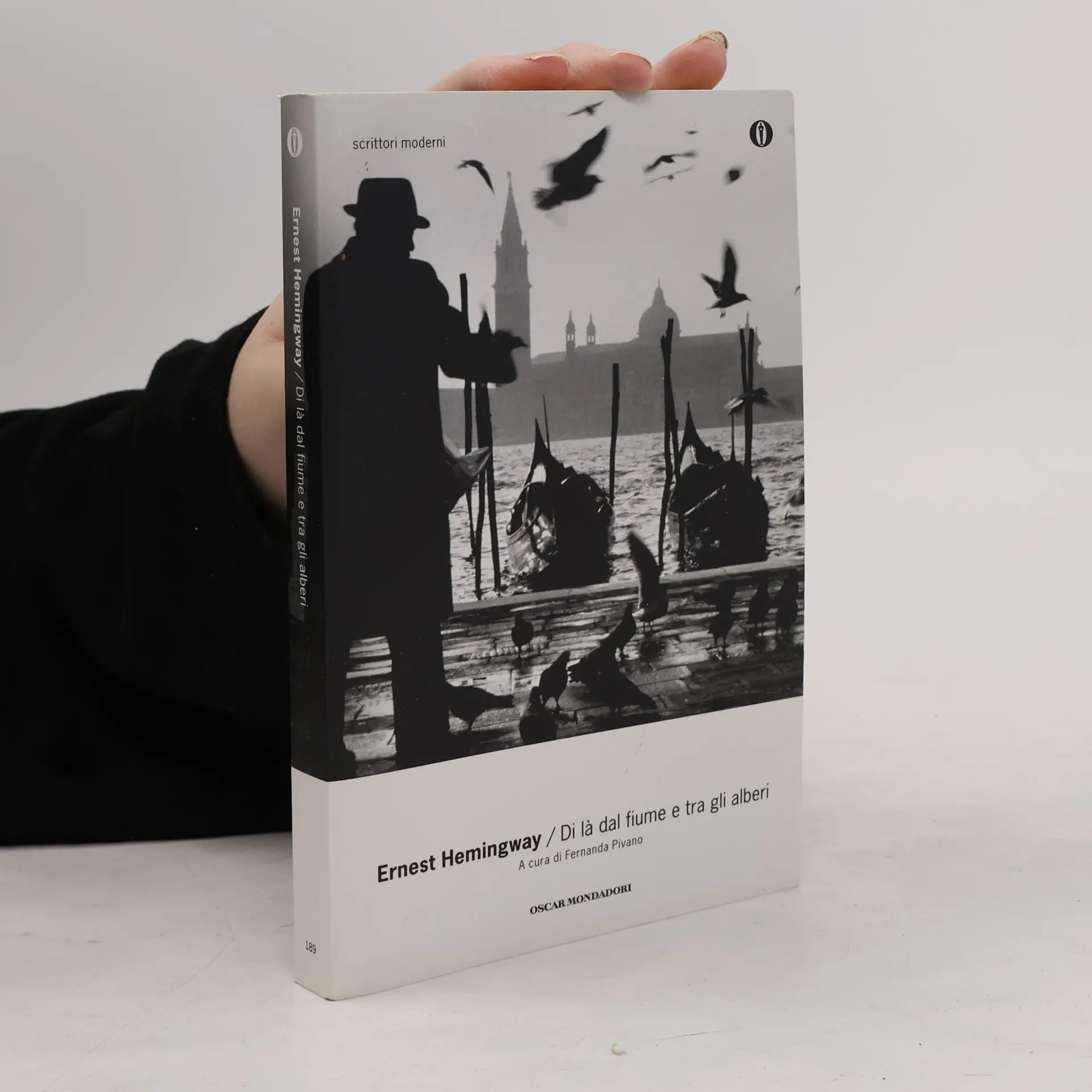
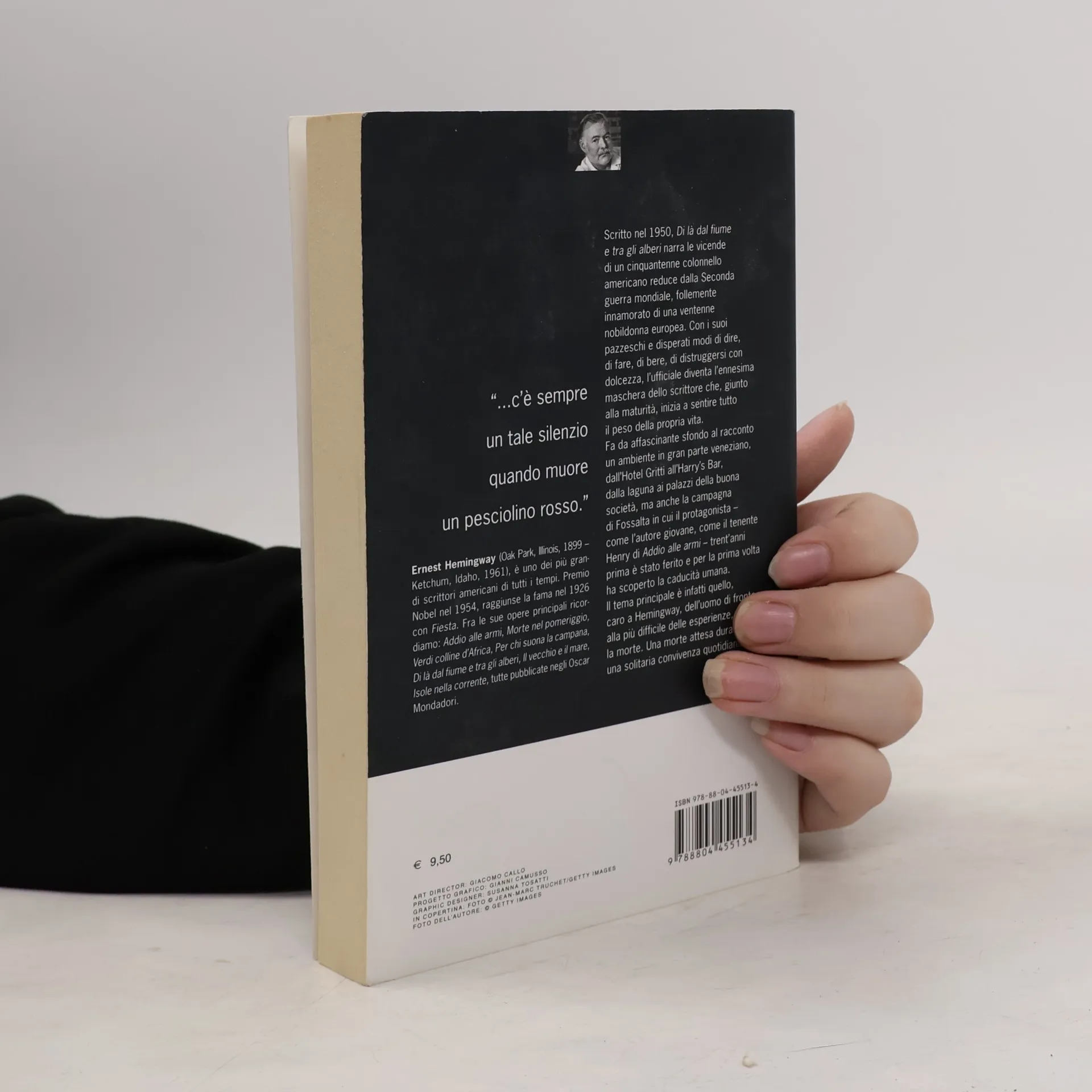
In the fall of 1948, Ernest Hemingway made his first extended visit to Italy in thirty years. His reacquaintance with Venice, a city he loved, provided the inspiration for "Across the River and into the Trees, " the story of Richard Cantwell, a war-ravaged American colonel stationed in Italy at the close of the Second World War, and his love for a young Italian countess. A poignant, bittersweet homage to love that overpowers reason, to the resilience of the human spirit, and to the worldweary beauty and majesty of Venice, "Across the River and into the Trees" stands as Hemingway's statement of defiance in response to the great dehumanizing atrocities of the Second World War. Hemingway's last full-length novel published in his lifetime, it moved John O'Hara in "The New York Times Book Review" to call him "the most important author since Shakespeare."


Zakup książki
Oscar scrittori moderni - 189: Di là dal fiume e tra gli alberi, Ernest Hemingway, Fernanda Pivana
- Język

- Rok wydania
- 1998
- Oprawa
- (miękka),
- Stan książki
- Bardzo dobry
- Cena
- 53,31 zł
Metody płatności
Brakuje nam tutaj Twojej recenzji.
- Tytuł
- Oscar scrittori moderni - 189: Di là dal fiume e tra gli alberi
- Język
- włoski
- Autorzy
- Ernest Hemingway, Fernanda Pivana
- Wydawca
- Mondadori
- Rok wydania
- 1998
- Oprawa
- miękka
- Liczba stron
- 336
- ISBN10
- 8804455136
- ISBN13
- 9788804455134
- Seria
- Tagi
- Tematy historyczne, Miłość, Fikcja wojenna, Wojny, II Wojna Światowa, Literatura amerykańska, Śmierć, Południowa Europa, Włochy, Ameryka, I Wojna Światowa, Nagroda Nobla, Wenecja
- Ocena
- 3,35 z 5
- Opis
- In the fall of 1948, Ernest Hemingway made his first extended visit to Italy in thirty years. His reacquaintance with Venice, a city he loved, provided the inspiration for "Across the River and into the Trees, " the story of Richard Cantwell, a war-ravaged American colonel stationed in Italy at the close of the Second World War, and his love for a young Italian countess. A poignant, bittersweet homage to love that overpowers reason, to the resilience of the human spirit, and to the worldweary beauty and majesty of Venice, "Across the River and into the Trees" stands as Hemingway's statement of defiance in response to the great dehumanizing atrocities of the Second World War. Hemingway's last full-length novel published in his lifetime, it moved John O'Hara in "The New York Times Book Review" to call him "the most important author since Shakespeare."