


Parametry
- 216 stron
- 8 godzin czytania
Więcej o książce
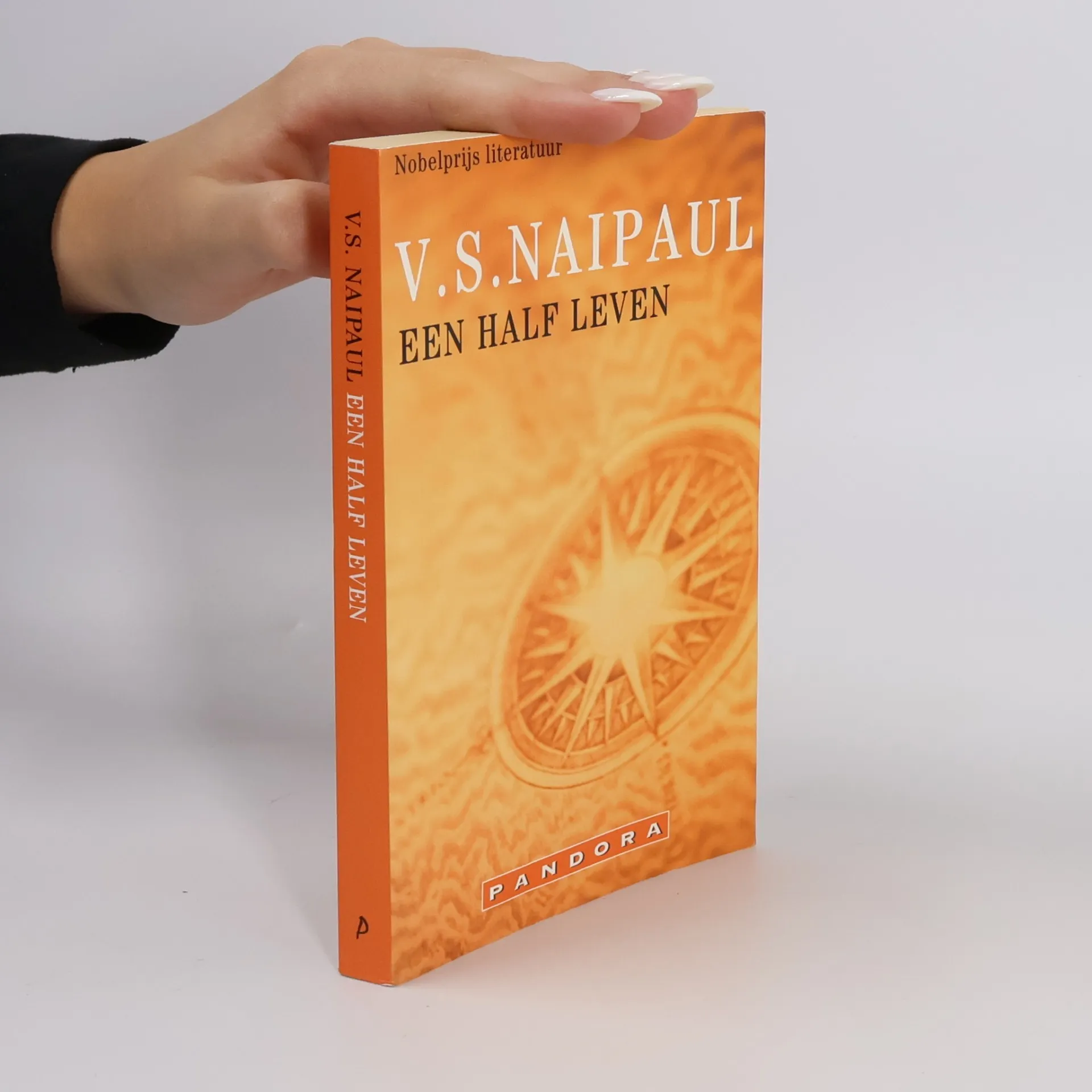
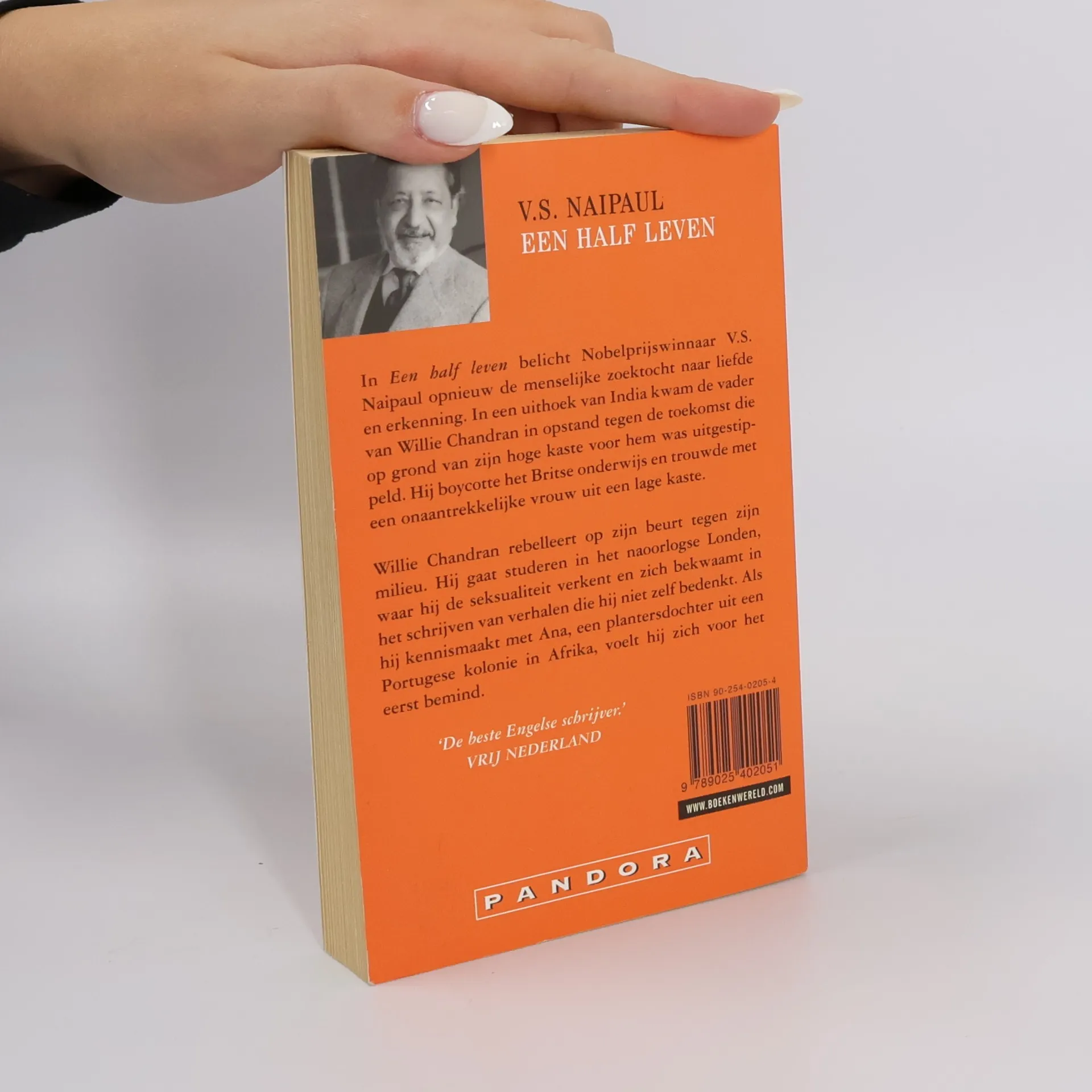
Half a Life finds V.S. Naipaul blending autobiography and fiction to explore the "half lives" of individuals raised in English colonies and educated in metropolitan cities. The protagonist, Willie Somerset Chandran, is named after Somerset Maugham's encounter with Willie's father in the 1930s. Willie travels to England for his education and becomes part of the bohemian-immigrant life of late 1950s London. He soon realizes that his colonial background allows him to write stories for well-meaning white liberals, leading him to understand that he can reshape his identity and past through writing. However, this realization becomes suffocating rather than liberating. He marries a young woman from an African country, who has read his published work, but soon finds himself in another "half life" in colonial Mozambique. Tired of the domestic and sexual monotony of plantation life, he flees to Germany, reflecting on his prolonged hiding. This work exemplifies Naipaul's skillful dissection of the personal consequences of post-war decolonization. However, it may feel like a conflation of earlier works, leading some readers to perceive it as more of a half novel than a complete one.


Zakup książki
Een half leven, V. S. Naipaul, Marianne Verhaart
- Język

- Rok wydania
- 2003
- Oprawa
- (miękka),
- Stan książki
- Dobry
- Cena
- 30,13 zł
Metody płatności
Brakuje nam tutaj Twojej recenzji.
- Tytuł
- Een half leven
- Język
- holenderski
- Autorzy
- V. S. Naipaul, Marianne Verhaart
- Wydawca
- Contact
- Rok wydania
- 2003
- Oprawa
- miękka
- Liczba stron
- 216
- ISBN10
- 9025402054
- ISBN13
- 9789025402051
- Seria
- Willie Chandran
- Tagi
- Niemcy, Anglia, Seksualność & Intymność, Wielka Brytania, Życie, Berlin, Afryka, Londyn, Indie, Ucieczka, Tożsamość, Nagroda Nobla, Okres powojenny, Portugalia, Kolonializm, Wykluczenie
- Ocena
- 3,25 z 5
- Opis
- Half a Life finds V.S. Naipaul blending autobiography and fiction to explore the "half lives" of individuals raised in English colonies and educated in metropolitan cities. The protagonist, Willie Somerset Chandran, is named after Somerset Maugham's encounter with Willie's father in the 1930s. Willie travels to England for his education and becomes part of the bohemian-immigrant life of late 1950s London. He soon realizes that his colonial background allows him to write stories for well-meaning white liberals, leading him to understand that he can reshape his identity and past through writing. However, this realization becomes suffocating rather than liberating. He marries a young woman from an African country, who has read his published work, but soon finds himself in another "half life" in colonial Mozambique. Tired of the domestic and sexual monotony of plantation life, he flees to Germany, reflecting on his prolonged hiding. This work exemplifies Naipaul's skillful dissection of the personal consequences of post-war decolonization. However, it may feel like a conflation of earlier works, leading some readers to perceive it as more of a half novel than a complete one.