



Więcej o książce
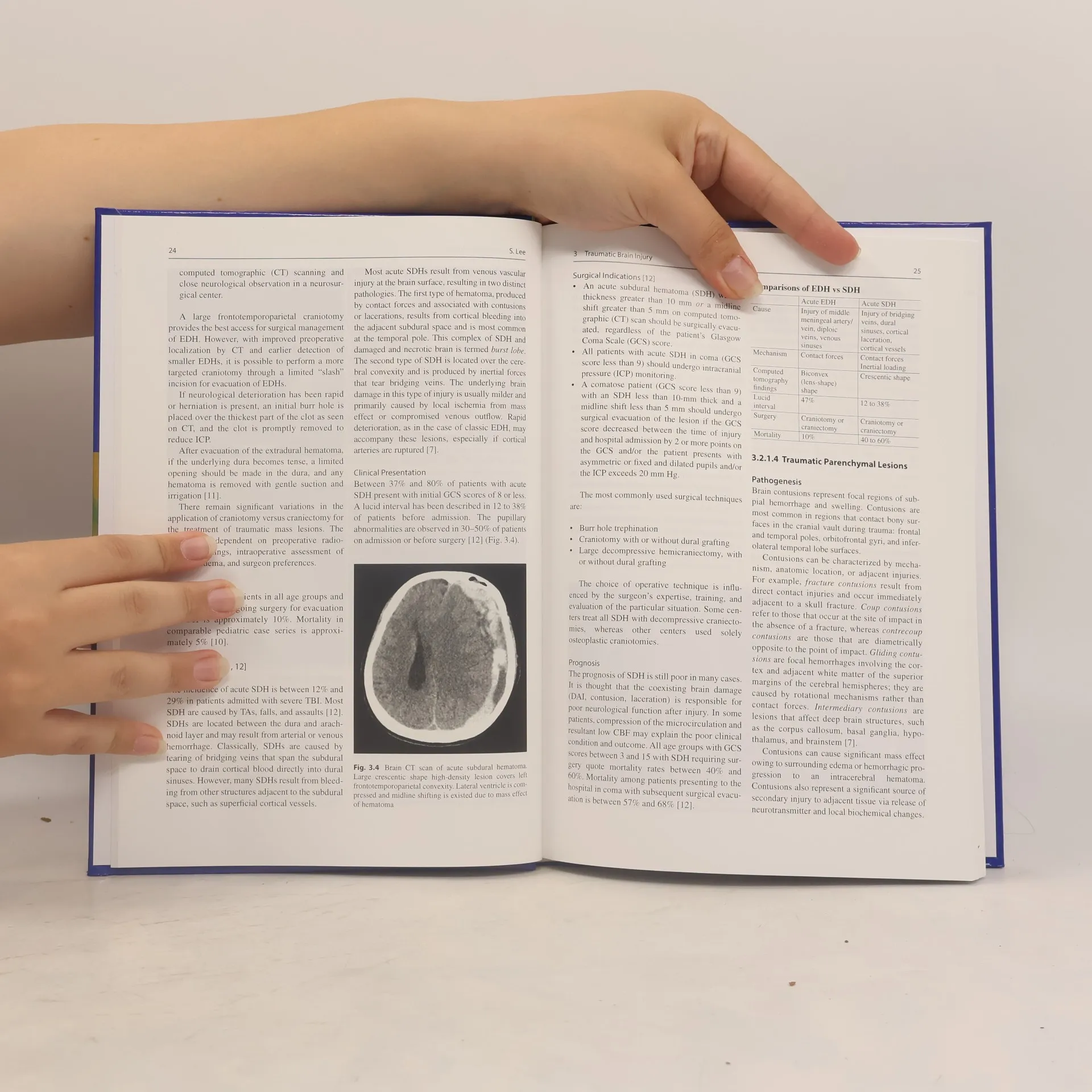
This well-illustrated book describes a practical approach to the primary management of patients who have multiple injuries, or polytrauma, with the aim of providing medical and paramedical personnel with the knowledge required in order to achieve optimal clinical outcomes. The opening chapters explain initial assessment and management and the early diagnosis and treatment of shock. The primary management of injuries to the head, spine, chest, abdomen, musculoskeletal system, and soft tissues is then discussed in detail. The role played by diagnostic and interventional radiology in trauma management is explained, and an individual chapter is devoted to care of the pediatric patient. The book emphasizes the need for systematic assessment of multiple injuries from head to toe and the fact that the mechanisms and severity of injury and the anatomic disruption will differ in each patient. Taking these factors into account, readers will be able to identify and initiate treatment of those injuries likely to cause most harm to the individual patient.
Zakup książki
Primary Management of Polytrauma, Suk-Kyung Hong, Dong Kwan Kim, Sang Ryong Jeon
- Język

- Rok wydania
- 2019
- Oprawa
- (twarda),
- Stan książki
- Dobry
- Cena
- 178,11 zł
Metody płatności
Nikt jeszcze nie ocenił.
- Tytuł
- Primary Management of Polytrauma
- Język
- angielski
- Autorzy
- Suk-Kyung Hong, Dong Kwan Kim, Sang Ryong Jeon
- Wydawca
- Springer
- Rok wydania
- 2019
- Oprawa
- twarda
- Liczba stron
- 190
- ISBN10
- 9811055289
- ISBN13
- 9789811055287
- Seria
- Tagi
- Tematyka medyczna, Chirurgia, Pediatria, Choroby wewnętrzne & Interna, Medycyna ratunkowa, Singapur
- Opis
- This well-illustrated book describes a practical approach to the primary management of patients who have multiple injuries, or polytrauma, with the aim of providing medical and paramedical personnel with the knowledge required in order to achieve optimal clinical outcomes. The opening chapters explain initial assessment and management and the early diagnosis and treatment of shock. The primary management of injuries to the head, spine, chest, abdomen, musculoskeletal system, and soft tissues is then discussed in detail. The role played by diagnostic and interventional radiology in trauma management is explained, and an individual chapter is devoted to care of the pediatric patient. The book emphasizes the need for systematic assessment of multiple injuries from head to toe and the fact that the mechanisms and severity of injury and the anatomic disruption will differ in each patient. Taking these factors into account, readers will be able to identify and initiate treatment of those injuries likely to cause most harm to the individual patient.